
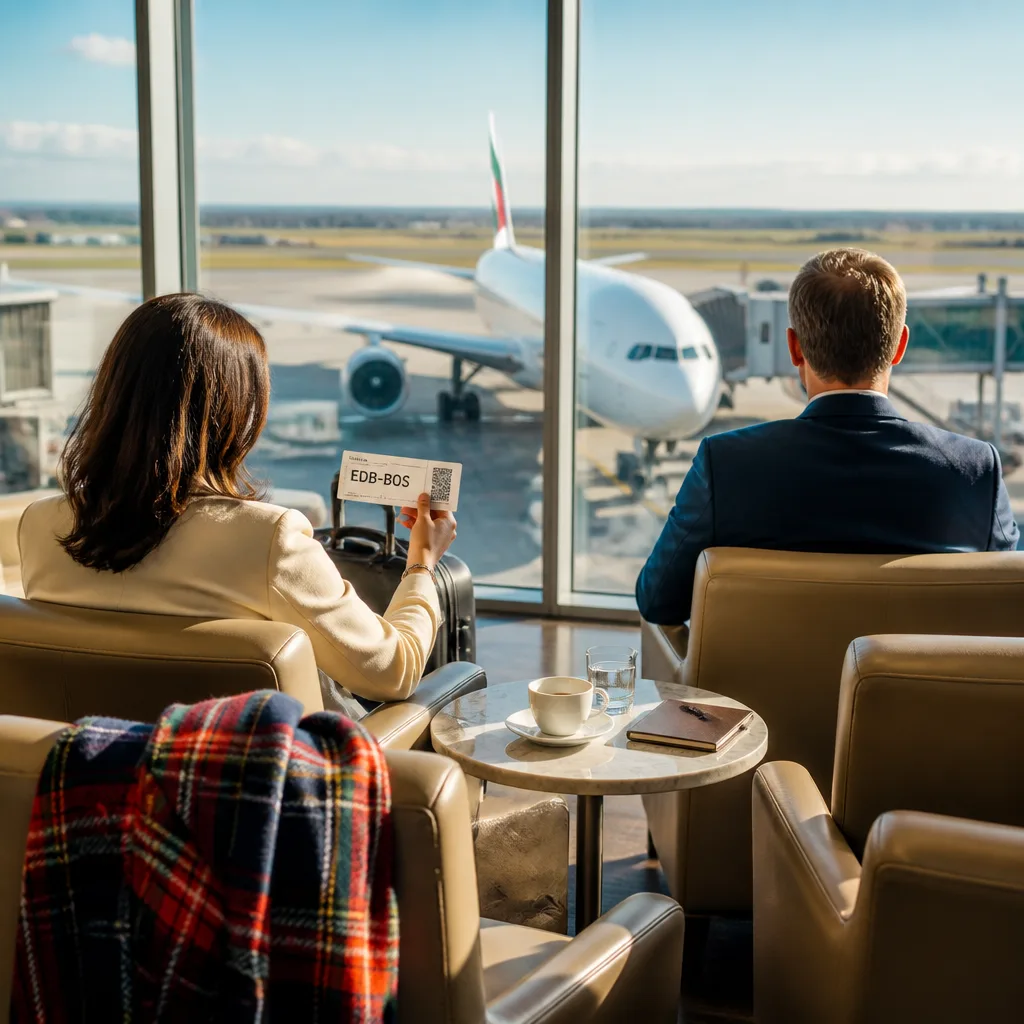
First Minister John Swinney has defended spending in excess of £45,000 on business-class flights for himself and two senior aides to attend Scotland’s World Cup matches and follow-up trade engagements in the United States, prompting scrutiny over adherence to government travel rules and value for money.
What was spent and why it matters
The Scottish government’s published travel figures show total expenditure of £98,442 on trips for Mr Swinney, Sports Minister Maree Todd and their accompanying officials. That package included flights, hotels and miscellaneous expenses.
Individual ticket costs cited by the government include:
- £17,893 each for flights for the First Minister and his private secretary;
- £9,864 for a business-class ticket for a special adviser;
- £5,485 for flights for Ms Todd and four officials to Miami;
- around £11,800 on economy-class tickets for other officials;
- more than £10,000 on car hire linked to the First Minister’s visit.
| Item | Amount |
|---|---|
| Total reported spend (flights, hotels, expenses) | £98,442 |
| Business-class tickets (Swinney and private secretary) | £17,893 each |
| Business-class ticket (special adviser) | £9,864 |
Rules, defence and timing
Scotland’s travel policy states business-class travel is generally permissible only for flights longer than 10 hours unless an exception is agreed. Direct flights from Edinburgh to Boston typically take about seven hours, well under that 10-hour threshold.
Mr Swinney told BBC Scotland News that when flights must be booked under time pressure, costs can rise and the government attempted to "minimise" expenditure. Justice Secretary Neil Gray argued on BBC Radio Scotland that ministers on busy overseas schedules need to "arrive fresh".
"Obviously, when flights have got to be booked, when there's intense pressure on the time involved, then the costs are likely to be higher," Swinney said. "We tried to minimise those costs."
Context and implications for public finances
While the sums are relatively modest compared with central government budgets, spending decisions involving public officials carry reputational and fiscal implications. In a climate where households are frequently sensitive to transport, energy and living-cost pressures, high-profile use of public funds on travel can feed perceptions of poor stewardship.
For ordinary households, transport and travel decisions are a frequent point of cost-cutting: when a government spends thousands on single international tickets, voters and taxpayers often ask whether the same objectives could have been achieved at lower cost — for example by using economy fares, different routing or by separating attendance at sporting fixtures from ministerial business travel.
From a business-desk perspective, public-sector travel also touches procurement and supplier markets. Large bookings can benefit airlines and car-hire firms, but they also set expectations about how public bodies should consolidate travel needs and negotiate rates to protect the public purse.
Questions for oversight
- Were exemptions to the 10-hour business-class rule formally approved and documented?
- Could alternative itineraries have reduced cost without compromising ministerial schedules?
- Will the government review travel governance to ensure consistent application of value-for-money standards?
The Scottish government’s published figures provide line items but leave room for further clarification on approvals and cost comparisons. Such detail will be relevant for parliamentary scrutiny and for public confidence in how travel policy is applied to ministerial activity abroad.
As always, analysis of public spending should consider not just headline totals but how choices affect household perceptions of fairness and the efficient use of taxpayer money. This article does not offer financial advice.













