Scientists have for the first time reported that higher plants can stably produce an animal muscle protein. An international research team reported in the journal Frontiers in Plant Science that they used a particle‑delivery system to introduce pig myoglobin genes into the chloroplasts of lettuce and tobacco, and the modified plants produced measurable amounts of the protein.
How the modification was done
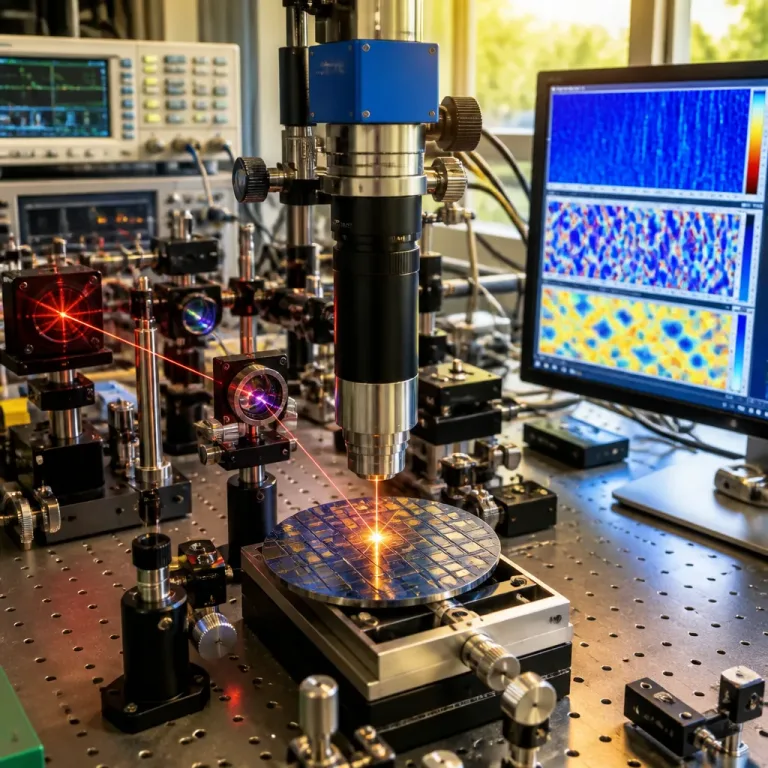
The researchers used a biolistic particle delivery system, commonly called a “gene gun”, which fires microscopic metal particles coated with DNA into target cells. The targets were the plants’ chloroplasts — the organelles responsible for photosynthesis. The team chose chloroplasts because, as the study’s lead author Alexia Groff, a plant biotechnology researcher at Imperial College London, explained to ScienceAlert, they have a "bacterial ancestry and a high number of copies per cell", making them more capable than the cell nucleus of producing large amounts of protein.
"Our study demonstrates, for the first time, that higher plants can stably produce myoglobin, one of the key proteins responsible for many of meat’s desirable properties," Groff said.
The modified seedlings incorporated the pig DNA into the chloroplast genome. Importantly, when those plants matured and produced seed, the offspring retained the transferred genes — indicating stable inheritance rather than a transient presence of the introduced DNA.
Yields and comparison with meat
Measured production of myoglobin in the engineered plants was modest but detectable. The study reports yields of about 800 mg/kg dry weight for lettuce and 810 mg/kg dry weight for tobacco. The authors noted these amounts are lower than the concentration found in beef.
| Plant | Myoglobin (mg per kg dry weight) |
|---|---|
| Lettuce | 800 |
| Tobacco | 810 |
Why this matters and what it does not yet mean
The researchers position the work as a potential route towards food-production platforms that might reduce reliance on environmentally costly meat. Myoglobin contributes to several properties of meat, and producing it in plants could be one element of developing plant-based foods that better mimic those properties.
- Technical advance: Stable insertion into the chloroplast genome with inheritance by seed-grown offspring.
- Measured output: Hundreds of milligrams of myoglobin per kilogram of plant dry mass — detectable but below typical levels in meat.
- Potential aim: Inform future strategies to produce meat-like qualities in plant-based foods and explore more sustainable protein sources.
These results do not yet equate to a ready-made plant product that replaces meat. The concentrations reported are lower than in beef, and the study focused on proof of concept in laboratory-grown lettuce and tobacco rather than commercial food crops or processed food products.
Observers will want to follow subsequent work on several fronts before drawing policy or consumer conclusions: scale of production in edible crops, food-safety assessments, regulatory pathways for genetically modified foods, sensory properties of any food product derived from such crops, and environmental lifecycle comparisons. The study itself frames the finding as a scientific demonstration that could inform longer-term strategies to lower the environmental footprint of protein production.
For South Africa, where concerns about food security and sustainable agriculture are prominent, the research adds to an international discussion about alternative protein sources. Any local application would need to navigate regulatory, biosafety and consumer-acceptance processes before reaching grocery shelves.
The research was reported in Frontiers in Plant Science, and the lead author Alexia Groff commented on the chloroplast choice and on the broader significance when speaking with ScienceAlert.