The education sector can meet some of its urgent infrastructure and environmental challenges by reusing existing buildings rather than relying solely on new construction, according to a design specialist writing on contemporary school provision.
Faster delivery, lower carbon and adaptable spaces
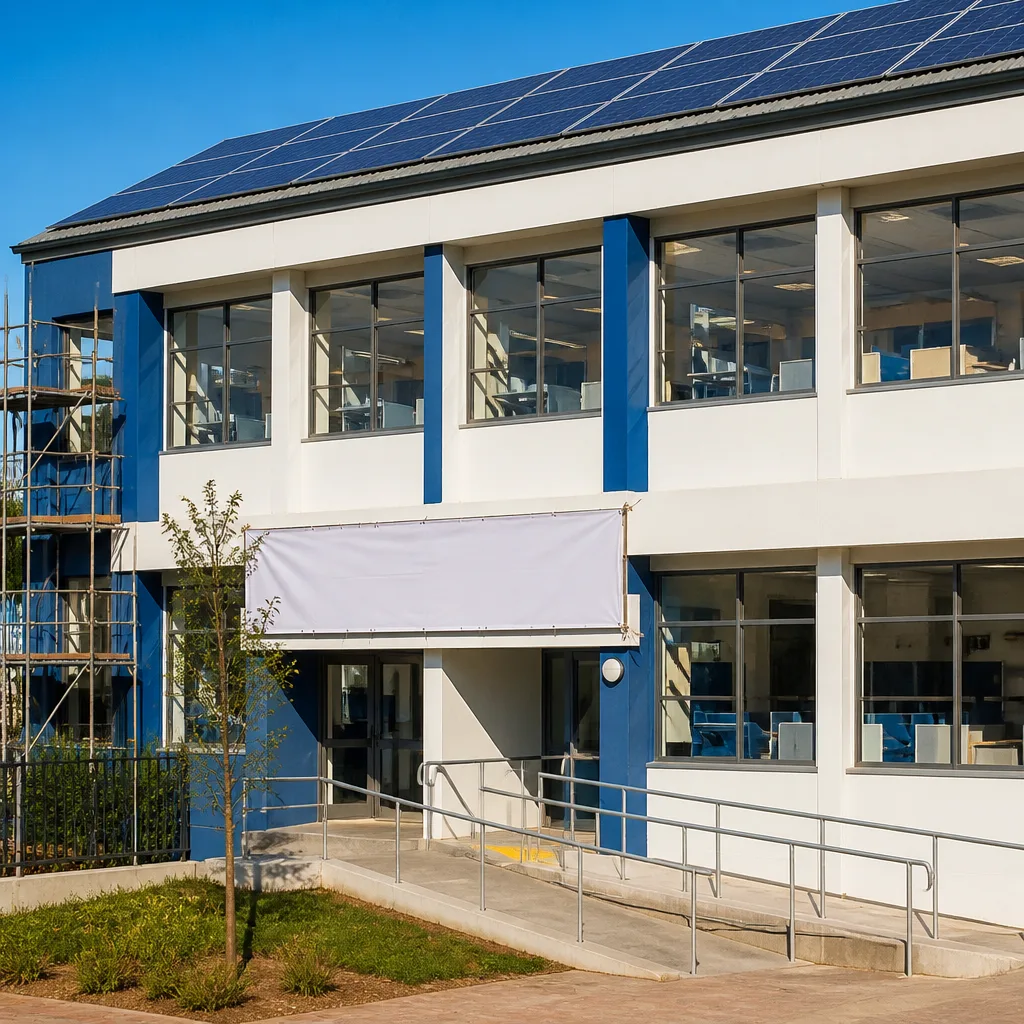
Rethinking what a school looks like and considering underused properties — from former offices and care homes to civic buildings and historic sites — offers a potentially cost‑effective and faster route into operation. The source notes such sites could be converted and open within two years of purchase, presenting a pragmatic alternative where long waits for new builds leave learners in ageing facilities.
Alongside speed and cost, the argument emphasises environmental performance. High standards of indoor air quality and thermal comfort are cited as essential not only for learning outcomes but also for staff retention and pupil wellbeing. Reuse can reduce the climate impact of construction by avoiding the embodied carbon associated with new builds.
Changing demand and opportunities
The piece highlights two structural shifts reshaping demand on school spaces: a projection of falling pupil numbers over the next decade and an increase in Education, Health and Care Plans (EHCPs). Together these trends create a more competitive landscape for placing schools while increasing pressure on older sites that were not designed for contemporary needs.
Within that context, adapting the local building stock is offered as a realistic strategy for trusts, school operators and authorities. The range of candidate buildings listed includes:
- former office blocks;
- care homes;
- community and civic buildings;
- historic properties no longer in use.
The author suggests that these assets, if suitably adapted, can deliver tailored learning environments that support modern pedagogy and inclusivity.
Practical considerations for South African education planners
While the original piece focuses on the broader idea rather than a specific country, the core points are directly applicable to South Africa’s provincial education departments and school governing bodies: reuse can be faster to implement than a greenfield new-build, may be cheaper overall, and can improve environmental and health conditions inside classrooms.
Key practical considerations include assessing structural suitability, ensuring compliance with safety and accessibility standards, and designing ventilation and thermal systems that meet contemporary expectations for comfort and air quality. The piece also signals that reuse should not be a one-size-fits-all fix but a complementary option to new construction where it fits the site and educational plan.
| Advantage | Claim |
|---|---|
| Speed | Sites can be operational within two years of purchase |
| Cost | Presented as a cost‑effective alternative to new builds |
| Environment | Reduces need for new construction and supports better indoor air quality |
For education stakeholders considering this route, the trade-offs include the potential need for extensive retrofitting and careful planning to ensure spaces meet curricular and inclusion requirements. The author frames reuse as a pragmatic, sustainable option rather than a universal solution.
Published commentary by the director of an education design practice argues that reusing underutilised buildings can broaden the toolkit available to education planners as they respond to shifting pupil numbers, changing needs such as EHCPs, and the imperative to cut carbon emissions from the built environment.