Between 1 April 2025 and 31 March 2026 a coordinated research network has recorded 1,121 marine organisms it considers previously unknown to science, according to a programme report released by Ocean Census. The organisation said the total represents a 54% rise in its annual discovery rate, but stressed that this tally reflects the network’s internal discovery pipeline rather than the number of formally published species names.
What the figure means — and what it does not
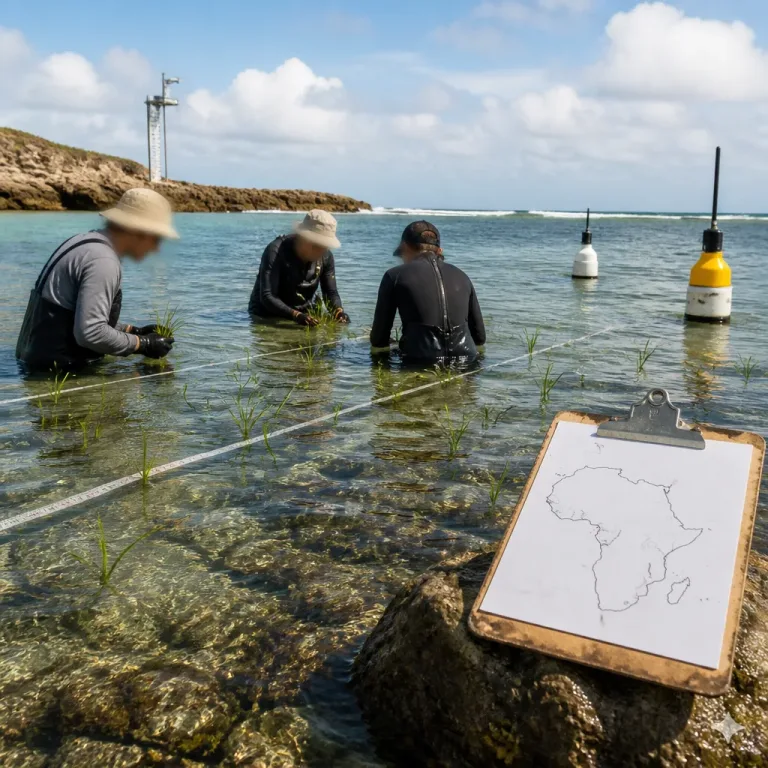
The 1,121 total does not come from a single expedition or a single peer‑reviewed paper. Ocean Census compiled the number from multiple sources: recent field expeditions, specialist taxonomic workshops and work on specimens already held in museum and research collections. The network’s Year 3 impact report describes contributions from 13 expeditions, nine specialist workshops and taxonomic effort applied to legacy material.
The organisation has adopted a documented internal status of “discovered” that can be applied to specimens before the lengthy process of producing formal taxonomic descriptions. In zoological practice, formally naming a species normally requires a published diagnosis, a scientific name, and designated type specimens — steps that were not completed for every entry in the reported total.
Scale and sources of new finds
Ocean Census characterised the work as distributed across a large international network rather than concentrated in a few field operations. The report lists 1,433 scientists at 660 institutions in 85 countries collaborating on the programme. New records came from diverse habitats and depths — from shallow reef environments and sea caves to specimens collected from as deep as 6,575 metres.
Examples highlighted in the report illustrate the variety of discoveries: an unidentified chimaera from the Coral Sea, a brightly coloured ribbon worm from Timor‑Leste, a small striped shrimp recovered from a sea cave near Marseille, and a bristle worm living inside a glass sponge on a Japanese seamount. These cases represent different levels of taxonomic certainty and varying stages in the documentation process.
| Metric | Value |
|---|---|
| Entries reported as "discovered" | 1,121 |
| Increase in annual identification rate | 54% |
| Participating scientists | 1,433 |
| Institutions | 660 |
| Countries represented | 85 |
| Deepest specimen recorded | 6,575 m |
Why many discoveries remain unpublished
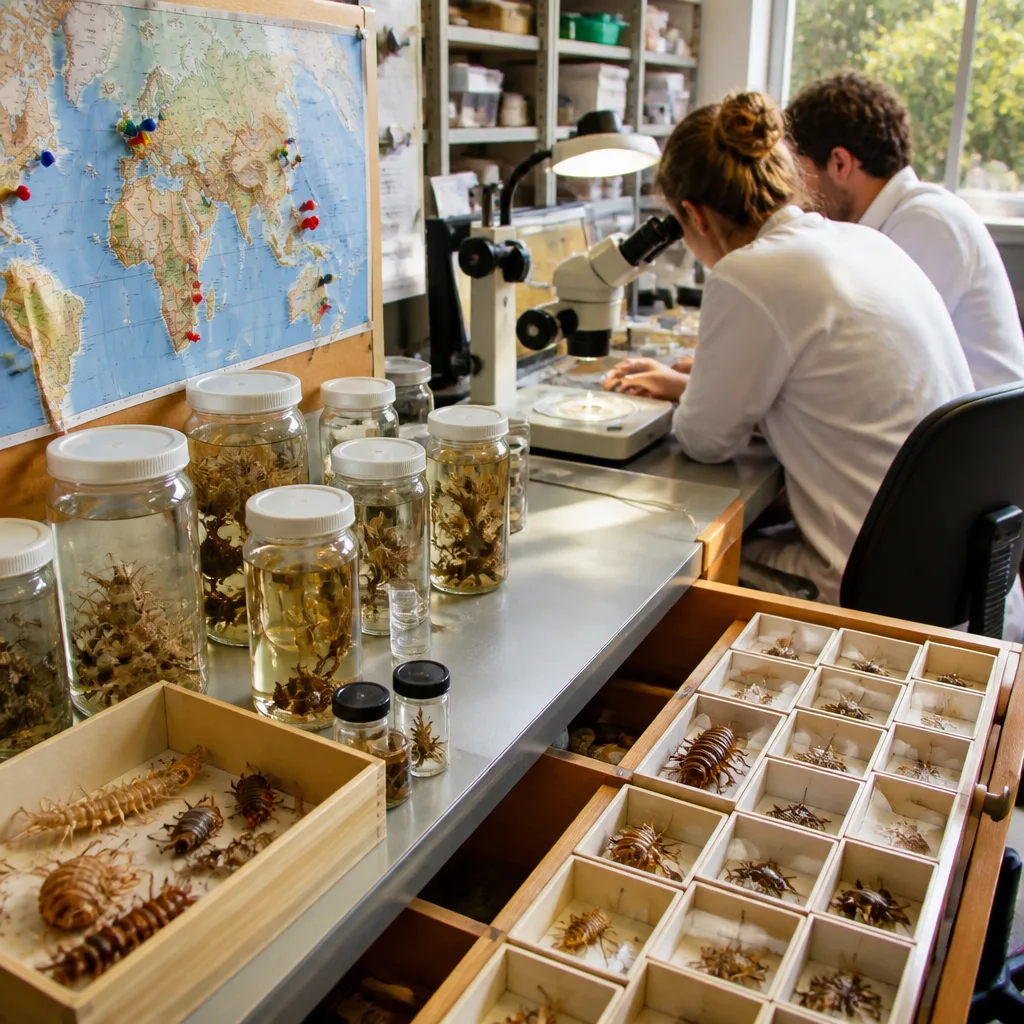
Taxonomy is a methodical science that depends on comparison with known material, access to specialists for particular organism groups and time in laboratories. Ocean Census notes that a substantial portion of the newly recognised diversity came from material already held in collections but awaiting the right expert or resources for analysis. The programme’s Species Discovery Awards were credited with accelerating work on both recent collections and older backlogs; the report says these awards helped bring 728 previously unknown species to light from recent and legacy material.
- Discovery status within the network denotes specimens regarded as likely new to science but not yet formally described.
- Distribution of effort — field expeditions, workshops and collection work — underpinned the increase in identifications.
- Taxonomic bottlenecks remain: published names and formal descriptions will take more time and specialist effort.
Ocean Census emphasised that the newly reported total does not mean the ocean is close to being fully catalogued. The organisation’s leadership warned that researchers are still effectively racing against time, with some estimates cited in the report suggesting that as much as 90% of ocean species might still be undocumented. That gap has consequences for conservation planning, fisheries management and our broader understanding of marine ecosystems.
For South African scientists and policymakers, the report underscores two practical points. First, investment in taxonomic capacity — including training, collection curation and support for experts — speeds the conversion of collected specimens into usable scientific knowledge. Second, existing collections often contain undescribed diversity, so supporting museum and university collections is a cost‑effective route to new discoveries.
As the Ocean Census network continues its work, the distinction between items flagged as "discovered" and species that have completed the formal description process will remain important for those using these data in research and management. The programme report is an interim measure of progress: a useful signal of momentum, but not a substitute for peer‑reviewed taxonomic publication.