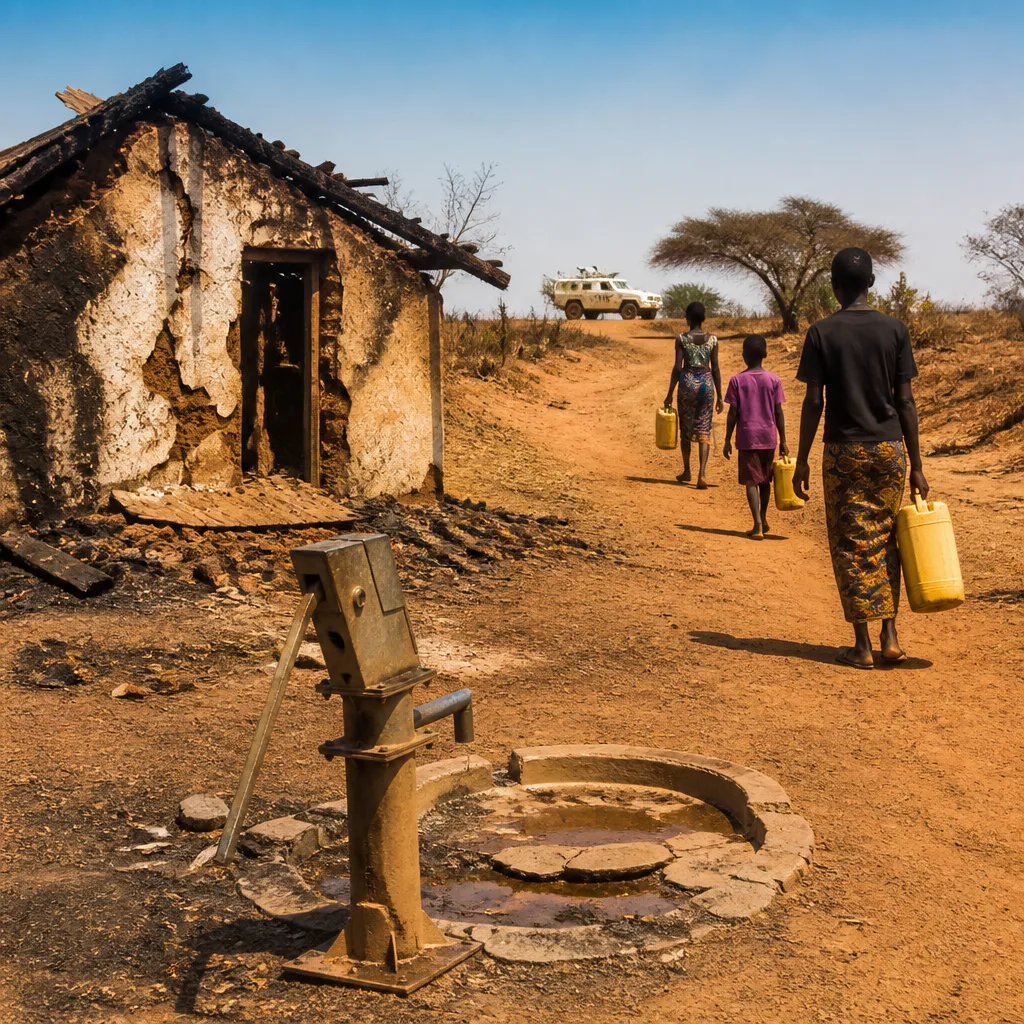
A United Nations peacekeeping patrol has documented severe service gaps and protection concerns in Rii-rangu, a remote community in Yambio County, Western Equatoria State, where insecurity and damaged infrastructure have left families without clean drinking water, functioning schools or accessible healthcare.
Harvests interrupted by armed groups; homes burned
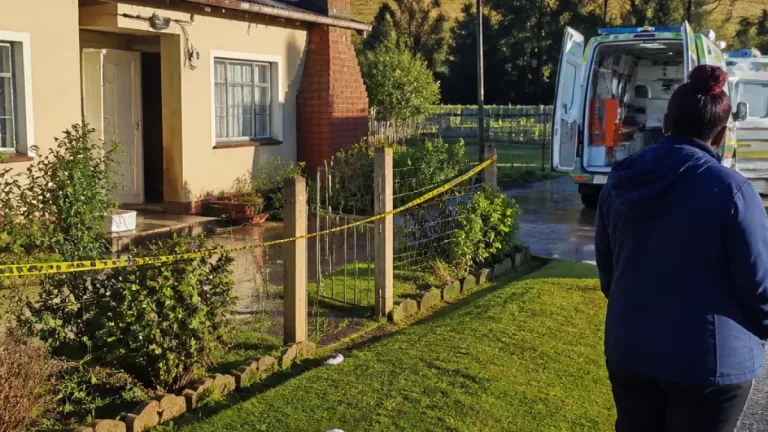
Residents told the UN patrol that armed groups regularly force farming families off their land at harvest time, destroying houses and crops and increasing food insecurity. One resident described how the family was driven from their home and forced to live under a tent after their dwelling was set alight.
“We farm and harvest, but when we are ready to enjoy the fruits of our labour, armed groups come and drive us away,”
The patrol visited the community to assess protection needs, meet local authorities and security personnel, and inspect public facilities that in many cases have been abandoned or damaged.
Damaged school and health centre; maternal health at risk
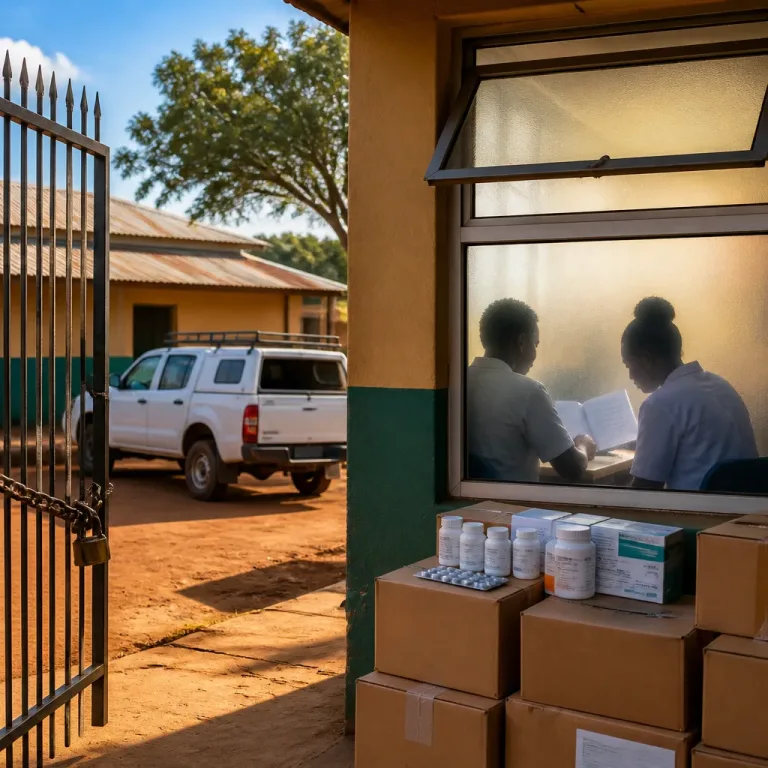
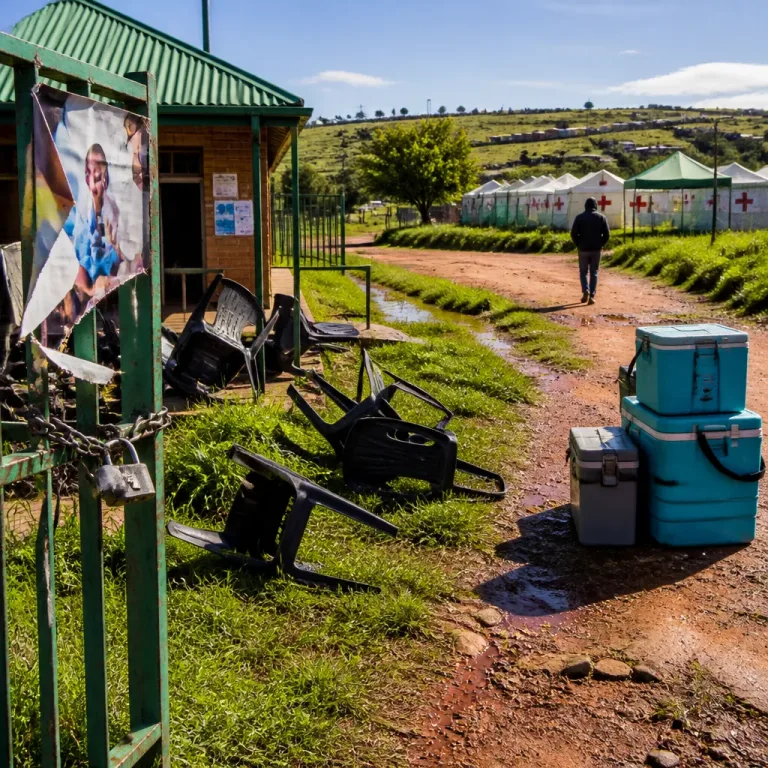
Inside the damaged primary school compound, empty classrooms evidence the disruption to education for children in the area. A damaged health centre and a lack of medical supplies mean that sick residents have limited options for treatment. Mothers reported that pregnant women have nowhere locally to receive antenatal care and that there is no reliable transport to reach the nearest hospital.
“There are no schools, there is no borehole and no medical supplies,”
One mother recounted that the absence of health facilities and transport places pregnancy and childbirth at particular risk in the community. Women and adolescent girls also reported a lack of access to menstrual hygiene supplies, and there are no functioning markets to purchase essentials.
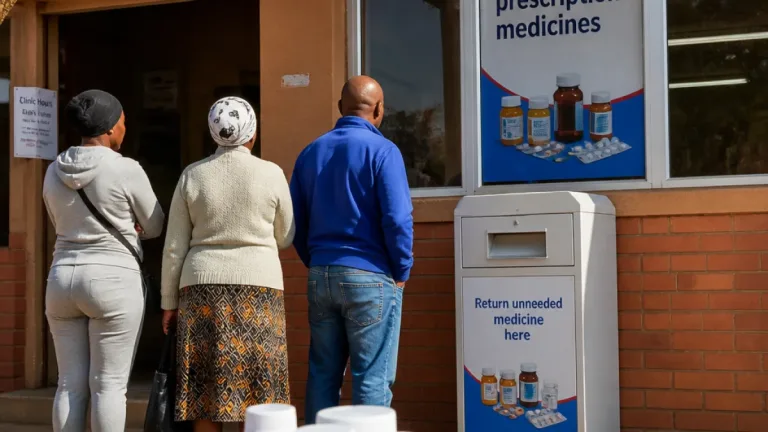
“There are no health facilities or medicines,”
The UN patrol's findings emphasise how the poor road network — narrow routes often damaged by seasonal rains — exacerbates isolation and limits access to humanitarian assistance, markets, education and health services.
Immediate needs and broader implications
The assessment highlights several immediate needs: clean water, medical supplies, functional health and education facilities, safe access to farmland, and dependable transport. The absence of these basic services undermines health and livelihoods and increases the vulnerability of women, children and farming households.
- Water and sanitation: no borehole reported; clean drinking water unavailable.
- Healthcare: damaged health centre, no medicines, no antenatal services locally.
- Education: primary school damaged and classrooms empty.
- Protection and livelihoods: repeated displacement by armed groups; homes burned; restricted access to markets and farms.
| Needs | Consequences of absence |
|---|---|
| Clean water | Increased illness, poor hygiene, menstrual hygiene insecurity |
| Functional health centre | Unsafe pregnancies, untreated illnesses, reliance on distant hospitals |
| Accessible roads | Limited humanitarian access, disrupted markets and schooling |
The patrol met with residents, local representatives and security personnel to document these priorities and to evaluate protection risks. The condition of public infrastructure and the security environment together impede sustained delivery of services and humanitarian assistance.
This assessment provides a basis for humanitarian actors and authorities to plan targeted interventions. Restoring safe access to farmland and rebuilding vital services would reduce immediate health risks and contribute to longer‑term resilience for families who rely on subsistence farming.
Healthcare implications are immediate: without local antenatal care and transport, pregnant women face elevated risks during pregnancy and childbirth. Clinicians and public health planners advising on the response should prioritise maternal and child health services, water, sanitation and protection measures tailored to displaced and isolated populations.
Readers should consult health professionals or local clinics for personalised medical advice; communities and humanitarian agencies will need coordinated action to address the combined threats of insecurity, isolation and collapsed services documented by the UN patrol.