
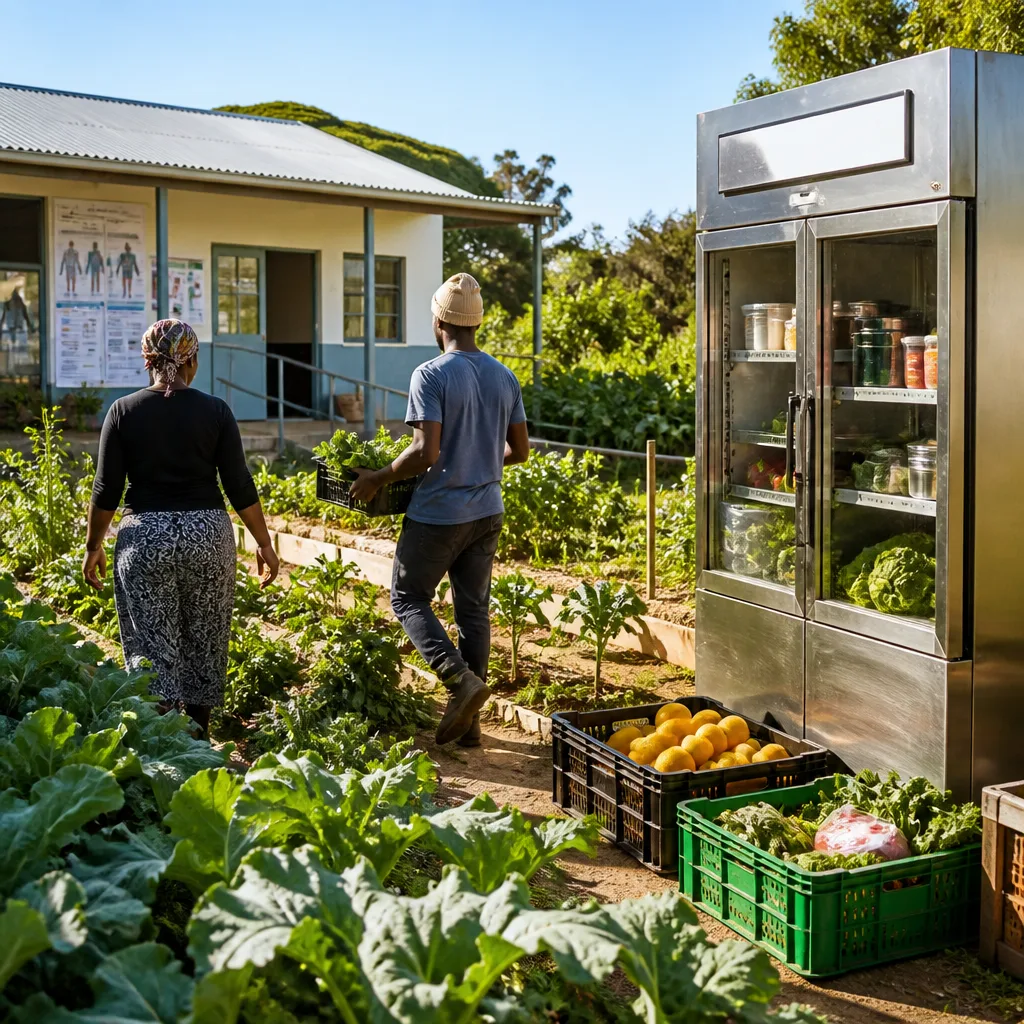
Penn State Health and the Penn State College of Medicine have developed a coordinated Food As Medicine Initiative that connects community food projects with clinical care, education and research to help prevent and manage diet-related chronic diseases.
Practical food access joined to clinical programmes
The initiative supports a network of community-based food resources — including 24 gardens and six community fridges across six counties — and collaborates with more than 100 community partners to make nutritious food available to people who need it. The programme also links nutrition and culinary education with clinical services and research that aims to build evidence on what works.
One of the programme’s community sites, the Chestnut Street Community Center in Lebanon, opened a garden and a community fridge stocked with free fresh food. Angela Brownstein, 52, a volunteer at the centre, told the reporting that she now relies on the fridge several times a week. She said the change in the household’s income and the high cost of living have made the community fridge an important resource for her nine-person household.
“In the beginning, we were putting food in. Now we take food out, due to an income change, the high cost of living and a need for food,” Brownstein said.
Program manager Laurie Crawford described the initiative as more than gardening alone: it is a deliberate attempt to create “a network of food access, nutrition and education programmes” that are integrated with clinical care and research.
What Food As Medicine includes
- Community gardens and fridges supplying fresh produce to people in need.
- Nutrition education and culinary skills training to support healthy eating.
- Clinical linkages such as produce prescriptions or medically tailored groceries and meals.
- Research to build evidence on interventions that prevent or manage conditions like diabetes and heart disease.
The initiative reflects a wider movement in health care across the United States, where health systems are experimenting with produce prescriptions, medically tailored meals and other programmes that place nutritious food at the centre of chronic-disease prevention and treatment.
| Element | Count |
|---|---|
| Community gardens | 24 |
| Community fridges | 6 |
| Counties served | 6 |
| Community partners | 100+ |
Those behind the programme say the dual emphasis on access and education aims both to meet immediate needs and to give people skills to make healthier choices. Participants report benefits such as increased consumption of fresh vegetables and improved ability to manage diet-related health issues.
Implications for policy and practice
By combining community resources with clinical practice and formal research, the initiative seeks to generate evidence that can inform future care delivery. For clinicians and policy-makers exploring similar approaches, the model underscores the importance of partnerships between health systems and local organisations to address the social determinants of health.
Readers should note that while community food programmes can support healthier diets, they are one component of broader care for chronic disease. Anyone concerned about diabetes, heart disease or other conditions should consult their healthcare provider or local clinic for personalised advice rather than self-managing based on food programmes alone.
The Food As Medicine Initiative at Penn State offers a tangible example of how health systems and communities may work together to improve nutrition and reduce the burden of diet-related illness through coordinated, research-informed action.











