Cold front warnings: what Oudtshoorn drivers need to know
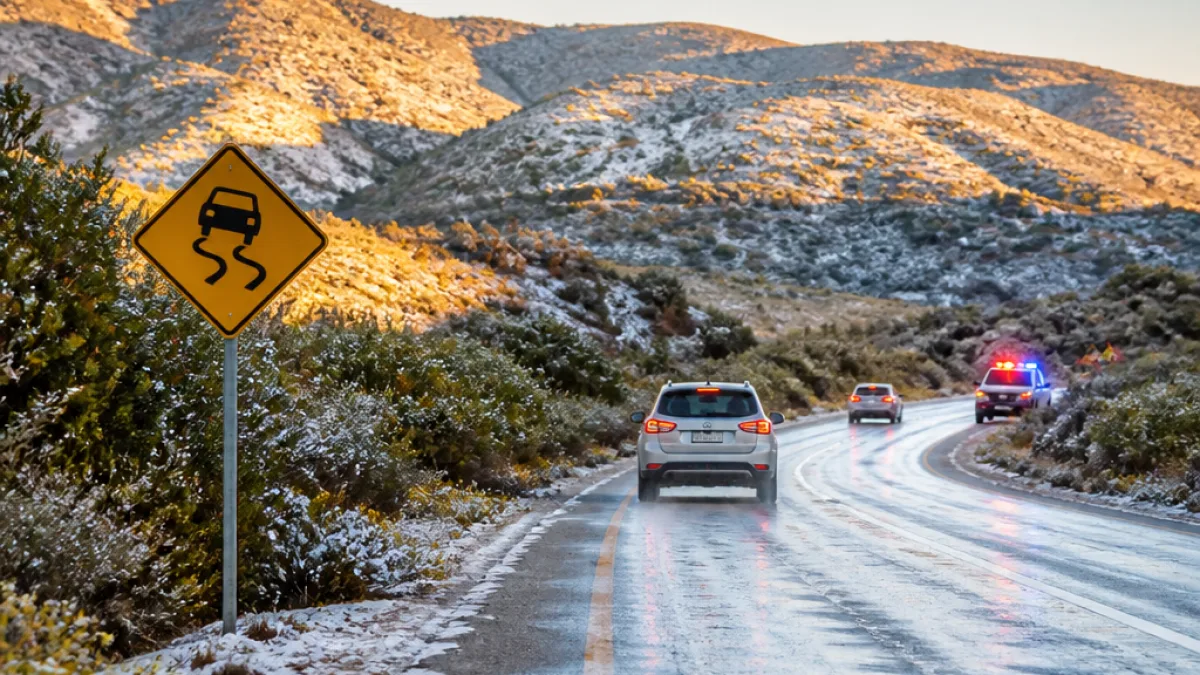
The South African Weather Service (SAWS) has issued warnings about a cold front bringing very cold weather, rain, snow and icy conditions to parts of the country. While the Arrive Alive bulletin that summarised the warnings focused on trouble spots in KwaZulu-Natal and Mpumalanga, the same driving hazards — slippery tarred roads and reduced visibility — are relevant to motorists travelling to and from Oudtshoorn and across the Klein Karoo.
Emergency responders reported multiple collisions in areas affected by the system. In one string of incidents in the Vryheid and Newcastle districts of KwaZulu-Natal, medical teams attended to seven separate collisions between 15:00 and 20:00, leaving eleven people injured.
"With very cold weather, rain, snow and icy conditions affecting parts of South Africa, motorists are being urged to take extra care on the roads," the Arrive Alive summary said, citing SAWS warnings.
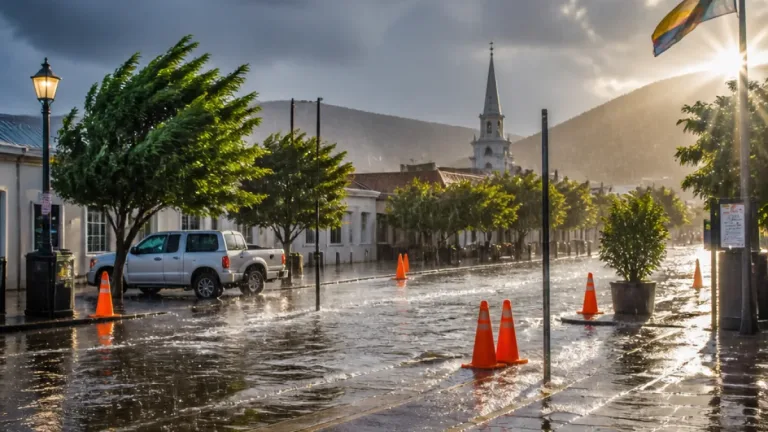
Locally, Oudtshoorn residents should note these practical risks and prepare accordingly. Wet and icy tar makes stopping distances longer and increases the likelihood of skidding — hazards that are amplified on the Karoo's winding passes and higher-lying stretches used by long-distance traffic. Early-morning and evening journeys are singled out as particularly risky.
- Visibility: Rain, sleet or snow can reduce sightlines. Use dipped headlights and keep a safe following distance.
- Traction: Wet or icy surfaces reduce grip — slow down before bends and avoid sudden braking.
- Preparedness: Ensure your vehicle's tyres, lights and windscreen wipers are serviceable; carry warm clothing and a charged phone.
Reaction Unit South Africa (RUSA) incidents cited in the bulletin also underline how quickly situations can escalate when weather deteriorates. In one early-morning event reported in Verulam, two women were injured after being struck during a collision on a local street. Another incident on the R102 near Tongaat involved a pedestrian who sustained head injuries after being hit by a vehicle. While these events occurred in KwaZulu-Natal, they demonstrate the kinds of outcomes emergency services see when roads become treacherous.
Local authorities in the Western Cape typically monitor SAWS bulletins and issue traffic advisories when a system poses a clear threat to movement on regional routes. Motorists planning trips via the N12, N9 or other Karoo connectors should keep an eye on official updates and allow extra travel time. Public-transport operators and freight vehicles may also reduce speeds or delay departures in adverse conditions.
| Area | Reported incidents | Injuries |
|---|---|---|
| Vryheid/Newcastle (KZN) | 7 collisions | 11 people injured |
| Verulam (KZN) | Vehicle collision on Todd Street | 2 women injured |
| Tongaat (R102, KZN) | Pedestrian struck | 1 unidentified person sustained head injuries |
For Oudtshoorn drivers, the immediate course is simple and sober: adapt driving behaviour to conditions. Reduce speed, increase following distance, avoid overtaking on wet or icy roads and postpone non-essential travel during heavy precipitation or freezing conditions. If you must travel, inform someone of your route and expected arrival time and carry warm clothing and emergency supplies.
SAWS warnings are the best early indicator of worsening conditions. Residents can consult SAWS updates and local traffic authorities before setting out. In the event of an accident, contact SAPS or emergency medical services; local traffic and law-enforcement agencies co-ordinate scene safety and clearances.
Weather systems of this kind can put strain on emergency services and medical teams, as shown in the Arrive Alive reporting. Prudence on the roads will reduce that strain and, more importantly, keep people safe.