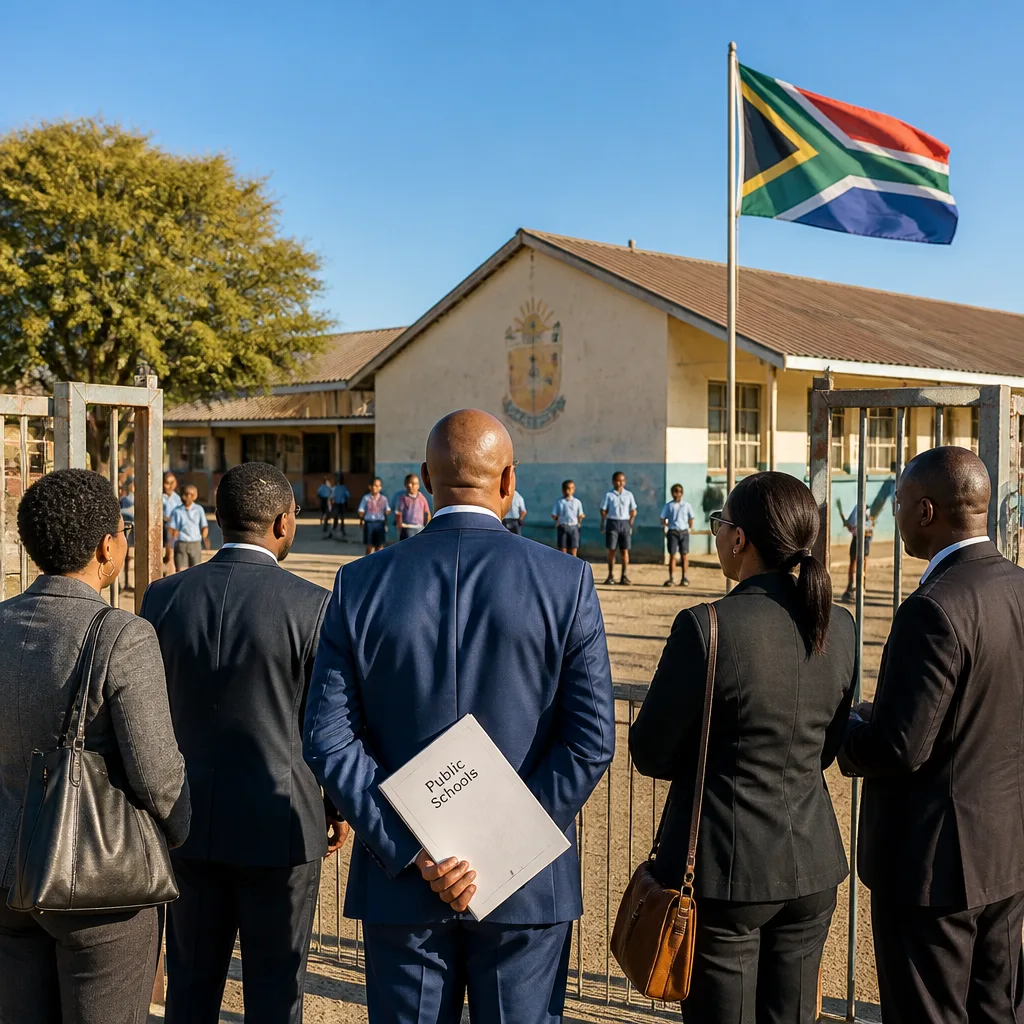
An opinion piece argues that public education should be a central cause for centre-right parties, challenging the assumption that defence of the public system is the preserve of the left. The column opens with the claim that “a belief in merit, individual effort and opportunity means little if children begin life with radically unequal chances,” and contends that a strong public school system is necessary to turn those beliefs into reality.
“A belief in merit, individual effort and opportunity means little if children begin life with radically unequal chances.”
Re-examining political assumptions about public schooling
The writer says they had long directed most criticism at the Labour movement for neglecting public education, because public schooling aligns historically with Labour’s mission: to prevent the circumstances of a child’s birth from determining life chances. However, they report a recent shift in perspective that questions why centre-right parties – which profess belief in opportunity and individual endeavour – are not equally robust defenders of universal public education.
According to the column, the author previously assumed the centre-right saw private schooling as an expression of choice and aspiration while regarding public schools simply as a safety net for those without alternatives. That assumption, the piece says, now troubles the author: if centre-right parties genuinely value opportunity and merit, the argument goes, they should support institutions that give every child some chance to exercise those values.
Historical memory and changing political purpose
The piece draws on recollections of political debate in the early 1970s, describing a time when disagreements with Liberal-supporting colleagues were about policy means rather than ends. The writer says both sides aimed to improve people’s lives — they differed on whether government or markets should lead. The piece acknowledges memory can romanticise the past but suggests there was once a recognisable social-liberal tradition within centre-right politics that accepted government responsibility for ensuring markets enlarged opportunity.
To illustrate evolving scholarship on the subject, the column refers to several academics and writers who have traced the political transformation, naming Judith Brett, Frank Bongiorno, Philip Mendes and, from a gender perspective, Blair Williams. These references are presented as part of a broader intellectual effort to understand how centre-right parties’ relationship to public provision has shifted.
- Core claim: Commitment to merit and opportunity requires strong public education.
- Argument: Centre-right parties should reassert public education as part of their political purpose.
- Context: The column situates the debate within historical memory and recent scholarly work.
Implications for policy debate
The column’s central challenge is normative: if a political movement values opportunity, it should champion the institutions that deliver it. That framing invites renewed discussion about where responsibility for guaranteeing quality schooling lies across the political spectrum — whether through targeted support for disadvantaged learners, systemic funding commitments, or policies that reduce unequal starts in childhood.
For education stakeholders — parents, teachers, school leaders and policymakers — the piece reframes political allegiance as a potential vehicle for wider consensus on preserving and strengthening public schooling rather than as an automatic indicator of policy preference.
While the column focuses on the political argument, it also underscores the practical stakes: without a broad political commitment to public education, the author suggests, calls to uphold merit and opportunity risk being rhetorical rather than substantive.
| Name | Role mentioned |
|---|---|
| Judith Brett | Scholar tracing political transformation |
| Frank Bongiorno | Scholar tracing political transformation |
| Philip Mendes | Scholar tracing political transformation |
| Blair Williams | Scholar offering a gender perspective |
The column does not prescribe specific policy measures, but it does prompt a strategic question for political parties: if the goal is genuine equal opportunity, what role will each party play in preserving and improving the public institutions that make that possible?
As national education discussions continue, reframing public schooling as an issue that spans the political spectrum could open space for cooperative policy solutions focused on learners at the centre of reform.