Scientists in Russia have identified a new mineral on the Kola Peninsula that concentrates rare-earth elements and features a highly complex crystalline structure, according to a report by Saint Petersburg State University and associated research centres.
What was found
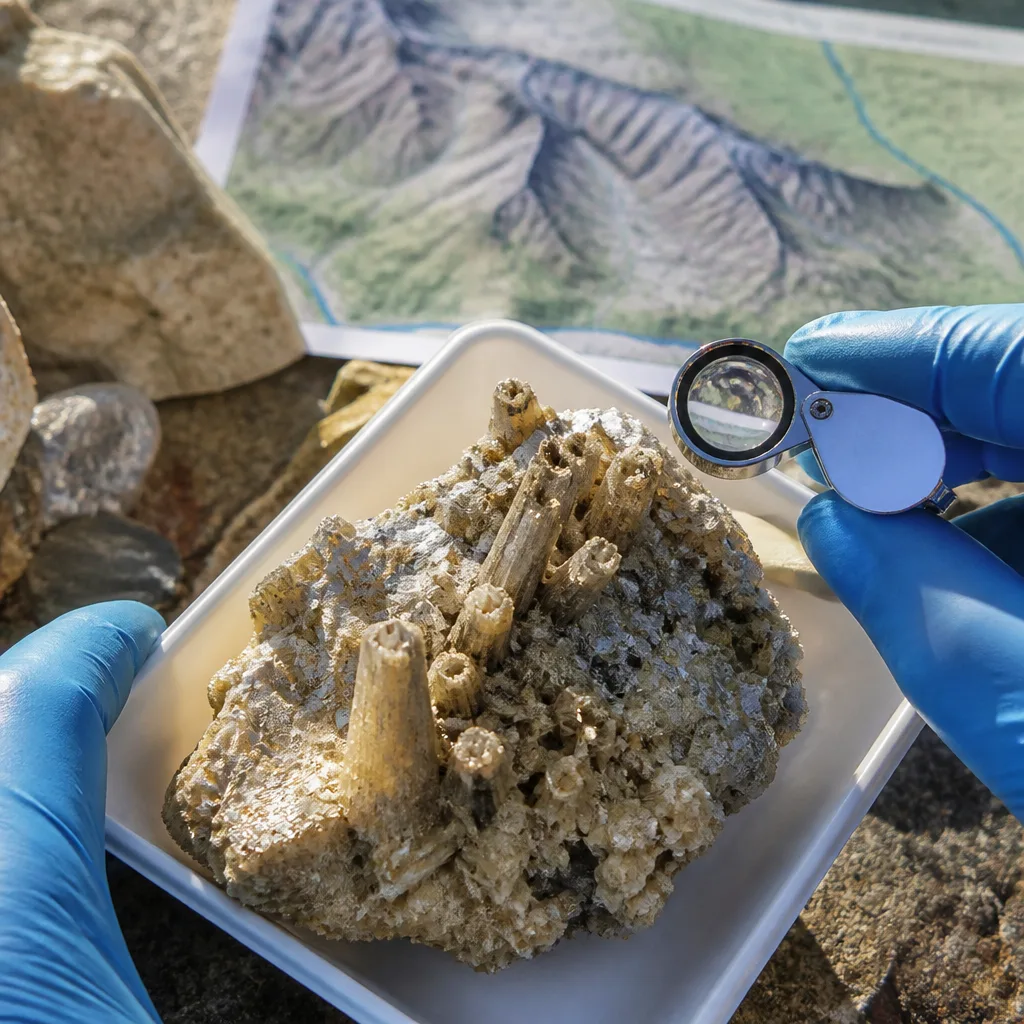
The mineral, provisionally named Kola Ashcroftine, was discovered in the Khibiny alkaline massif — a region already known for significant rare-earth resources. The announcement came via the university’s website and was reported by the research partners involved in the find.
Analyses show the mineral contains a mix of elements including yttrium, silicon, potassium, sodium, calcium, manganese, fluorine and a range of other rare-earth elements. Researchers highlighted two features of particular interest:
- an exceptionally complex crystalline arrangement made up of silicate nanotubes joined by a zeolite-like framework;
- a capacity to host multiple rare-earth elements within its structure, suggesting potential usefulness in separation or ion-exchange applications.
Why mineral structure matters
Sergey Krivovichev, director of the Kola Science Centre and a professor at Saint Petersburg State University, said the crystal structure is “particularly complex.” Complex frameworks such as silicate nanotubes and zeolite-like cavities are scientifically valuable because they can trap or exchange ions — a property exploited in industry for water purification, certain pharmaceutical processes, metallurgy and aspects of nuclear fuel handling.
According to the report, the mineral likely formed in a hydrothermal environment at relatively low temperatures. That detail matters because it raises the prospect of reproducing the material in the laboratory by low-temperature, so-called gentle chemistry methods. Synthetic routes that do not require extreme heat or pressure are often cheaper and easier to scale for research into applications.
“The mineral’s crystalline structure is particularly complex,” said Sergey Krivovichev, as reported by the university.
Context and consequences
Rare-earth elements are a group of metals and metalloids used widely in modern technology: magnets for electric motors, catalysts, phosphors for displays and LEDs, and specialised optics. While the discovery itself does not immediately change supply dynamics, a mineral that naturally concentrates several rare-earth elements and can be synthesised or processed with mild chemistry would be of interest to scientists and industry alike.
The report also placed the discovery alongside recent mineral finds in other BRICS countries, noting parallel announcements such as a germanium-rich mineral identified in China. Those comparisons underline ongoing exploration and mineral research across several countries with substantial geological resources.
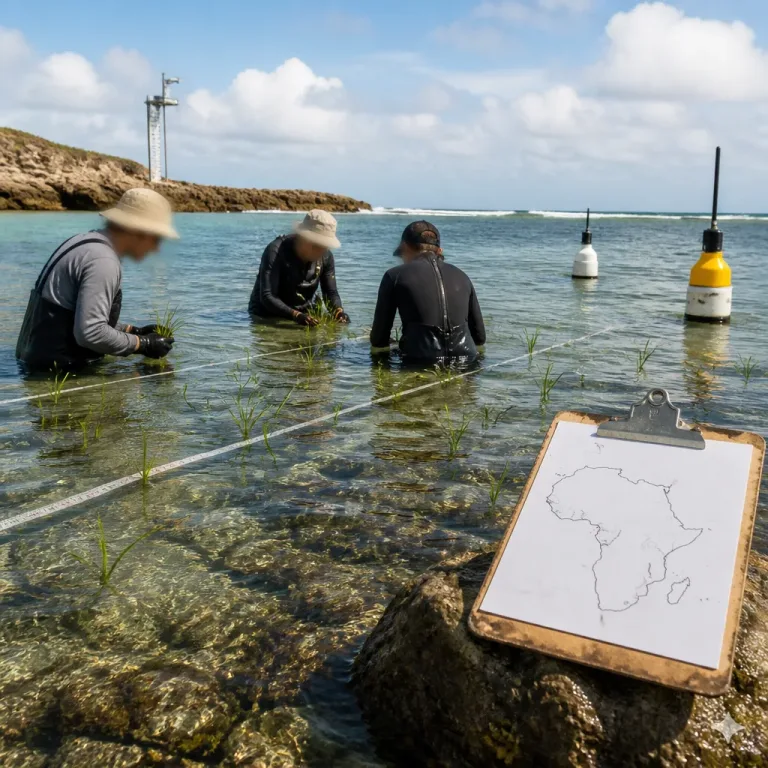
For South African readers, the find is a reminder of how mineralogy continues to inform technology development and supply-chain considerations. South Africa has its own critical-minerals debates, and new knowledge about how certain minerals incorporate valuable elements can influence processing research, recycling strategies and the search for low‑impact extraction and separation methods.
What next
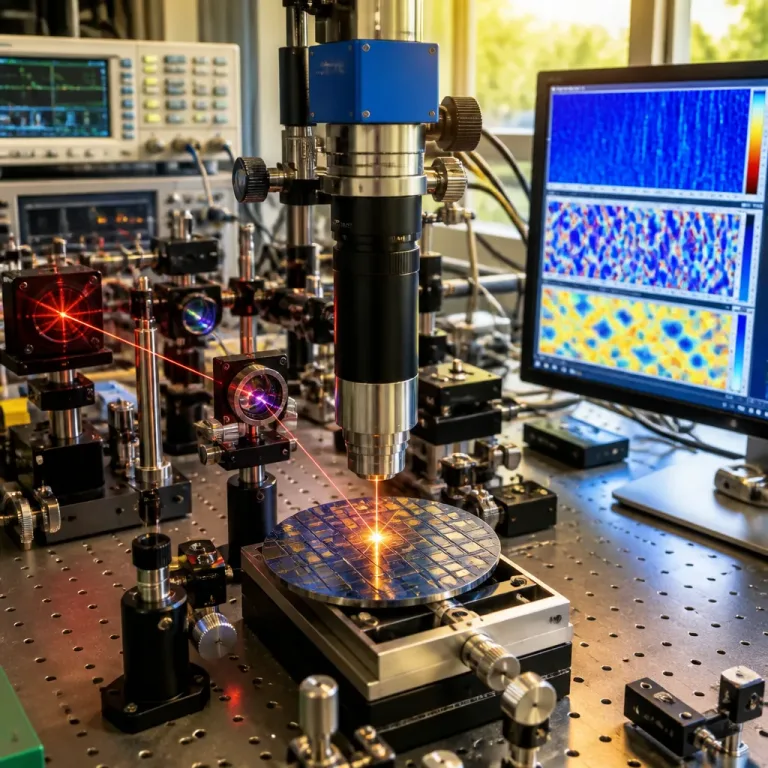
The immediate scientific follow-up will focus on characterising the mineral in detail: confirming its chemical formula, determining the stability range of its structure, and testing laboratory synthesis routes. If the mineral can be synthesised or its ion-exchange properties demonstrated, researchers may explore targeted separation techniques for specific rare-earths.
At present, the announcement is a scientific milestone rather than a commercial one. The discovery enriches mineralogical knowledge and points to lines of research that could, over time, influence technology development where rare-earth chemistry is central.
| Characteristic | Reported detail |
|---|---|
| Location | Khibiny alkaline massif, Kola Peninsula |
| Key elements present | Yttrium, silicon, potassium, sodium, calcium, manganese, fluorine, other rare-earths |
| Crystal features | Silicate nanotubes joined by a zeolite-like structure |
| Likely genesis | Hydrothermal formation at relatively low temperatures |