
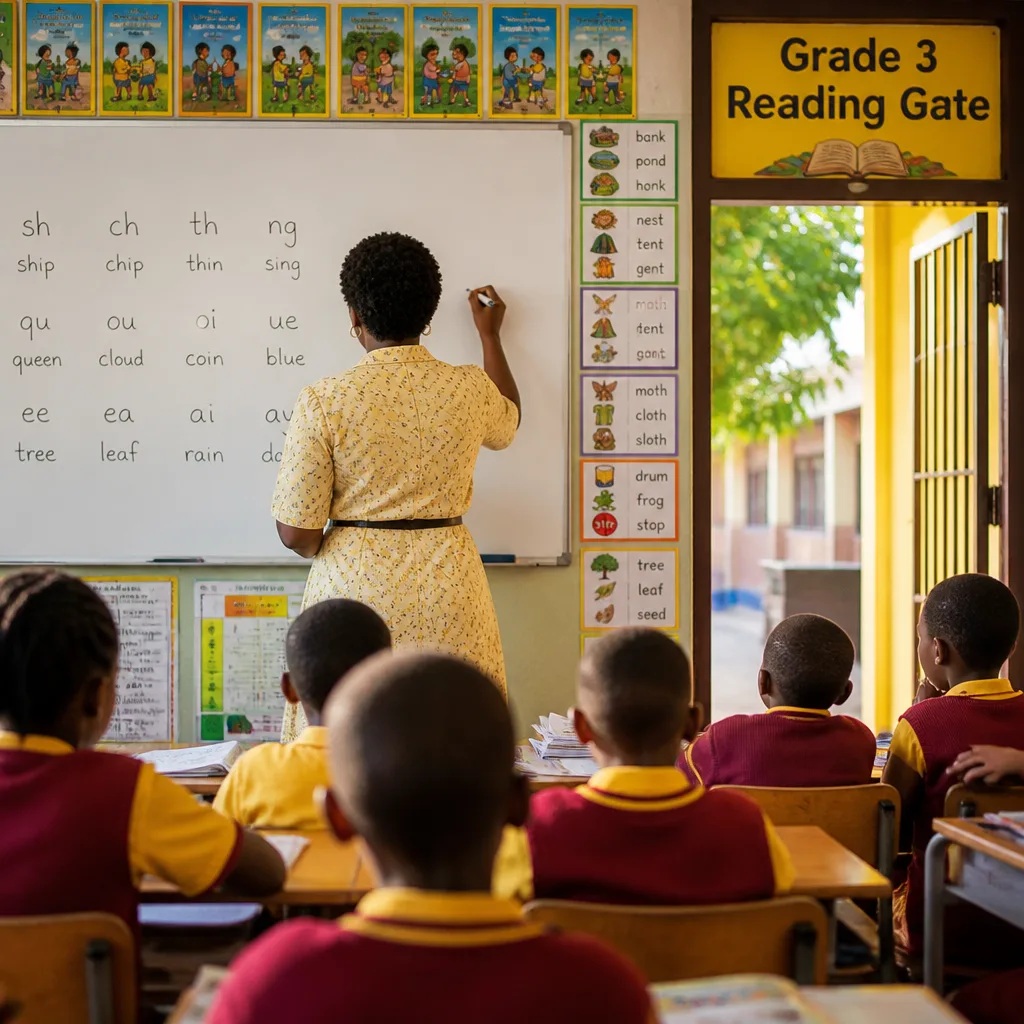
Mississippi’s sustained education reforms — centred on the adoption of the “science of reading”, systematic phonics instruction and stronger accountability for underperforming schools — are being credited with rapid improvements in early-grade literacy and numeracy, according to US reporting.
What changed in Mississippi
Once among the lowest-ranked US states for educational outcomes, Mississippi introduced a package of policies that included mandating explicit phonics instruction, requiring students to pass a reading test before entering Grade 4, and imposing governance consequences for chronically underperforming schools.
Advocates say the approach treats literacy as a body of evidence-based practices about how children learn to read: phonics and sound-letter correspondence; vocabulary and background knowledge; and structured classroom instruction. That suite of changes has coincided with gains that reporters describe as a marked turnaround in early-grade results.
Policy instruments and controversy
One of the most contested measures was a statute requiring students to pass a reading assessment before promotion to Grade 4. Those who failed could be held back in Grade 3. The policy was introduced in 2013 and generated debate about whether retention would help or harm learners.
“If we don’t require kids to have great literacy before they go to fourth grade, we know what happens to them,” said Rachel Canter, education policy director at the Progressive Policy Institute, on "Elizabeth Vargas Reports," as reported.
Mississippi also enacted rules that could result in the removal of superintendents and school-board members where student performance remained chronically low. Proponents argue such measures focused school systems on improving instruction and outcomes.
Measured outcomes
Reporting cites sharply improved rankings for Mississippi’s fourth graders: 9th in reading and 16th in mathematics nationally for that cohort — a dramatic rise from previous low standings. Analysts attribute these gains to systematic use of evidence-based instruction and clearer accountability.
| Measure | Reported result |
|---|---|
| Fourth-grade reading ranking | 9th nationally |
| Fourth-grade maths ranking | 16th nationally |
What this means for South Africa
South Africa faces persistent challenges in foundational learning: large numbers of learners reach later grades without secure reading skills, and multiple national assessments have shown wide gaps across provinces and schools. The Mississippi experience underscores several elements South African policymakers and education stakeholders may consider:
- Instructional clarity: Clear guidance on what early reading instruction should look like — including phonics and vocabulary development — can help teachers align classroom practice to learning goals.
- Assessment linked to support: If assessments determine progression, they must be paired with targeted remediation and resources so learners are not left behind.
- System accountability: Structural changes that focus leadership on outcomes can accelerate prioritisation of instruction, but must be sensitive to context and capacity.
Any transfer of policy lessons must account for contextual differences. South Africa’s system includes a wide range of school types, language environments and resource levels. Successful reform would require investment in teacher training, curriculum materials in home languages, and scalable support programmes for learners who need extra help.
Questions and cautions
International examples can offer insight but cannot be transplanted wholesale. The debate around retention in Grade 3 in Mississippi illustrates the trade-offs between raising standards and the risks of repeating learners without sufficient support. South African policymakers will need to weigh evidence on long-term effects, and design mitigation measures where learners face social and economic barriers to progress.
Mississippi’s case shows that combining evidence-based classroom practice with accountability mechanisms can produce measurable gains in early grades. For South Africa, the challenge remains to adapt such measures in ways that strengthen classrooms, support teachers and protect vulnerable learners.
Reporting on the Mississippi reforms was published by NewsNation and included comment from Rachel Canter of the Progressive Policy Institute on "Elizabeth Vargas Reports."











