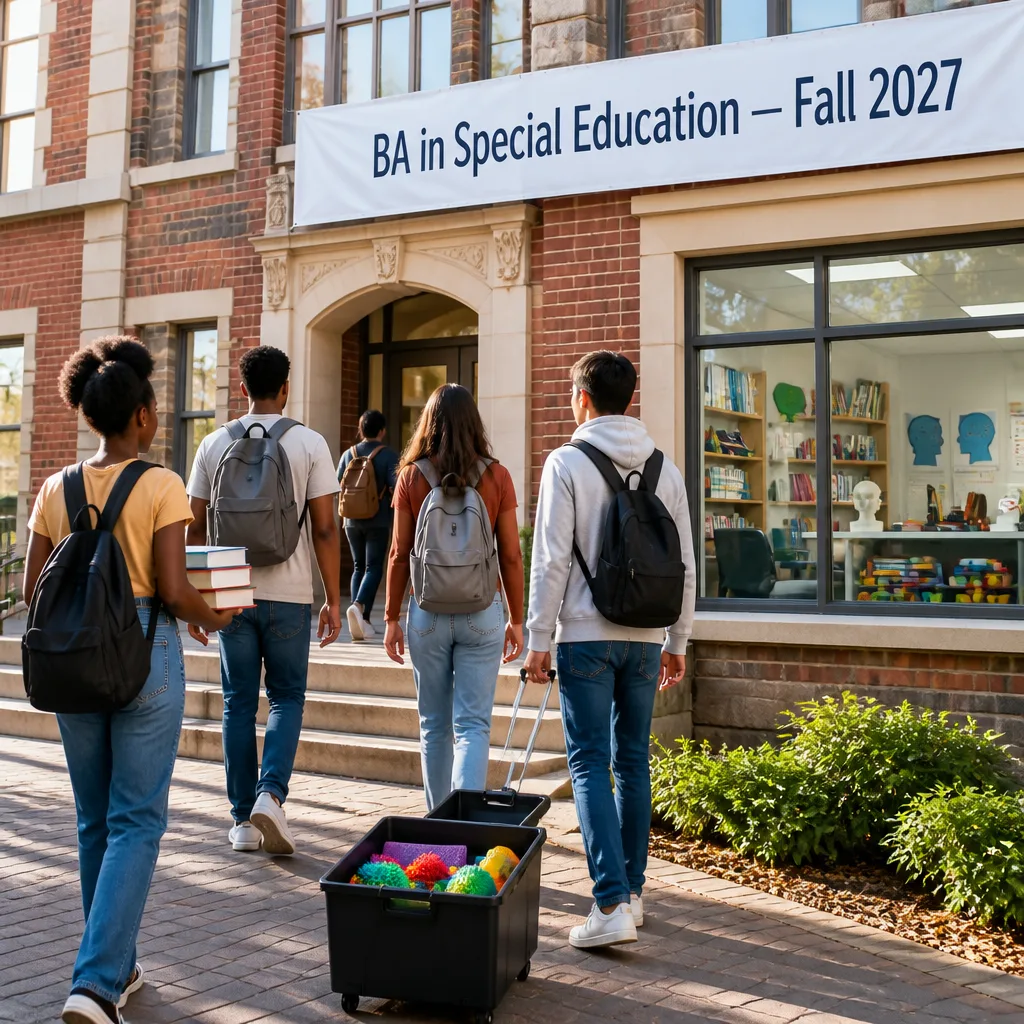
Loyola University Maryland will introduce a new Bachelor of Arts in Special Education starting in Fall 2027, the university announced, citing a pressing need for qualified special education teachers in Maryland.
Programme aims and licensure
The undergraduate major is designed to prepare graduates for Maryland teacher licensure in either elementary/middle or secondary/adult special education. The curriculum aligns with the standards of the Council for Exceptional Children and focuses on preparing educators to teach, advocate for and support learners with diverse needs.
The programme director emphasised the practical orientation of the course content.
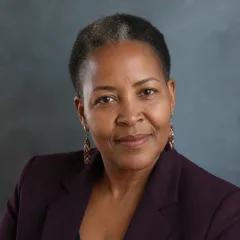
“This new program reflects Loyola's commitment to preparing highly qualified educators who will support students with diverse learning needs and help create more inclusive schools and communities,” said Kristine E. Larson, Ed.D., programme director of Special Education.
Curriculum and classroom experience
Key elements of the major include coursework in assessment, behaviour management, collaboration, curriculum and instruction, and literacy. The programme highlights:
- Specially designed instruction, emphasising adaptation of curriculum and teaching methods for learners with disabilities;
- Literacy instruction rooted in the science of reading;
- Clinical experiences to connect theory with practice in real classrooms;
- Elective options to pursue complementary fields, including speech‑language‑hearing sciences.
These components are intended to give students hands-on exposure to inclusive classrooms and evidence-based practices before entering the profession.
Why Loyola says the programme is needed
University leaders framed the new major as a response to workforce demand. Afra Ahmed Hersi, Ph.D., dean of Loyola’s School of Education, said the degree will combine liberal arts training with preparation for a profession that is both meaningful and in high demand.
“We are excited to welcome students from across the country and around the world who are passionate about creating equitable learning opportunities and supporting the success of all learners,” the dean added in the announcement.
What this means for schools and learners
The introduction of a dedicated undergraduate major in special education is intended to expand the pipeline of teachers who hold initial licensure in special education areas. By embedding clinical placements and evidence-based literacy strategies into the programme, Loyola aims to produce graduates who can step into classrooms with practical skills for assessment, behaviour support and inclusive instruction.
| Feature | Detail |
|---|---|
| Start date | Fall 2027 |
| Qualification | Bachelor of Arts in Special Education |
| Licensure goal | Maryland teacher licensure (elementary/middle or secondary/adult special education) |
| Standards | Council for Exceptional Children |
For education systems struggling to fill special education posts, expanded pre-service programmes can be one part of a broader response. The faculty statement that “schools need highly qualified special educators now more than ever” underlines the urgency Loyola attributes to this extension of training capacity.
While the announcement is specific to Maryland, the approach — combining standards-aligned coursework, literacy grounded in the science of reading, and substantial clinical experience — reflects current international emphasis on preparing teachers who can support inclusive classrooms from day one.
As jurisdictions consider how to strengthen initial teacher preparation and address shortages in specialist areas, the Loyola model will be one to watch for how closely graduates’ classroom readiness matches school needs and how quickly newly licensed teachers move into positions serving learners with disabilities.