
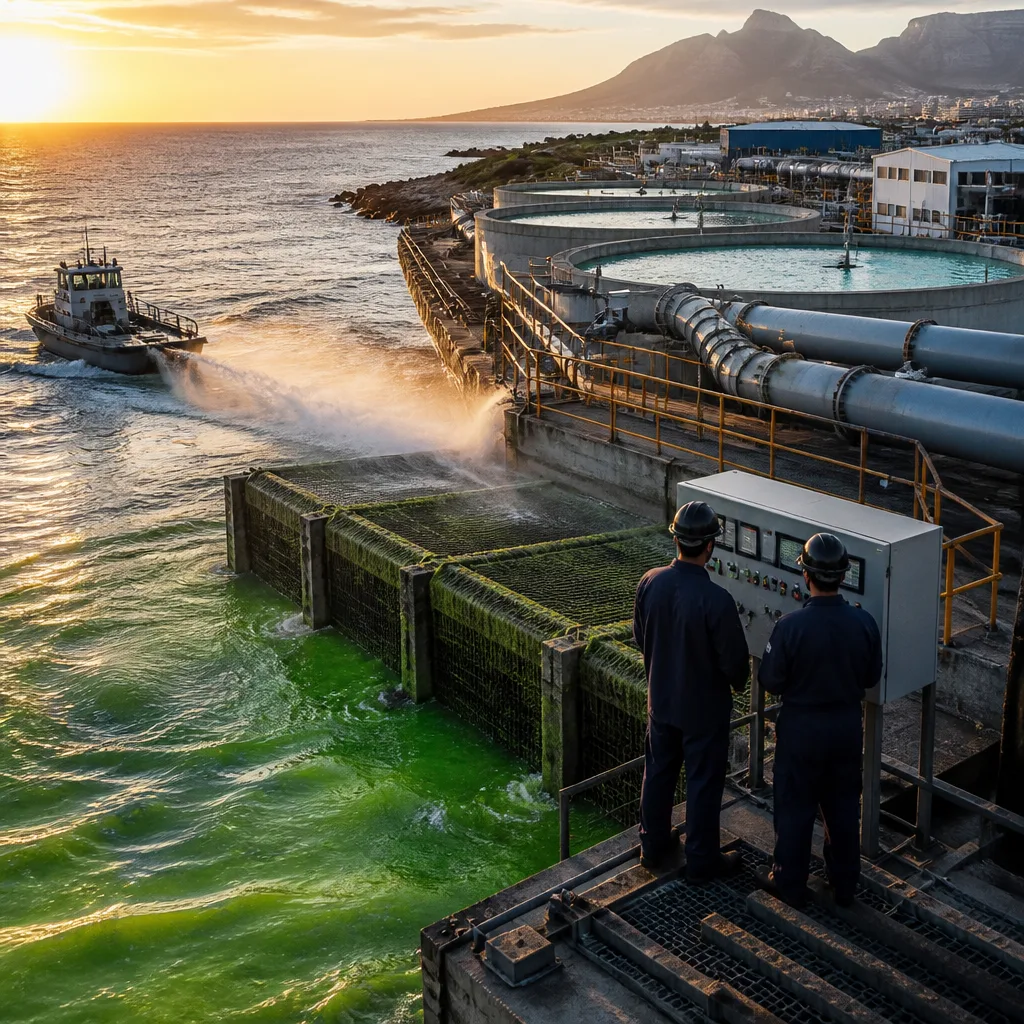
Israel's national water supply returned to normal after a week of disruption caused by a large algae bloom that forced most desalination plants to curtail operations, the country's Water Authority said on Friday. The authority added that it had not set a timetable for when the bloom would subside.
How supply was stabilised
According to the Water Authority, normal deliveries to households and agriculture were restored through a combination of measures: selective, controlled operation of some desalination facilities, increased flows from the Sea of Galilee, and the activation of hundreds of groundwater wells. The national utility Mekorot is scheduled to top up reservoirs over the weekend, when private consumption typically falls, to maintain regular supply into next week.
Operational trade-offs remained stark. The report said at least one desalination plant was being run despite high turbidity in intake seawater. Plant operators elected to accept the elevated risk of damage to membrane units rather than cause further disruption to consumers by shutting down.
Environmental response and concerns
Earlier in the week, Israel's Water and Sewage Authority carried out a large-scale coastal spraying operation near the southern city of Ashkelon, deploying substances described by several sources familiar with the matter as pesticides intended to curb the bloom. The spraying was undertaken without public notification, Haaretz reported.
The Energy and Infrastructure Ministry said the decision was coordinated with the Environment and Health Ministries and approved by an interministerial committee that issues permits for marine discharges. However, the newspaper's reporting noted concerns from sources who said the substances used could cause environmental damage.
“The authority did not provide an estimate for when the algae crisis would end.”
The underlying cause of the bloom and its likely duration were not specified in the authority's statement. When algae blooms affect seawater quality, they can increase turbidity and introduce organic material that fouls desalination intakes and membranes, reducing output and raising operating costs.
What this means for water security
The episode highlights a number of issues relevant to regions that depend heavily on desalination or coastal intakes:
- Supply diversification: Israel relied on a portfolio of sources — desalination, freshwater from the Sea of Galilee, and groundwater — to maintain deliveries.
- Operational risk management: Authorities accepted potential equipment damage to avoid interruptions to consumers.
- Environmental trade-offs: Emergency chemical interventions were authorised, raising questions about ecological impacts and public transparency.
| Measure | Role in response |
|---|---|
| Controlled desalination | Partial operation to maintain supply despite turbidity |
| Sea of Galilee flows | Increased to supplement water for households and agriculture |
| Groundwater wells | Hundreds activated to boost supply |
For water managers, the incident is a reminder that coastal desalination plants are vulnerable to episodic natural events — such as harmful algal blooms — that can quickly curtail output. Decisions to run plants under adverse intake conditions, or to deploy chemical treatments at sea, represent difficult trade-offs between short-term supply continuity and longer-term maintenance, environmental health and public trust.
Authorities did not provide a prognosis for the bloom's likely course, leaving uncertainty about when desalination facilities can resume full, untroubled operation. Close monitoring of intake water quality, contingency switching to alternative sources, and transparent communication about emergency interventions will be central to managing both the technical and social consequences of similar events in the future.
This account is based on reporting by Haaretz and the Water Authority's public statement as relayed in that report.









