Iran’s security chief, Mohsen Rezaei, warned of “earthquake‑like” retaliation if the United States took further action, in remarks that come as Washington prepares a new round of economic pressure, according to reporting from international news agencies.
Escalating rhetoric and preparations
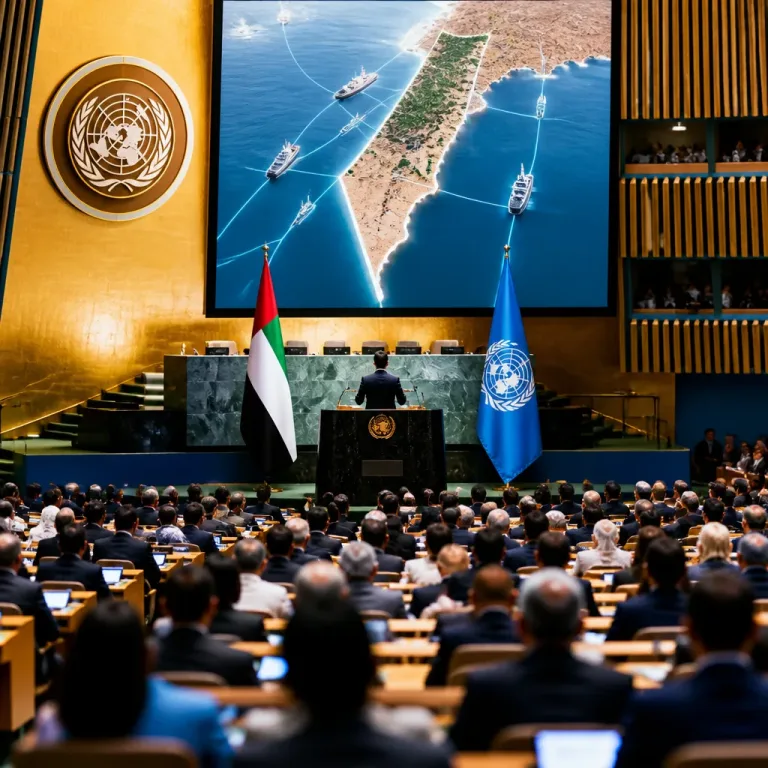
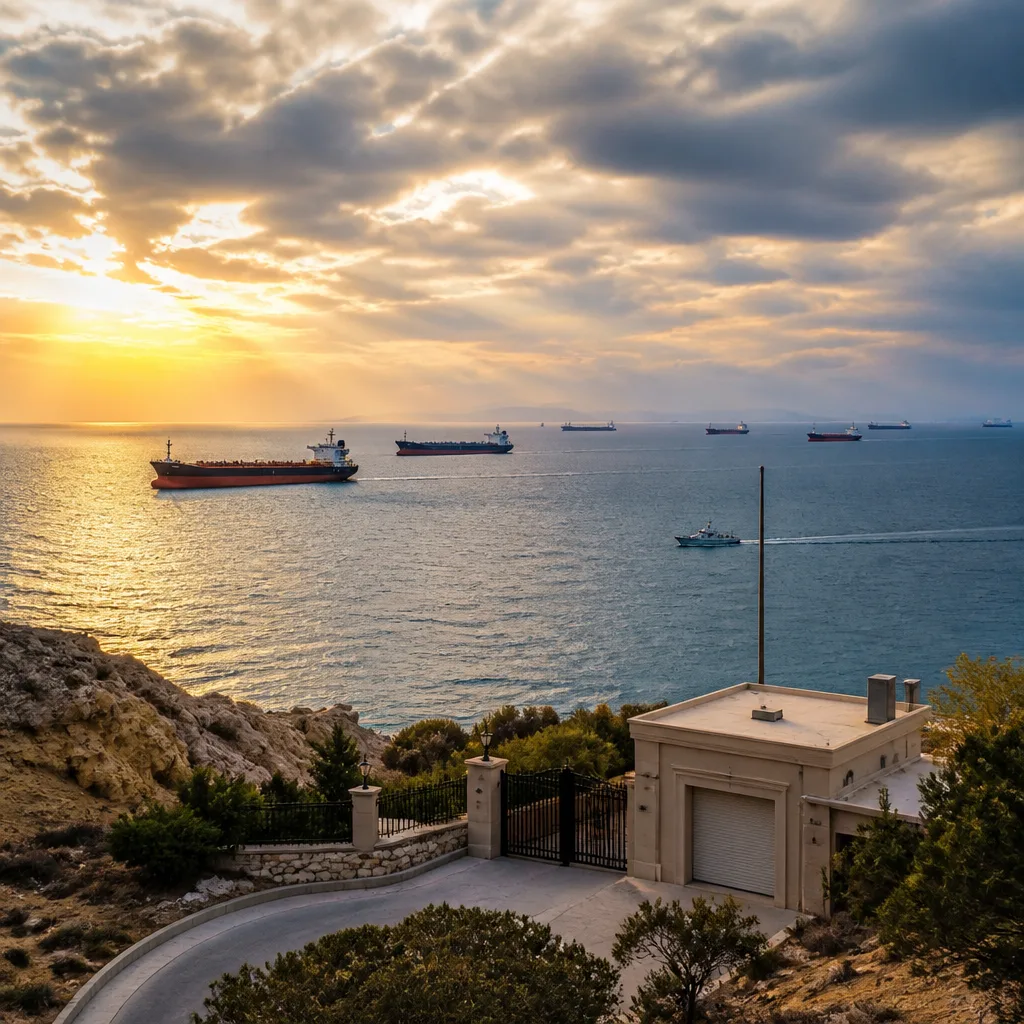
The heightened rhetoric followed a period of intensifying diplomatic and military signalling in the region. Reuters reported that Iran’s Parliament Speaker, Mohammad Bagher Ghalibaf, said Tehran had received numerous messages from neighbouring states about creating new regional security arrangements. State news agency IRNA said Iran had authorised several Iraqi oil tankers to transit the Strait of Hormuz after repeated requests from Baghdad.
“earthquake‑like”
The United States is planning another substantial package of sanctions. Reuters said Treasury Secretary Scott Bessent was scheduled to outline fresh measures after promising the “toughest measures yet.” President Donald Trump was quoted as saying Iran sought an agreement with Washington but had not yet accepted what he described as the right deal.
Regional and international responses
Several diplomatic and military movements have accompanied the standoff:
- Chile will close its embassy in Tehran from 31 August, citing preventive concerns about security, while maintaining diplomatic relations, the Chilean Foreign Ministry said, according to Reuters.
- Iraqi oil tankers were given permission by Iran to pass through the Strait of Hormuz, IRNA reported, following requests from Baghdad.
- US Air Force KC‑135 tankers that had been deployed to Bulgaria left Bezmer air base on a Friday after nearly a month; Bulgarian officials said the aircraft carried out training missions over allied countries, Reuters reported.
The deployment to Bulgaria had previously angered Tehran. Bulgaria’s defence minister was quoted telling reporters that Sofia had no information about direct threats to its national security linked to the deployment, and that parliament had approved the stationing earlier, on 22 July.
What this means for the region and beyond
The mix of hardline threats from Tehran, diplomatic adjustments by third countries and the prospect of tougher US sanctions increases the risk of wider economic and security spillovers in the Middle East. The authorisation for Iraqi tankers to transit the Strait of Hormuz may be intended to reassure Iraq and other neighbours about the flow of oil, while Chile’s temporary embassy closure signals concern among distant partners about regional stability.
Military positioning also continues to shape the atmosphere. Reuters reported that an MH‑60S Sea Hawk was preparing to land on the carrier USS Abraham Lincoln on 14 August as the carrier group supported US operations related to the conflict with Iran, illustrating how maritime and air assets remain central to the United States’ presence in the region.
| Action | Source / Date |
|---|---|
| MH‑60S Sea Hawk aboard USS Abraham Lincoln | Reported 14 August |
| KC‑135 tankers leave Bezmer air base, Bulgaria | Reported late August (deployment approved 22 July) |
| Chile to close embassy in Tehran | Closure from 31 August |
| Iran permits Iraqi tankers through Strait of Hormuz | Reported by IRNA |
For South Africa and other distant states, the immediate impacts are likely to be economic — fluctuations in oil markets and insurance costs for shipping — and diplomatic: balancing support for international law and regional stability while protecting trade ties and nationals abroad. The situation remains fluid given competing diplomatic signals and the promise of new US sanctions.
Reporting for this piece drew on accounts by Reuters and Iran’s IRNA, as reflected in the consolidated coverage of the developments.