Indonesia’s Ministry of Primary and Secondary Education has introduced a national learning strategy intended to make teaching more pupil-centred and effective, officials reported. The programme — described by the ministry as Deep Learning — focuses on how pupils experience learning as much as the knowledge they take away.
Three guiding principles and practical testing
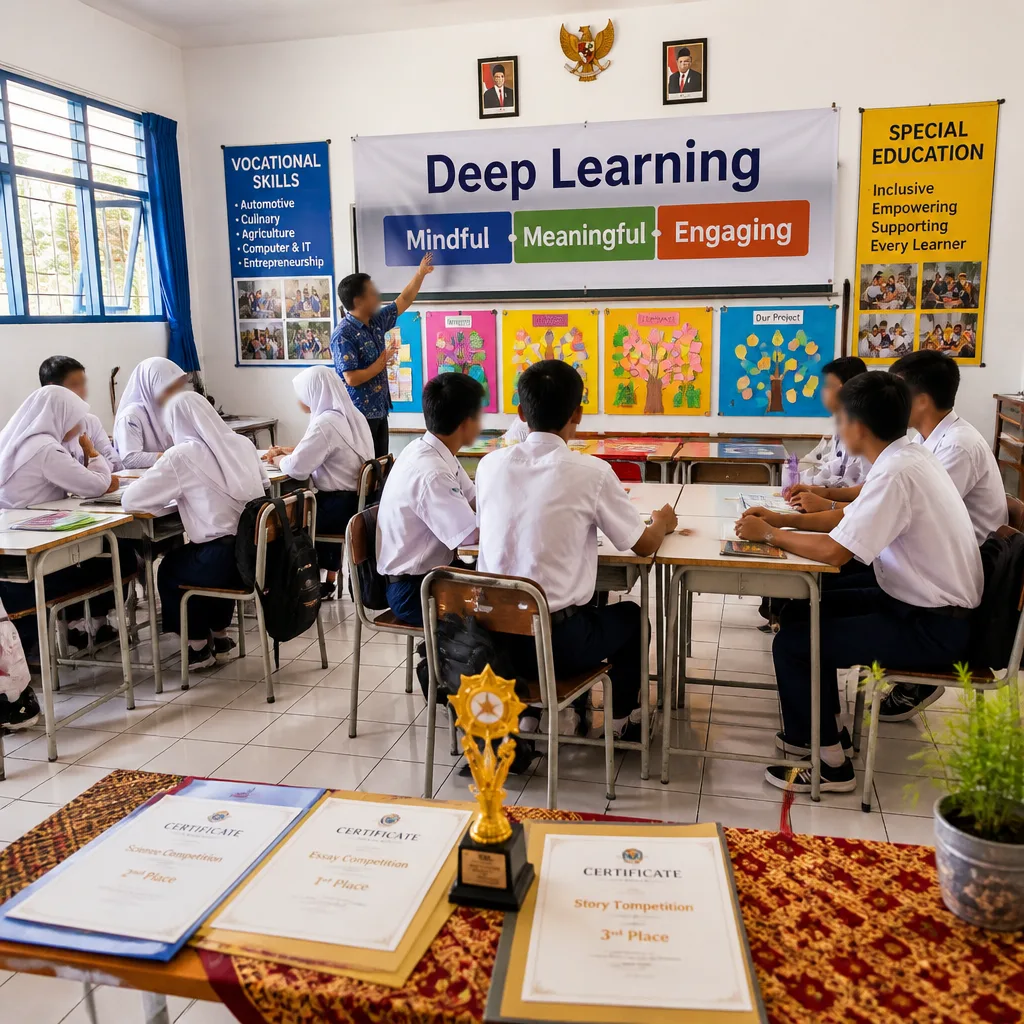
According to ANTARA, the approach is built on three principles: mindful, meaningful and engaging learning. The ministry said the aim is to tackle long-standing problems in education by changing methodologies in classrooms rather than concentrating only on content delivery.
"We want to address the problems in our education sector at their root – starting with the learning approach we are developing, which we call Deep Learning," said Abdul Mu'ti, Indonesia’s Minister of Primary and Secondary Education, as reported by ANTARA.
Officials highlighted that Deep Learning is intended to respect every pupil’s dignity and potential, irrespective of academic results or personal circumstances. The ministry framed the change as a shift in how teachers design lessons and how pupils perceive their learning experience.
Linking vocational and special education
Tatang Muttaqin, Director General for Vocational Education, Special Education and Special Services, told ANTARA that the concept is particularly relevant for vocational training. He said vocational programmes must become more adaptable and aligned with contemporary workplace needs, and that the new learning framework can support that transition.
The ministry has also emphasised the importance of applying the approach in special education and services, signalling that inclusivity is a component of the change.
Teacher innovation tested through competition
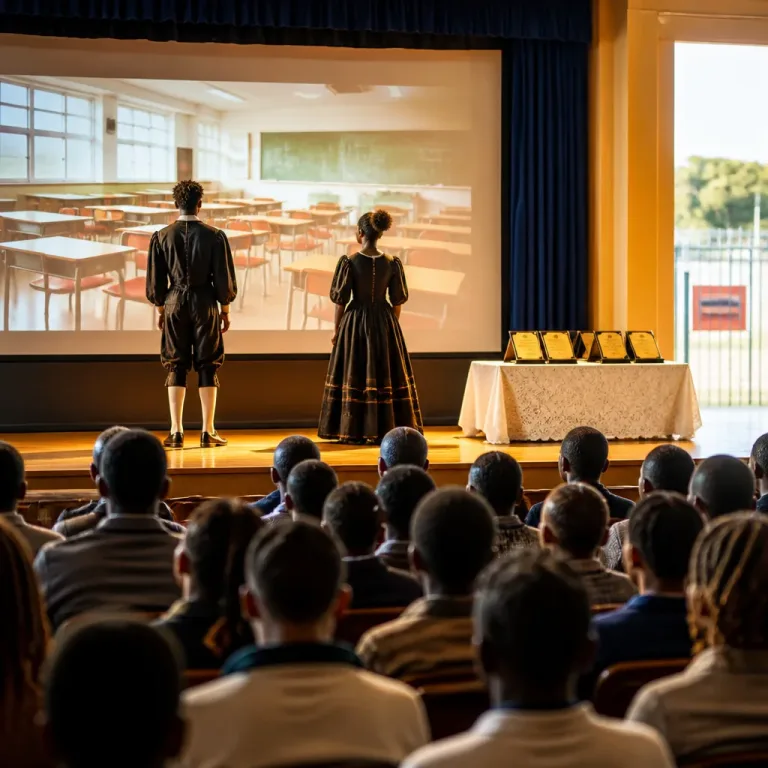
To test and encourage practical applications of the model, the ministry ran a competition for teachers between 22 July and 9 August 2026. The initiative involved 250 schools that had participated in training on the methodology in 2025. From those entries, a panel selected the 10 best projects across several categories, assessing submissions from problem identification and choice of teaching strategy through to measured impact on pupils.
- Dates: 22 July–9 August 2026 (competition period)
- Schools involved: 250 trained schools
- Top projects: 10 selected as winners
The competition assessed the full cycle of classroom innovation: identifying a concrete challenge, selecting or designing a teaching method, implementing it and showing evidence of pupil impact. The ministry said this whole-process focus helped identify projects with both practical utility and measurable results.
What this means for classrooms and for South Africa
Indonesia’s shift places classroom experience and teacher method at the centre of reform rather than relying solely on curriculum or assessment changes. For South African educators, policymakers and school communities, three elements of the approach merit attention:
- Teacher support and professional development: Indonesia paired methodology development with teacher training and a competitive incentive to implement and refine practice.
- Inclusivity in design: Connecting vocational and special education under the same pedagogical framework emphasises adaptable methods for diverse learners.
- Practical impact measurement: Evaluating innovations from problem definition through to pupil outcomes strengthens evidence-based practice.
While contexts differ, the Indonesian example underscores that national change can be anchored in classroom-level practice if it is paired with teacher development and mechanisms to surface effective innovations. The ministry’s public framing — that the approach seeks to treat every pupil with respect and to reshape teaching methods at the root — suggests a long-term commitment to cultural as well as technical change in schools.
The selection of ten standout projects from 250 trained schools offers a small but concrete evidence base that new methods are being trialled in regular classrooms, not just in pilot or laboratory settings. How those schools measure and report pupil outcomes will be important for scaling the approach and for informing similar reforms elsewhere.
ANTARA provided the reporting on the ministry’s announcements and competition outcomes.