
The politics of oil have been a defining force in international relations for more than a century, shaping wars, statecraft and the architecture of energy governance, a recent overview of the subject reports. Key milestones — from interwar corporate arrangements to the creation of OPEC and the response mechanisms led by consumer states — illustrate persistent vulnerabilities that remain relevant for South Africa today.
From private pacts to public institutions
The account traces the origins of concentrated oil control to early 20th-century arrangements among major companies, which sought to coordinate production and influence prices. It then follows the wave of nationalisations and geopolitical ruptures — Mexico in 1938, Iran’s 1951 nationalisation of the Anglo-Iranian Oil Company and the upheavals that followed — that shifted leverage from private companies to states.
The formation of the Organisation of the Petroleum Exporting Countries (OPEC) in 1960 and the 1973 oil embargo by Arab producers marked a turning point. According to the piece, the embargo demonstrated that producer states could wield oil as a political instrument, reshaping markets and international alignments. In response, consumer states sought collective arrangements and in early 1974 the United States convened international talks that led to the creation of the International Energy Agency (IEA) under the International Energy Program.
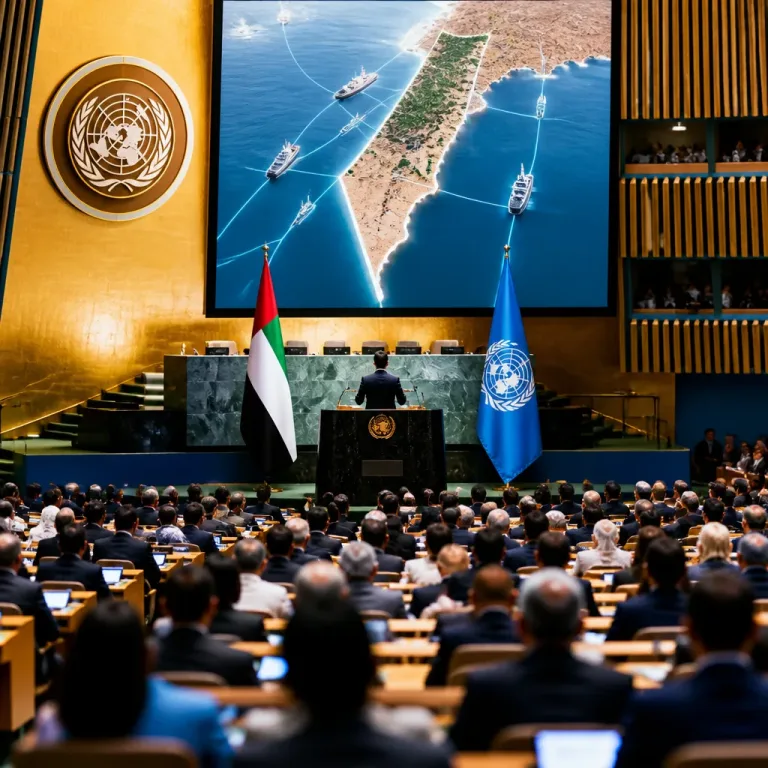
“The United Nations, through the General Assembly, declared the right of peoples and nations to permanent sovereignty over their natural wealth and resources.”
The overview notes that this principle underpinned national claims to resource control and justified the wave of nationalisations following the 1973 shock. It also highlights how successive crises — the 1979 Iranian Revolution, the Iran–Iraq War, the 1990–91 Gulf War, 9/11 and the Iraq War — repeatedly tested governance mechanisms, often exposing limits in co-ordination between producers and consumers.
Lessons for energy security and policy
Several recurring themes emerge from the historical sweep that are directly pertinent to South Africa's policy choices:
- Market concentration and geopolitical leverage — Control of supplies by a relatively small group of producer states can translate into sudden price shocks or restrictions of trade.
- Institutional responses have limits — Institutions such as the IEA provide frameworks for co-ordination, but have not always prevented sharp disruptions when political crises intervene.
- National sovereignty over resources has long been a contested principle, producing cycles of nationalisation and renegotiation between states and firms.
These dynamics underline why countries without abundant domestic oil — including South Africa — must manage exposure through diversified supply relations, strategic petroleum stocks and measures to reduce demand volatility.
| Era | Characteristic |
|---|---|
| Pre-1970s | Dominance of multinational oil companies; negotiated territorial arrangements |
| 1970s–1980s | Rise of OPEC, nationalisations and major price shocks |
| 1990s–2000s | Market liberalisation, new supply disruptions from regional conflicts |
While the historical narrative focuses on large, often headline-making events, it also emphasises structural change — the gradual transfer of bargaining power toward producing states and the political use of resource exports — which can have sustained effects on market behaviour and investment.
Implications for South Africa
South Africa imports the majority of its refined petroleum products and remains exposed to international price swings and supply interruptions. The historical record suggests several practical policy considerations:
- Maintain and modernise strategic fuel reserves to buffer against short-term disruptions.
- Diversify import partners and transport routes to reduce dependence on any single producer or corridor.
- Accelerate demand management and fuel-efficiency measures to lower sensitivity to price shocks.
None of these steps eliminates vulnerability to a major geopolitical shock, but history shows they can blunt the immediate economic and social impacts of supply crises. The account concludes that oil governance has never been merely commercial; it has been a matter of state power and international politics. For South Africa, the lesson is pragmatic: global energy governance evolves, but the need for resilience at national level remains constant.