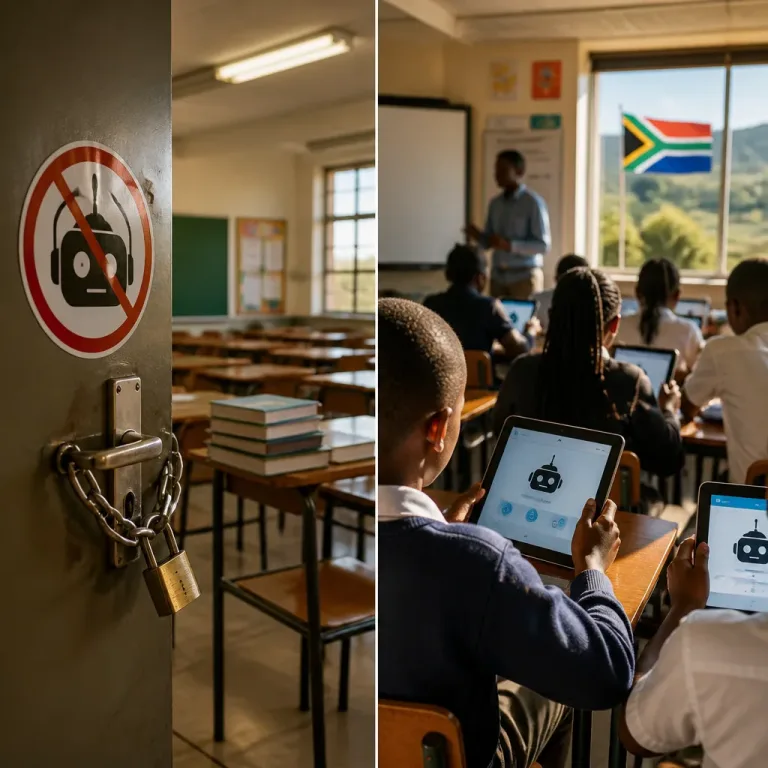
As universities worldwide rush to incorporate artificial intelligence into curricula and campus systems, a growing chorus of educators warns that technical skill alone will not produce the leaders society needs. According to a recent commentary, universities risk neglecting the human capacities that technology cannot replace — notably empathy, listening and imagination — if they over-emphasise analytic expertise and productivity.
Why empathy matters in higher education
The piece argues that genuine innovation begins not with tools but with the ability to understand people whose experiences differ from our own. Empathy, it says, allows students and staff to ask deeper questions, recognise unmet needs and design solutions that improve people’s lived experiences. These are qualities that are learnable and can be cultivated deliberately through how teaching, collaboration and learning environments are organised.
One historical example cited is industrial designer Henry Dreyfuss, who would present sketches upside down so people across a meeting table could better view them. That adjustment of process, the commentary suggests, functions as an act of empathy: altering one’s approach to improve another person’s understanding.
What universities can change
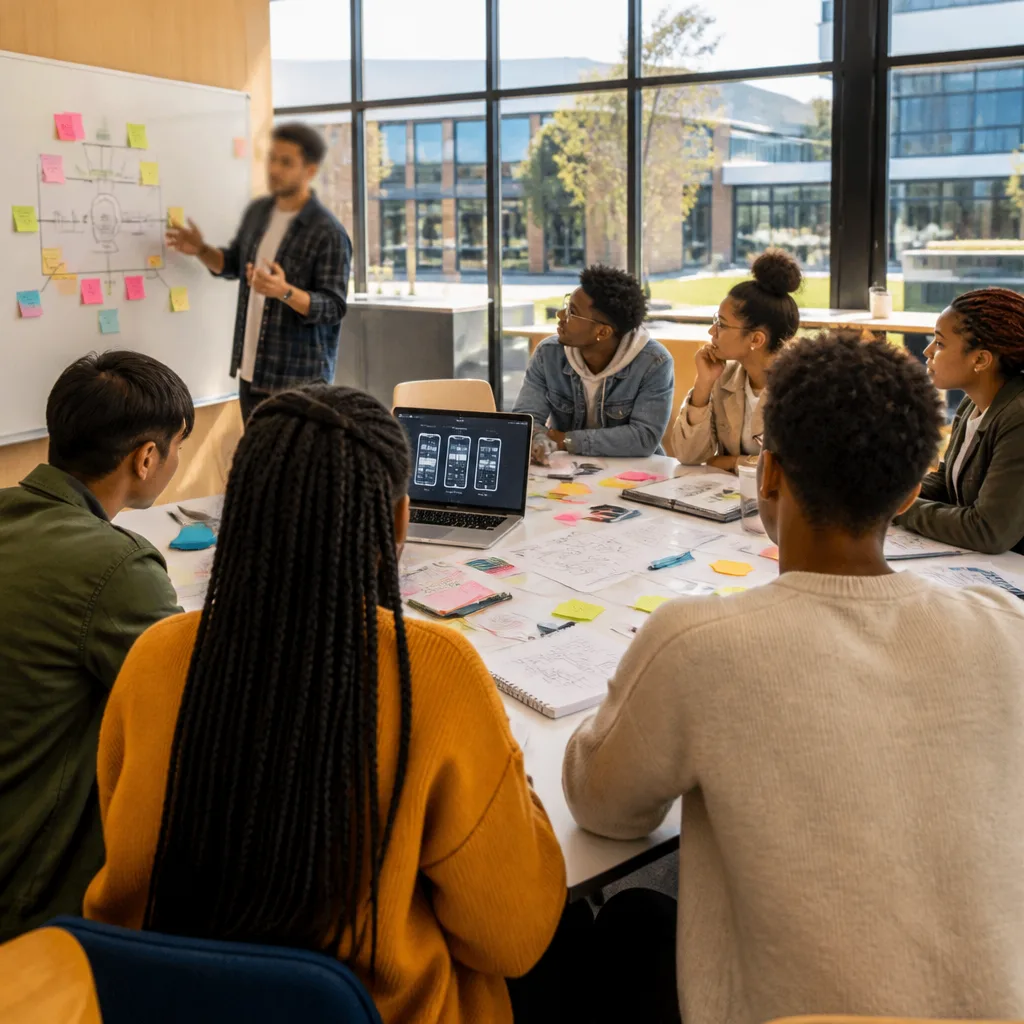
The recommendations are practical and pedagogical rather than technological. They call for curricula and assessment that reward interdisciplinary teamwork, perspective-taking and reflective practice as much as technical competence. In classroom practice, this means providing structured opportunities for students to engage with people from different backgrounds and disciplines, and to learn methods for listening and interpreting human experience.
- Embed interdisciplinary projects: Create sustained, assessed collaborations between faculties so students must negotiate different ways of thinking.
- Teach perspective-taking: Incorporate exercises and readings that build narrative imagination and critical listening skills.
- Design assessment for real users: Move beyond exams to evaluate how work meets real human needs through prototypes, fieldwork or community engagement.
These shifts do not require abandoning technical rigour. Rather, the argument is that technical knowledge becomes more meaningful and ethically responsible when paired with habits of mind that centre other people’s experiences.
Implications for South African classrooms and campuses
For South Africa, where universities operate in a context of deep social inequality and diverse languages and histories, the call to foreground empathy has particular force. Graduates who can engineer, code or manage but who lack the capacity to understand the communities they serve will be limited in their ability to contribute to inclusive development. Conversely, when universities prioritise listening and imagination alongside skill acquisition, graduates are better placed to design solutions that address unequal access to education, healthcare and public services.
Faculty workloads, funding models and national performance metrics often push institutions toward measurable technical outputs. The commentary suggests balancing those incentives with policies and incentives that nurture the less tangible — but no less vital — human capacities. That may include recognition for community-engaged teaching, tenure criteria that value interdisciplinary mentorship, and assessment frameworks that capture social impact as well as technical mastery.
| Area of focus | Practical step |
|---|---|
| Curriculum | Co-created modules across faculties with community partners |
| Assessment | Project-based evaluation with user feedback |
| Staff development | Workshops on facilitation, listening and inclusive pedagogy |
Embedding empathy does not offer a quick technological fix, but it does provide a direction for long-term improvement in how graduates contribute to society. For parents, teachers and policymakers who care about outcomes in classrooms and communities, the message is clear: preparing students for the jobs of the 2030s requires more than coding and calculation. It requires practice in understanding others and the humility to adjust solutions to fit people's realities.
As universities adopt new AI tools, safeguarding and cultivating human qualities will determine whether those tools lead to improvements in people’s lives or merely to more efficient but less humane systems. The commentary asks higher education to adopt an empathetic mindset as an organising principle — not as an optional add-on, but as central to how institutions teach, assess and measure impact.