News organisations around the world are changing how they make money and what they report, with notable consequences for specialist coverage such as climate journalism.
Specialist desks shrink as commercial pressures bite
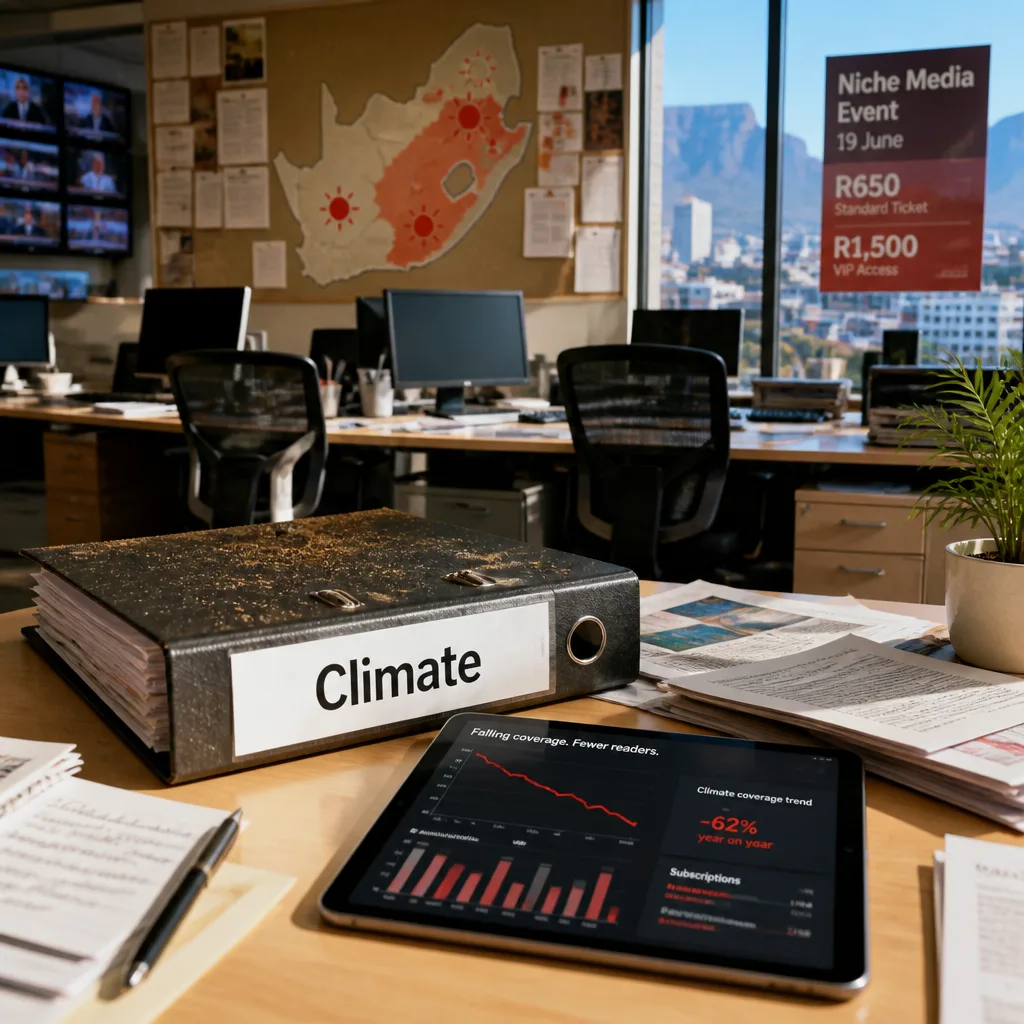
Around the United States, legacy outlets have cut back heavily on climate reporting this year: CBS News dismantled its last dedicated climate reporter role, the Washington Post reduced its climate team by 74% in February, and NPR folded its climate desk into the national desk after recent layoffs, according to the reporting. Independent tracker Grist estimates global climate coverage has fallen by 38% since its 2021 peak.
These reductions come at a time when extreme heat and other climate impacts are rising, increasing public demand for specialised reporting. The mismatch between public need and newsroom capacity is forcing editors and media owners to re‑think both costs and formats.
New models that work — but they are narrow
Several younger media ventures show alternative paths to sustainability. The reporting highlights a cluster of companies that have built viable businesses by narrowing their focus and diversifying income beyond advertising and subscriptions.
- Semafor reached profitability after three years by mixing editorial products with high‑yield live events.
- Puck grew its audience by aligning writer incentives with revenue generation, effectively tying pay to the business each journalist helps create.
- 404 Media operates as a worker‑owned outlet funded mainly through membership, prioritising community engagement over scale.
“Nostalgia Is Not A Strategy”
The phrase captures the central theme of the reporting: attempting to preserve yesterday’s broad‑reach newsroom model without reworking revenue and labour arrangements is unlikely to succeed. Instead, viable plays are narrower in scope, specialised in format and explicit about monetisation.
What this means for South African newsrooms and readers
For South African media — already under pressure from declining advertising, competition from global platforms and audience fragmentation — the lessons are stark. Specialised desks such as climate, investigative or labour reporting are costly to maintain but are the very beats that support public accountability and help households navigate risks from extreme weather, energy outages and economic dislocation.
At the same time, the emerging models point to practical options local publishers could adapt:
- Invest in distinctive formats (live events, short paid newsletters, or member‑only investigations) rather than trying to be all things to all people.
- Link journalist remuneration to audience or revenue outcomes where appropriate, while safeguarding editorial independence and labour rights.
- Explore cooperative or membership ownership structures to align funding with community priorities.
None of these are silver bullets. Live events and memberships demand operational skills and upfront investment; aligning pay with revenue can distort editorial incentives if not carefully governed.
Numbers show the scale of the problem — and the opportunity
The reporting documents sharp declines in climate staffing and coverage, but also commercial success stories that turned narrow focus into financial stability. For readers and policymakers this is a trade‑off: narrower, sustainable outlets may produce higher‑quality coverage in specific areas, but they do not replace the broad public service role of larger newsrooms.
| Item | Reported change |
|---|---|
| Drop in global climate coverage (since 2021) | 38% |
| Climate staff cut at a major US title | 74% |
For households, the decline in specialist reporting has real consequences. Climate coverage helps people prepare for heatwaves, floods and other hazards; investigative reporting exposes corruption and mismanagement that can affect service delivery and taxes. When those beats shrink, citizens and consumers lose vital information that shapes daily budgets and long‑term decisions.
Publishers who can marry a clear editorial proposition with diversified revenue — events, memberships, focused subscriptions — will be better placed to sustain those public interest beats. For regulators and funders, the challenge is to create a policy and funding environment that supports quality journalism without locking outlets into unsustainable models.
As the industry recalibrates, the core question remains: can media organisations preserve the public service roles that underpin informed markets and accountable governance while building financially resilient enterprises? The early answers suggest the future will be plural — a mix of narrow, sustainable outlets alongside fewer, better‑resourced generalists.
WE NEWS does not provide financial advice.