A young Roma woman who had no formal schooling at age nine later qualified as a cook, learned three languages and secured employment after a workplace internship and help from a public employment agency, according to the original report.
Education, confidence and a route to work
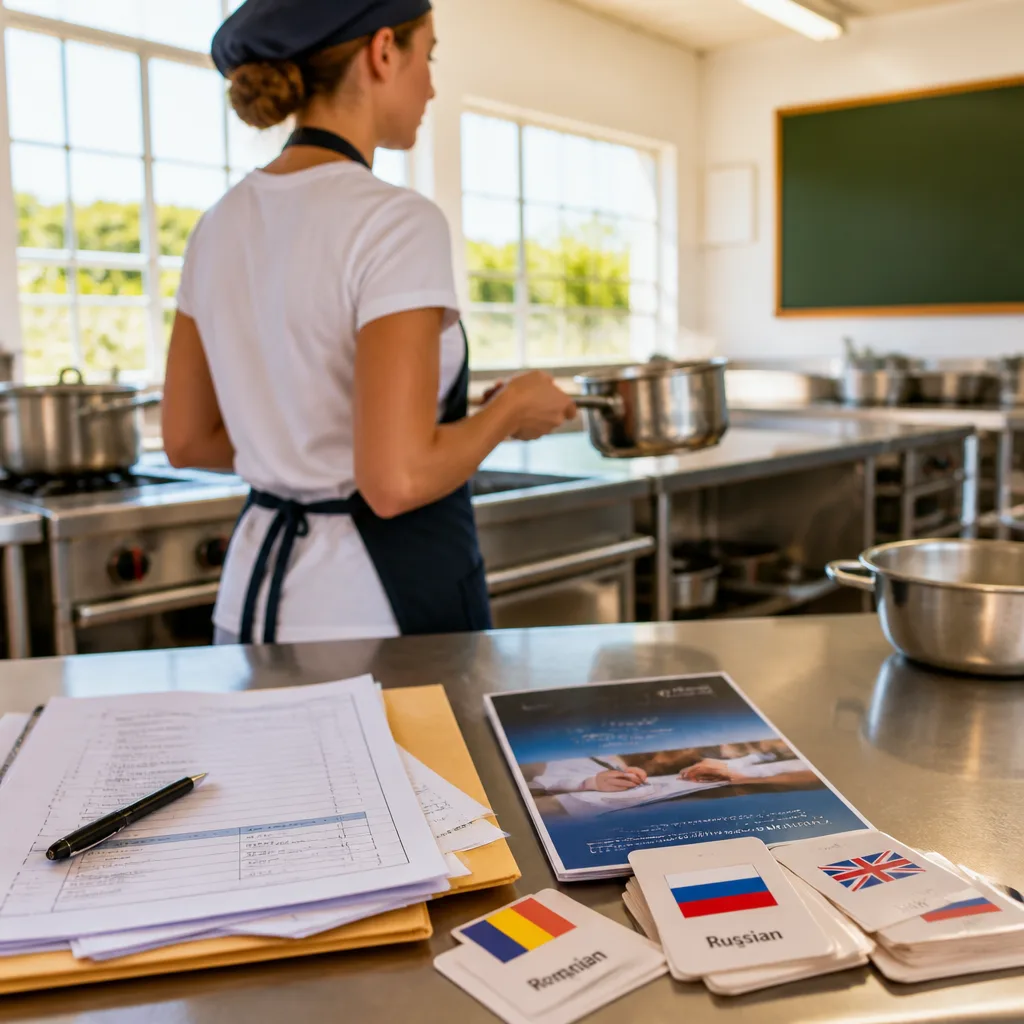
The woman studied at a vocational school in Bălți, where she obtained a cook qualification. Over time she learned Romanian, Russian and English, which helped broaden her opportunities. After finishing her studies, she approached the National Employment Agency (NEA) in Rîșcani for help finding work.
The NEA offered counselling and support for professional integration, including career guidance, assistance with preparing a CV and matching to internships. Staff suggested she take part in a two-month internship at a local restaurant called "Paradis". Following the internship she was hired by the same employer, a transition the agency regards as a successful example of active employment services leading to sustained work.
“At first, I was scared, because I had never been to the Agency before. I imagined you had to sit there with documents in your hands and answer many questions. But they welcomed me with a smile and treated me very well,” the woman recalled.
NEA officials described a package of services for young people. These include career guidance to help identify suitable professions, internships to provide practical experience, CV and job-search support, and follow-up measures to bolster confidence and labour market integration. The agency said these services are designed to help young people take their first steps into employment.
Practical skills plus support can change trajectories
The account underscores two linked themes familiar to educators and policymakers: skilled vocational training and personalised employment support together improve a young person's chances of gaining meaningful work. The combination of a technical qualification, workplace experience and active placement assistance reduced barriers that often keep young people from entering the labour market.
- Vocational qualification: Cook certificate from a school in Bălți.
- Language skills: Romanian, Russian and English.
- Support measures: Career guidance, internships and job-search assistance from the public employment agency.
| Skill/qualification | Detail |
|---|---|
| Languages learned | Romanian, Russian, English |
| Vocational qualification | Cook (vocational school, Bălți) |
For education practitioners and school-to-work programmes, the narrative offers a reminder: technical skills programmes are stronger when they link learners to real workplaces and when public employment services actively support transitions to jobs. Internships can provide practical experience that employers value, and follow-through from agencies can turn short placements into lasting employment.
At the centre of this story is the learner herself: someone who overcame a late start in schooling and, through practical training and supportive services, gained both work and confidence. That combination is a practical template for policymakers and education managers aiming to improve labour market outcomes for marginalised young people.
While this account focuses on one individual's journey, it reflects common obstacles many young people face—uncertainty about where to begin, lack of workplace experience and the need for personalised guidance. The interventions described—career counselling, internships and employer engagement—are scalable elements that education and labour departments can replicate to increase access to decent work for learners who do not follow a conventional schooling pathway.
By keeping learners, teachers and employers connected through practical placements and tailored support, vocational pathways can become more than a qualification: they can be a sustainable route into employment.