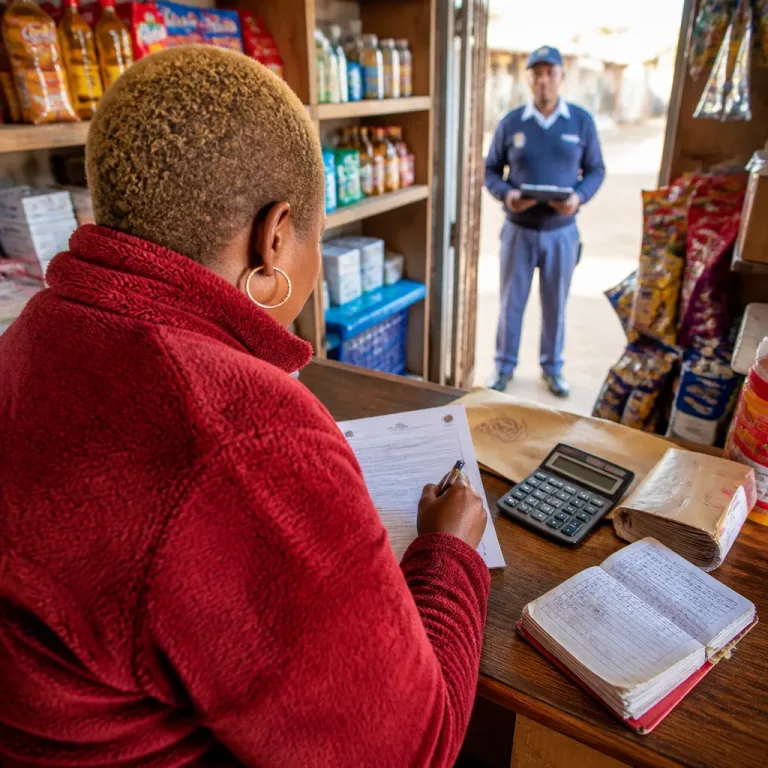
Vivien Wong quit a reported £80,000 a year accounting job at age 28 to start making mochi‑filled ice cream with her brother, a decision that is now widely cited by founders weighing the trade‑offs between steady employment and entrepreneurship. The BBC profile of Wong charts more than a decade of incremental growth that underpinned Little Moons’ later scale and visibility.
From family bakery to supermarket shelves
Wong’s background in her family’s bakery and her brother Howard’s collaboration provided the practical foundation for the business. The first five years of Little Moons, the story reports, were spent selling to restaurants and cinemas while the founders saved profits to reinvest in branding and retail expansion. That slow, cash‑conscious approach contrasts with the venture capital model of large, upfront raises.
The account emphasises three lessons Wong distils from her experience:
- Ship before perfection: adopt an "80‑20 rule" — get a product to market when it is about 80% complete and iterate with real customer feedback, rather than waiting to reach an unattainable ideal.
- Accept early sacrifices: be prepared for a period of significantly reduced personal income and broader personal responsibility — Wong moved in with her brother and did tasks ranging from IT to accounts herself.
- Know and defend your brand: be selective about opportunities that do not align with core brand values, even when a trend appears lucrative.
"Don't wait for perfection because that extra 20 is going to take you too long and you might miss the market," the BBC quoted Wong as saying.
What this means for prospective founders
The practical implications of Wong’s narrative are relevant for professionals and small‑enterprise owners thinking of starting consumer food brands. The BBC report shows that rapid consumer visibility — the kind fuelled by social platforms — often sits on a long runway of operational improvements and prudent reinvestment.
For those considering a similar leap, the profile highlights trade‑offs to plan for explicitly:
- Cash runway: expect an initial period of limited personal income and the need to reallocate household savings to the business.
- Skill breadth: founders frequently perform multiple roles (product development, equipment, IT, payroll) before hiring specialists.
- Market timing vs refinement: launching earlier can capture demand and provide real‑world feedback that guides product improvement.
Timeline and milestones
| Stage | Action reported |
|---|---|
| Early years | Operated from family bakery background; initial product development |
| First five years | Sold primarily to restaurants and cinemas; reinvested profits into brand |
| Later growth | Invested in branding and expanded into supermarkets; benefited from social media visibility |
The BBC article makes clear that the brand’s later surge in awareness — including viral moments on platforms such as TikTok — was not instantaneous but the result of cumulative choices about distribution and reinvestment.
Wong’s approach also offers a cautionary note: founders should be prepared to undertake uncomfortable tasks and to prioritise business needs over early lifestyle comforts. The report notes that Wong did company accounts on Sundays rather than immediately hiring a bookkeeper to conserve cash.
Context for South African entrepreneurs
While the story is about a UK‑based founder, the underlying lessons are universal. In South Africa, where many small and medium enterprises contend with limited credit access and volatile consumer demand, an emphasis on incremental growth, careful cash management and clear brand positioning can reduce early failure risk. Entrepreneurs here can take the pragmatic takeaway from Wong’s experience: measured, patient scaling can sustain long‑term resilience more effectively than a pursuit of rapid perfection.
Finally, while the BBC profile celebrates a successful outcome, it also implicitly warns that the founder journey requires sustained effort, a tolerance for financial sacrifice and the willingness to perform every role until the business can afford specialist help. Those trade‑offs are central to the decision whether to leave salaried employment to found a consumer brand.
WE NEWS does not offer financial advice; readers considering a major career or financial shift should consult professional advisers and assess their personal risk tolerance and household finances carefully.