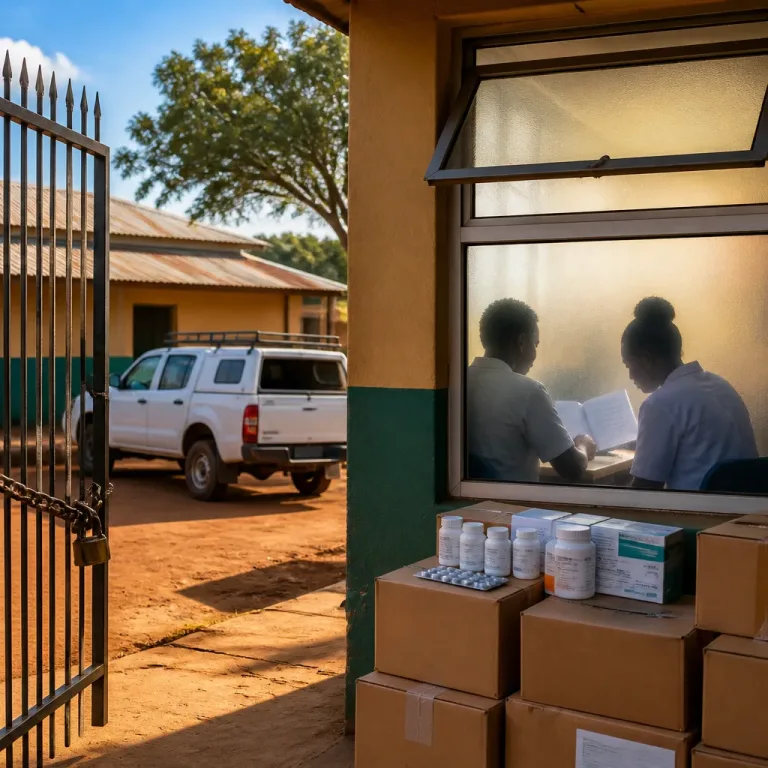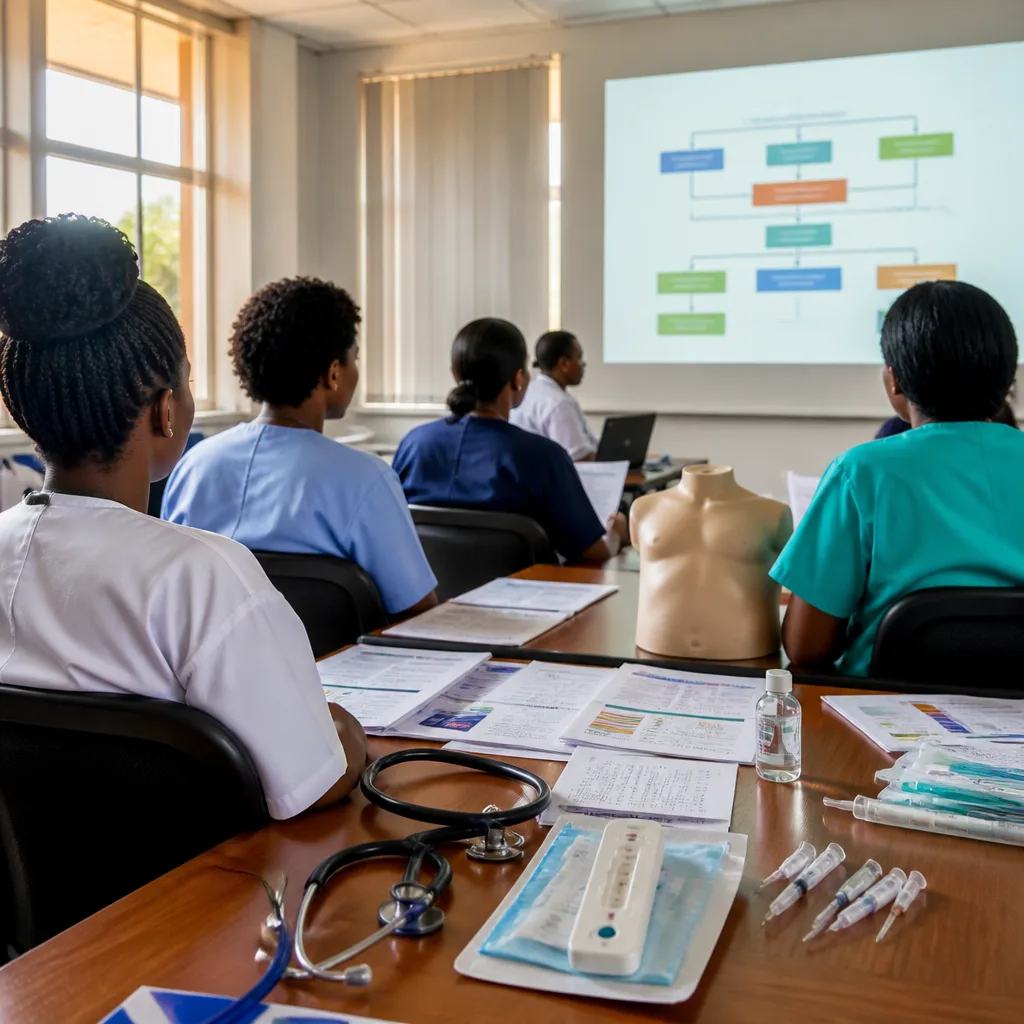
Lanet Regional Hospital in Kenya hosted a focused, four-day intensive training this month aimed at improving clinical care for people living with HIV, sexually transmitted infections (STIs) and viral hepatitis. The initiative, organised in collaboration with the National AIDS and STI Control Programme (NASCOP) and implementing partners, brought frontline clinicians together to apply national protocols more consistently and to strengthen practical patient-centred skills.
Practical skills and integrated care
The training emphasised the Kenya Integrated Guidelines for the Prevention, Treatment and Management of HIV, STIs and Viral Hepatitis, with sessions designed to reinforce early detection, precise management of co-infections and adherence counselling. According to the Ministry of Defence report, facilitators prioritised the practical application of national guidance so that clinicians can deliver care that is safer, more effective and consistent across routine practice.
Central to the programme was the model of integrated service delivery, which seeks to reduce fragmented care for vulnerable patients by ensuring that providers assess and address multiple, inter-related health needs during a single patient encounter. The report noted that participants deepened their ability to consider the patient’s overall experience and wellbeing, not just isolated conditions.
Focus areas and expected outcomes
- Early detection: strengthening skills to identify HIV, STIs and viral hepatitis sooner in clinical pathways.
- Co-infection management: sharpening clinical judgement for patients with multiple infections to avoid complications.
- Treatment adherence counselling: reinforcing techniques that support sustained engagement with therapy and long-term health.
- Prevention strategies: practical steps to reduce transmission and protect community health.
The Ministry framed the training as part of continuous professional capacity development, arguing that equipping clinicians with the right competencies improves patient outcomes, fosters compassionate care and enhances system resilience.
System-level benefits
By aligning clinicians around the national guidelines, the programme targeted structural gaps that can limit recovery and long-term wellness. The Ministry’s account highlights the role of standardised, evidence-informed protocols in protecting patients from unnecessary complications and empowering healthcare workers to act confidently and consistently.
| Item | Detail |
|---|---|
| Location | Lanet Regional Hospital |
| Duration | Four days |
| Focus | Kenya Integrated Guidelines for HIV, STIs and Viral Hepatitis |
| Organisers | Ministry of Defence, NASCOP and implementing partners |
Clinical training of this kind is consistent with broader public health approaches across the region that prioritise both technical skills and the human aspects of care. For clinicians, the reported emphasis on clinical judgement and practical application of guidelines is intended to reduce clinical uncertainty and variation in care, which can be especially important where resources and specialist support are limited.
Health managers and policymakers will be watching whether such targeted capacity building translates into measurable improvements in testing rates, retention in care and viral suppression for people living with HIV, as well as reduced complications from STIs and viral hepatitis. The Ministry’s report presents the training as one step towards those aims by strengthening the workforce to deliver integrated, evidence-based services.
Readers with concerns about HIV, STIs or viral hepatitis should consult local clinics, public health facilities or their healthcare provider for testing, treatment and counselling rather than relying on self-diagnosis.