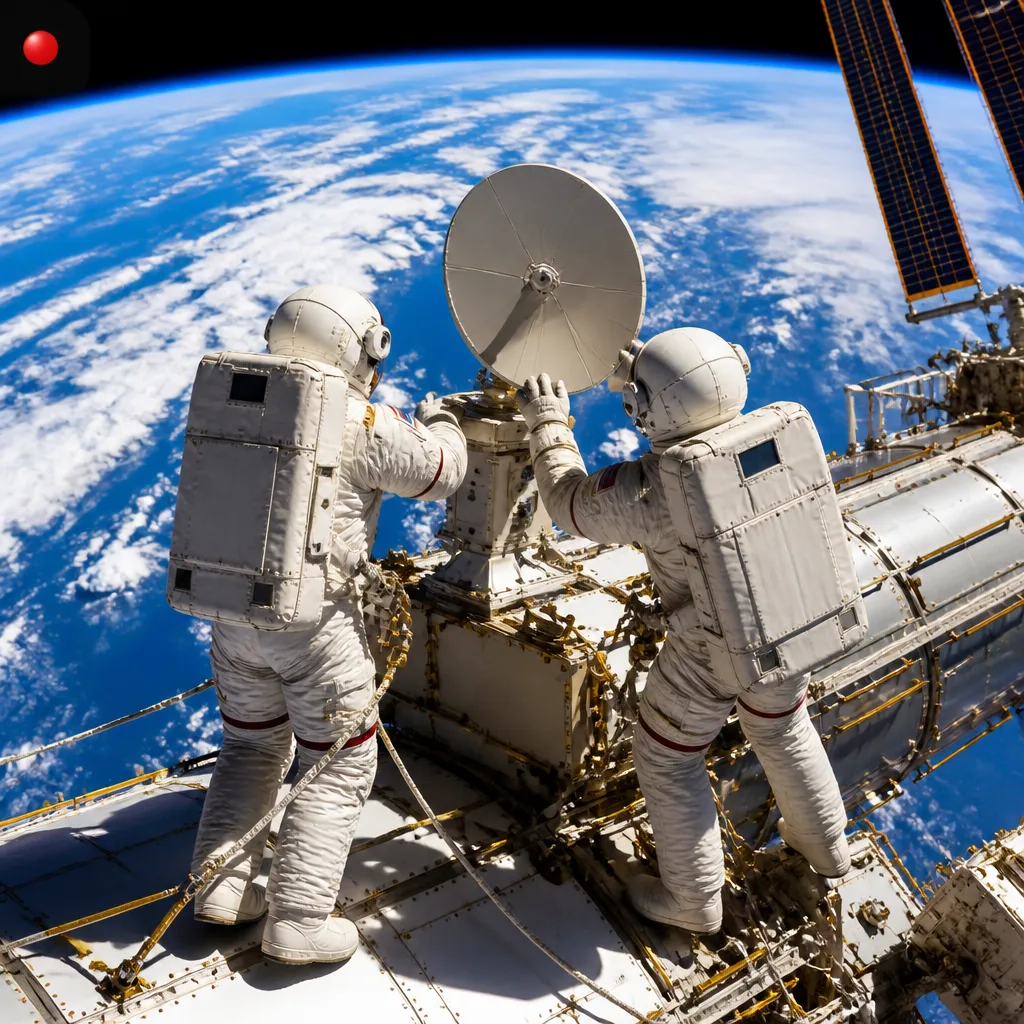
The European Space Agency (ESA) has scheduled a second spacewalk for astronaut Sophie Adenot on 25 August 2026 to install a spare Space‑To‑Ground antenna (SGANT) on the International Space Station (ISS), the agency reported.
Objective: restore communications redundancy
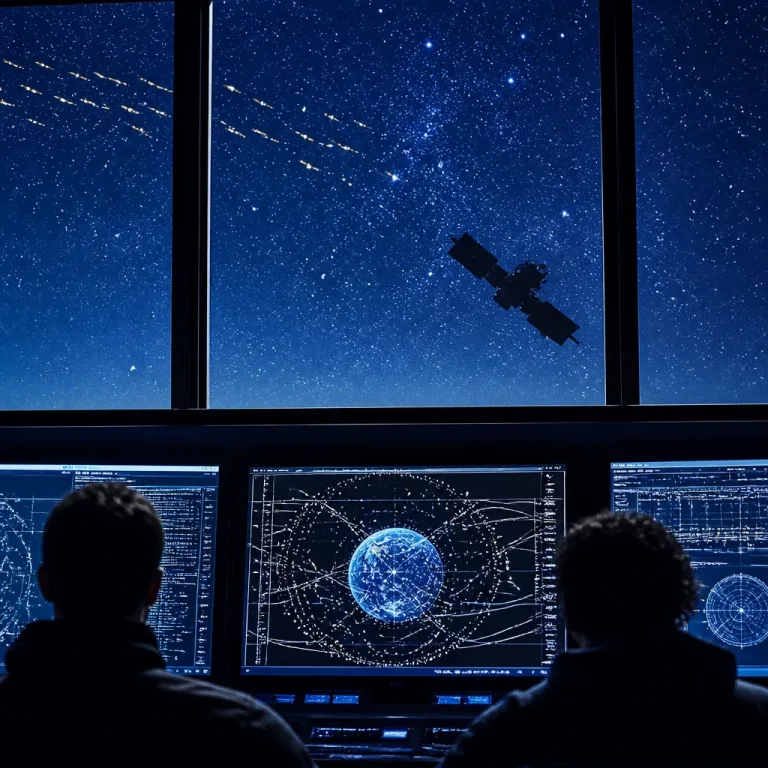
The spare antenna is needed to restore full redundancy for a critical communications system NASA uses to transmit mission data and support high‑speed links between the ISS and mission control in Houston. The SGANT system provides essential telemetry, voice and data capability between the station and ground.
ESA said Adenot will conduct the extravehicular activity (EVA) together with NASA astronaut Anil Menon. The pair are expected to spend about six and a half hours outside the station to install and connect the spare antenna. Their first EVA of the mission, on 18 August, removed the failed antenna but was delayed by stuck bolts and connectors, preventing installation of the replacement at that time, the agency reported.
How the day will unfold
- Live coverage will be available on ESA WebTV and ESA’s YouTube channel at 12:00 BST / 13:00 CEST, according to ESA.
- Adenot and Menon will exit the station from the Quest airlock at approximately 13:35 BST / 14:35 CEST.
- NASA astronauts Jessica Meir and Jack Hathaway will assist with suit preparations inside the station, and will operate the Canadarm2 robotic arm during the EVA.
- In EVA roles, Menon will be Extravehicular Crew Member 1 (EV1) and wear the red‑striped suit, while Adenot will be EV2 in a suit without stripes.
ESA reported that during EVA‑97 on 18 August Adenot and Menon completed the removal of the failed antenna; the follow‑up EVA (EVA‑98) aims to complete installation and connection of the spare unit to restore the station’s communications resilience.
| Fact | Detail |
|---|---|
| Planned EVA | EVA‑98 on 25 August 2026 |
| Previous EVA | EVA‑97 on 18 August 2026 (removal of failed antenna) |
| Expected duration | About 6.5 hours |
| Primary task | Install and connect spare SGANT |
| Live stream | ESA WebTV and ESA YouTube at 12:00 BST / 13:00 CEST |
Context and implications
Space‑to‑ground antennas are a vital part of station operations. They provide high‑speed telemetry and data links used for science data downlink, crew voice communications and coordination with ground teams. Loss of a SGANT reduces redundancy and can constrain operational flexibility for both routine activities and time‑critical tasks, particularly those that depend on sustained high‑bandwidth links.
Repairing such hardware on an orbiting complex requires careful choreography: astronauts must work in pressurised suits with limited mobility; robotic assets such as Canadarm2 are used for positioning and tool support; and ground teams must prepare procedures, checklists and contingency plans in advance. ESA’s schedule of two closely spaced EVAs reflects the need both to remove the failed unit and to complete installation of the spare once access issues — like the stuck bolts reported on the first EVA — are addressed.
The activity also highlights the international nature of the ISS partnership. Though the antenna system is a NASA asset, ESA astronauts and international colleagues routinely perform maintenance and repair tasks under coordinated flight rules. Restoring full redundancy reduces operational risk for the station’s scientific and engineering programmes.
For people who want to watch the EVA, ESA’s livestream information and the approximate timeline are available on the agency’s website and YouTube channel, the agency reported.