
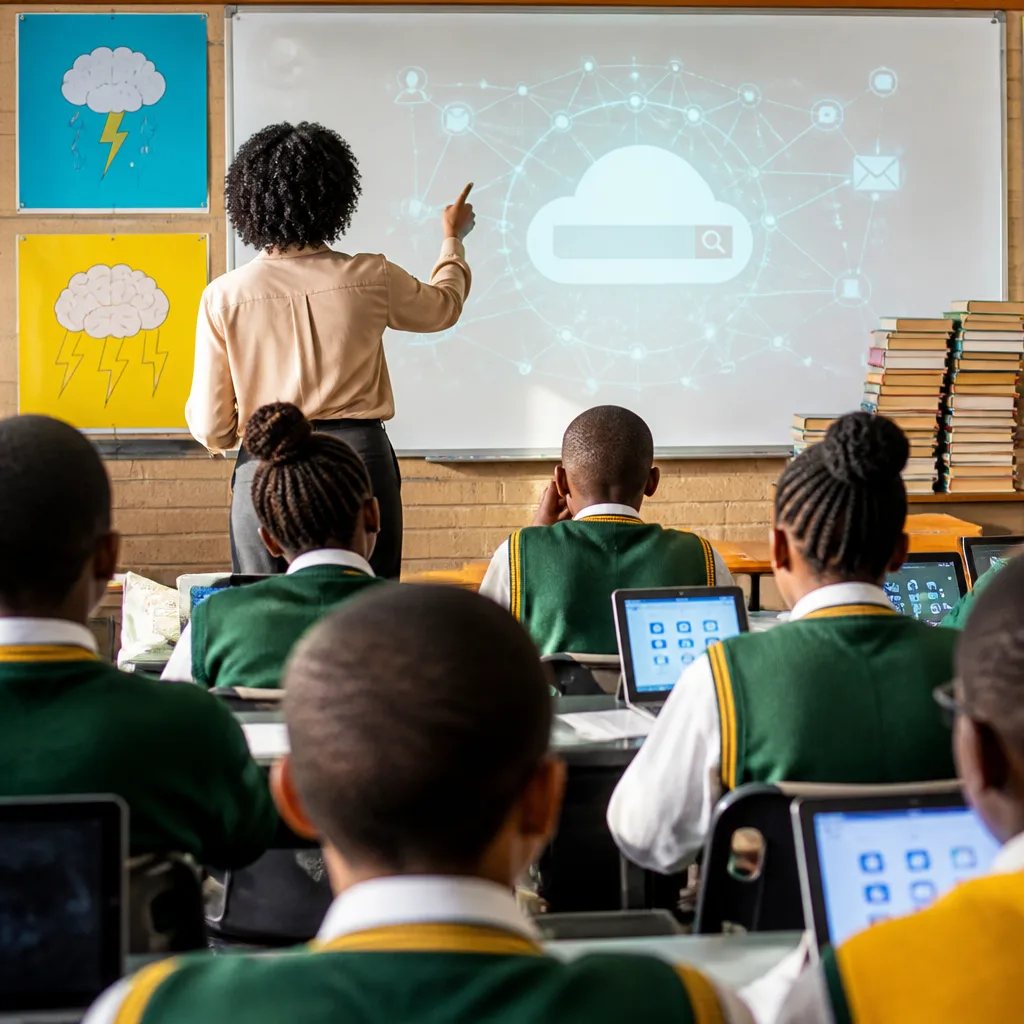
Calls for a fundamental rethink of schooling across Africa are gaining urgency as technology transforms how young people access knowledge. A presentation linked to Edu Revive 2026 contends that the continent’s education systems must abandon rote methods and adopt inquiry-based learning to help learners make sense of vast online information and the risks posed by artificial intelligence.
From monopoly of knowledge to democratised information
The presentation describes a shift where schools and teachers no longer hold a monopoly on information. Learners increasingly turn to the internet and AI tools for answers — commonly expressed as asking “
ask Google and ChatGPT” — rather than relying only on textbooks or adults in authority. That diffusion of information, the argument goes, requires a corresponding pedagogical change so learners can differentiate accurate material from misinformation and disinformation encountered online.
Proponents of the Edu Revive framing say the current education model across many African countries is in "dire straits" and needs renewal. The claim links persistent underdevelopment, youth unemployment and outward migration of skilled professionals with the need for more relevant, future-facing schooling.
Inquiry-based practices offered as a remedy
To counter rote memorisation, the presentation proposes inquiry-driven methods, anchored in two active learning mechanisms: questionstorm and diverstorm. These are presented as classroom tools to help students interrogate and organise the flood of data they face daily.
- Questionstorm: a collective process for generating and prioritising questions that guide learning.
- Diverstorm: a technique to expand perspectives and explore multiple possible explanations or solutions.
By foregrounding questioning and divergent thinking, the approach aims to shift assessment of learning from recall to critical engagement — an outcome that advocates say is better suited to a world where artificial intelligence can supply facts on demand.
Implications for South African classrooms
While the presentation speaks to Africa broadly, its core concerns are directly relevant for South African education. Teachers and curriculum planners here are already contending with the presence of AI tools, widespread access to online content, and ongoing debates about curriculum relevance after years of pandemic disruption. An inquiry orientation would place greater emphasis on critical literacy, source evaluation and problem-solving — skills that help learners use technology without being misled by misinformation.
Practical implications include teacher development in facilitation rather than delivery, changes to classroom assessment to reward inquiry processes, and curriculum adjustments that create space for open-ended investigation. The presenter frames these shifts as an "existential and pedagogical necessity" rather than optional innovations.
| Traditional rote approach | Inquiry-based approach |
|---|---|
| Teacher-centred delivery | Student questioning and exploration |
| Memorisation of facts | Critical evaluation of sources |
| Assessment by recall | Assessment by reasoning and inquiry |
Switching approaches would not be instantaneous. The presentation highlights the need for systemic supports: teacher training, assessment reform, and resources that allow learners to practise evidence-based inquiry. It also stresses the importance of preparing learners to navigate the dual realities of abundant information and the parallel rise of misinformation and disinformation.
For parents and communities, the pedagogical shift signals a new role in which adults help young people develop judgement about digital content rather than only transmitting settled facts. For policymakers, the message is that curriculum and assessment must reflect how knowledge is produced and consumed today.
As South Africa continues to debate the future direction of schooling, the Edu Revive 2026 perspective adds urgency to conversations about technology, teacher capacity and assessment. Placing learners at the centre of inquiry could strengthen their resilience in a fast-changing information environment, but it requires coordinated changes across classrooms and education systems.











