
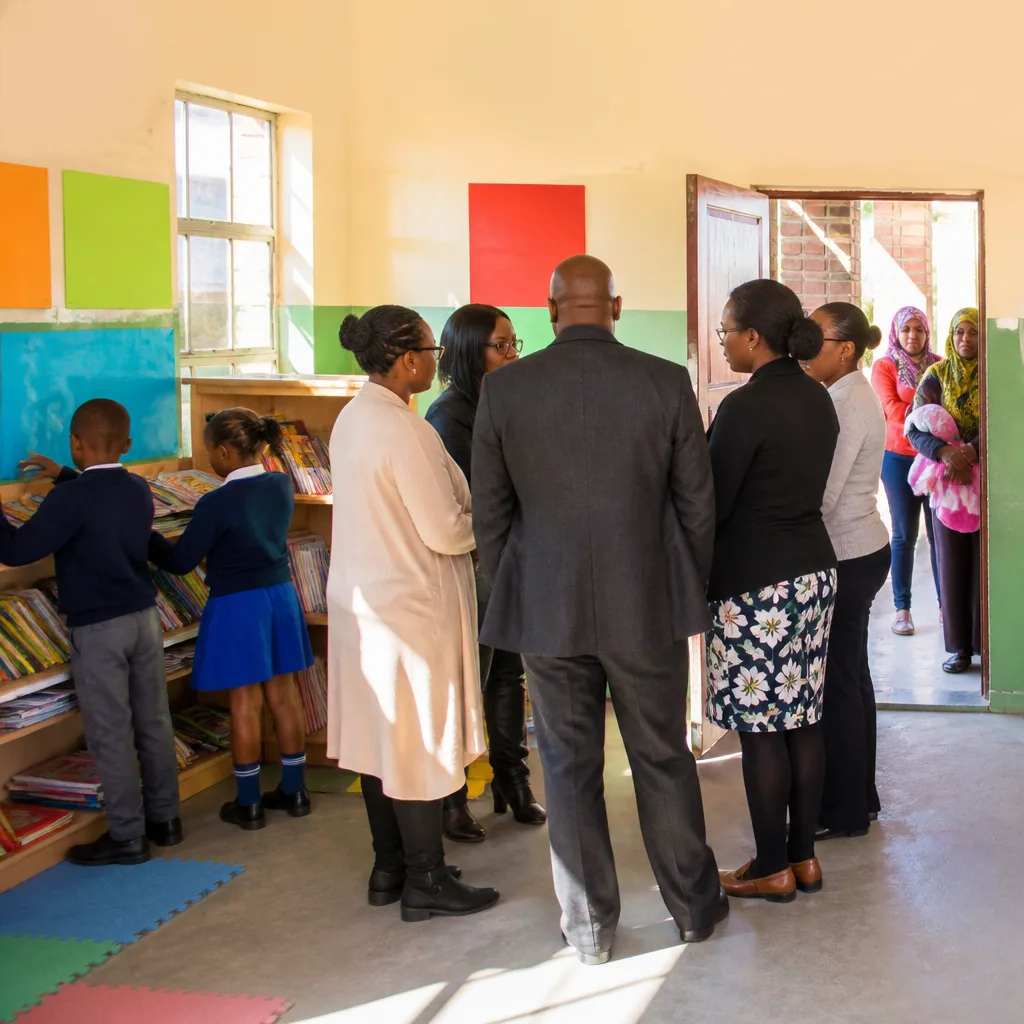
Educational change is most likely to stick when it begins at school level, not from government edicts, according to Michael Fullan, the veteran education reformer and former dean of the Ontario Institute for Studies in Education. In his recent book, Fullan updates themes from his decades of work and warns that broad international performance trends show education is struggling to improve.
From a small primary school to system lessons
Fullan uses the example of Benjamin Adlard Primary School in Lincolnshire — a highly deprived community — to show how local, participatory leadership can overturn long periods of decline. The school invited pupils from other schools to point out what was missing, and that feedback led to tangible changes in how the school organised its library and playground. That approach, Fullan argues, helped restore professional confidence and made the school a place where teachers and learners wanted to be.
“Love your employees: Change is ‘spirit work.’ It involves deep care and commitment to humanity – in education to well‑being and learning for all,”
Fullan contends that the 21st century has so far been “a flop” in education across many countries, noting a decline in performance in OECD nations. He calls recent decades a “sleeping decade” followed by a “deeply stuck” period, where traditional top‑down reforms have repeatedly failed to produce sustained improvement.
What rising from the bottom means in practice
The central thrust of Fullan’s updated argument is twofold: change must be rooted in professional practice at school level, and leadership should cultivate the conditions for teachers and communities to generate and share effective practice. He emphasises relational and participatory leadership, and warns against relying solely on managerial or technical fixes.
For South African policymakers and district education officials, the implications are immediate: central directives and policy packages remain important for equity and standards, but they are unlikely to close persistent gaps unless complemented by stronger school leadership, distributed professional learning and meaningful community engagement.
- Local leadership: Principals, teachers, parents and learners must be enabled to identify priorities and pilot changes.
- Professional confidence: Building teachers’ agency and craft is central to sustainable improvement.
- Care and relationships: Change is framed as “spirit work” that depends on trust, respect and attention to well‑being.
Numbers and classrooms
Fullan points to broad international declines as evidence that traditional reform strategies are not working. While national and provincial departments in South Africa focus on large‑scale initiatives to raise outcomes — from systemic curriculum support to district‑level interventions — this analysis underscores the need to measure impact where learning happens: in classrooms.
| Level | Role in change |
|---|---|
| School | Site of practice, experimentation and peer learning |
| District/Province | Facilitator of networks, capacity builder, enabler of resources |
| National | Sets equity goals, standards and funding, monitors outcomes |
Fullan’s writing offers South African education actors a reminder: to change outcomes at scale, reform must combine system‑level support with empowered, well‑supported practice in schools. That includes coaching for teachers, time for collaborative planning, and meaningful involvement of parents and learners — all grounded in care for the people who do the daily work of teaching and learning.
As the country continues to wrestle with uneven matric results, overcrowded classrooms and constrained resources, the practical lesson is clear: national and provincial work must be matched by deliberate investments in school leadership, teacher professionalism and community collaboration. Without that, reforms risk remaining policies on paper rather than improvements in learners’ lives.











