The California Assembly Appropriations Committee on Thursday voted to advance a measure that would establish a new state foundation to award up to $5 billion in grants and loans for scientific research across the state.
What the bill would do
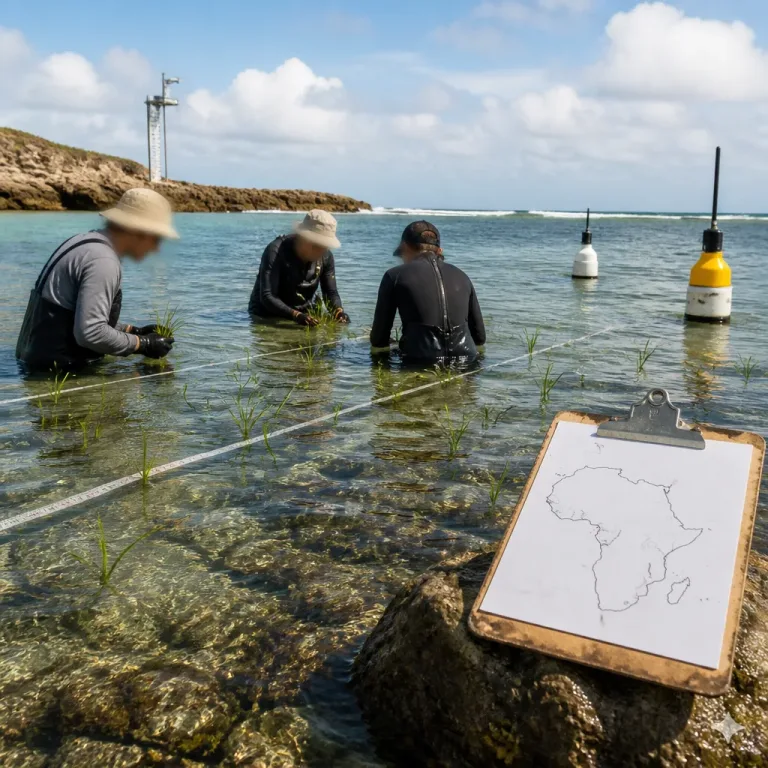
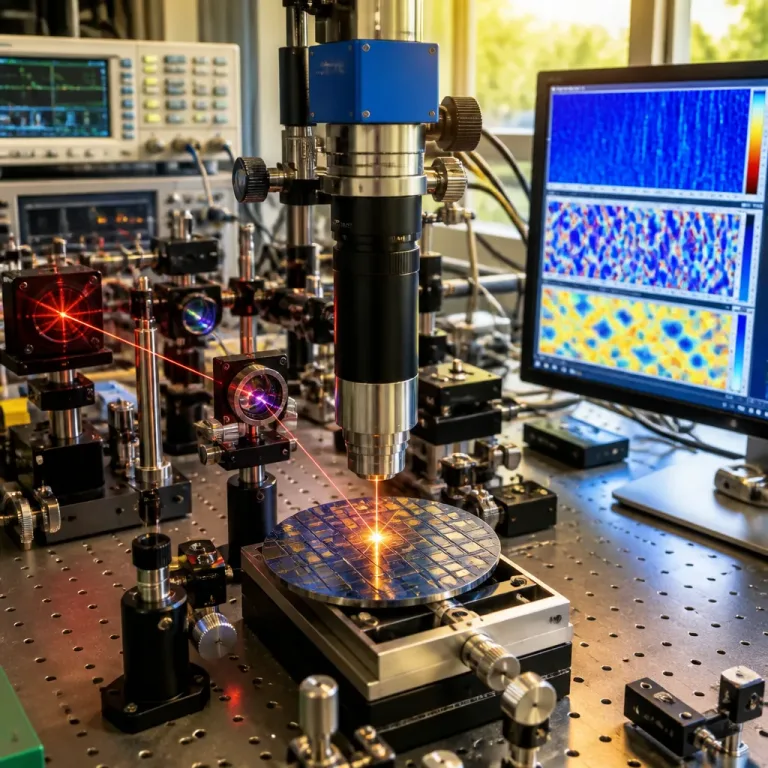
Known as the California Science and Health Research Bond Act (Senate Bill 895), the proposal would create the California Foundation for Science and Health Research. The foundation would distribute funding to public and private research institutions, including University of California campuses, to support research in areas such as biomedicine, public health, climate science and wildfire prevention.
The bill was amended to reduce its original size: lawmakers cut the proposal from an initial $12 billion down to $5 billion before the committee vote. The Appropriations Committee approved the amended measure on a 12-1 vote; two members did not vote.
| Committee vote | Count |
|---|---|
| Yeas | 12 |
| Nays | 1 |
| Did not vote | 2 |
Why supporters say it is needed
Backers frame the bond as a way to fill gaps left by federal funding disruptions and to sustain research considered critical for public health, climate resilience and other public-interest areas. The foundation would prioritise projects harmed by reductions in federal support, and would offer both grants and loans to eligible institutions.
- Target fields named in the bill include biomedicine, public health, climate science and wildfire prevention.
- The foundation could award funds to public and private research entities, including the University of California system.
- The measure aims to be responsive to recent federal actions that disrupted university grants.
Legislative path and timeline
The bill must still clear the Assembly floor and the state Senate before reaching the Governor’s desk. According to the roll call, the Legislature has until 31 August to pass the measure this session; otherwise it would need to be reintroduced next year. If the Assembly approves it by a two-thirds majority, the amended bill will be sent to the Senate for consideration and, if passed there, to Governor Gavin Newsom for signature.
Context: federal funding disputes
The proposed state-level response follows high-profile federal actions that disrupted research funding at a major university. In July 2025 the federal government froze $584 million in research grants to UCLA amid allegations relating to university policies. A federal judge subsequently restored most of those grants in August and September 2025, and ruled in November that the government could not freeze or threaten to freeze the university’s grants.
Those events have been cited in legislative discussions as evidence that research institutions can be vulnerable to federal intervention, strengthening arguments for state-level backstops or alternative funding streams.
Stakeholders and next steps
The bill was proposed in January by Senator Scott Wiener. The University of California Office of the President and Senator Wiener did not immediately respond to requests for comment, according to reporting. Rafael Jaime, president of United Auto Workers Local 4811 — a union representing more than 60,000 academic workers across the University of California system — said negotiations over the final bond amount would continue ahead of an Assembly floor vote, in an email to members reported by media.
Negotiations between the Assembly, the Senate and the Governor’s office will determine the bill’s final shape. If approved, the foundation would represent a significant state-level investment in research infrastructure and capacity, aimed at protecting and advancing scientific work that supports public health, climate resilience and other policy priorities.
For readers watching developments in publicly funded research, the bill will be a test of whether a major US state will step in to provide predictable research support where federal funding is viewed as uncertain.