Major business chambers in Hong Kong have urged the city to place the Northern Metropolis at the centre of its inaugural five‑year plan, while strengthening its role as an international financial centre and accelerating an artificial intelligence (AI) strategy, according to submissions filed during a public consultation that closed last week.
Development, finance and technology at the top of industry wish‑lists
The American Chamber of Commerce in Hong Kong (AmCham) and the Federation of Hong Kong Industries (FHKI) were among more than 16,000 submissions received by authorities, the organisations said. The five‑year blueprint — expected to be published in September — will align the city’s policy direction with China’s national 15th five‑year plan for 2026–2030.
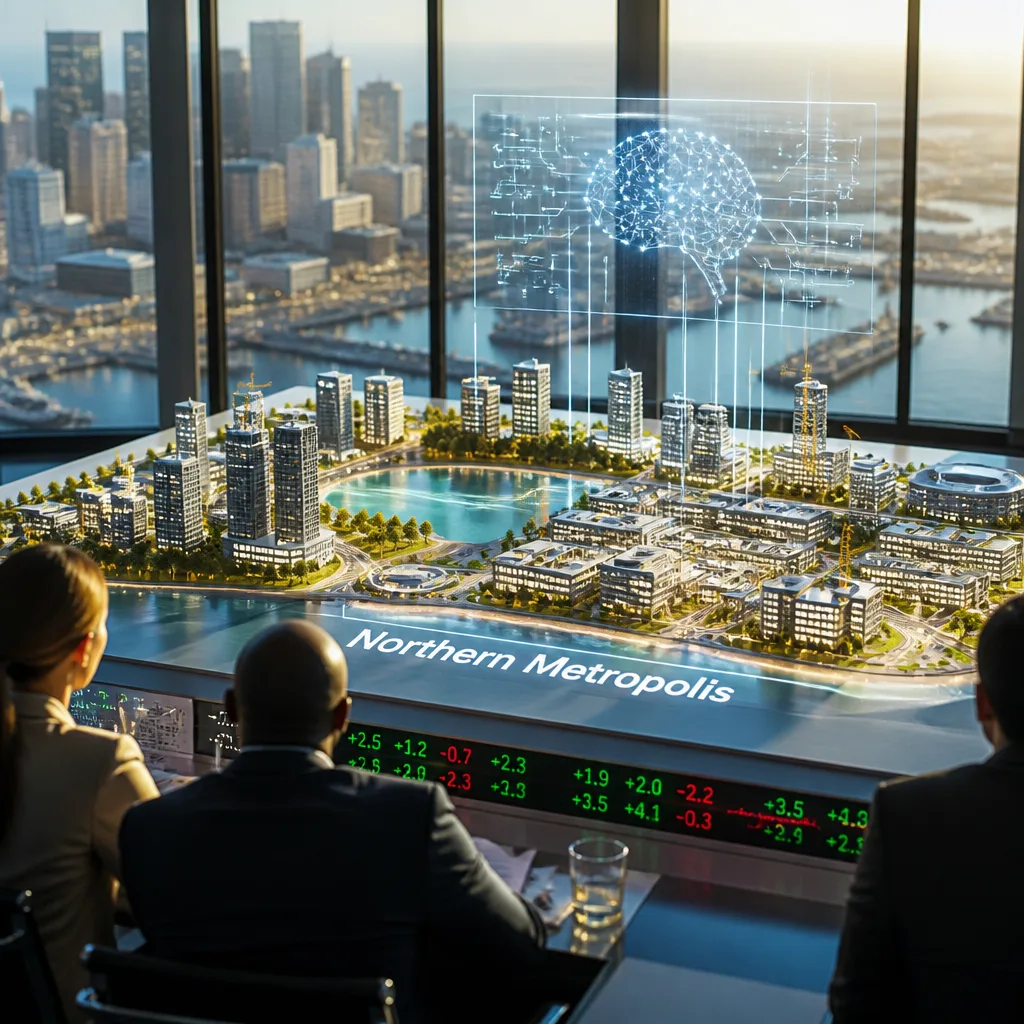
First announced in 2021, the Northern Metropolis is envisaged as a large‑scale, multi‑purpose project stretching along the mainland border. The scheme would develop roughly 30,000 hectares of land into an economic growth engine, a housing hub and a university town.
| Feature | Figure |
|---|---|
| Land area proposed for Northern Metropolis | 30,000 hectares (about 74,132 acres) |
| Submissions received in consultation | 16,000+ |
The FHKI emphasised that, over the next five years, the project should be steered by industrial development, corporate presence and employment outcomes. The chamber framed the metropolis not merely as a housing or infrastructure scheme but as an industrial and jobs catalyst.
“Over the next five years, the development of the Northern Metropolis should be guided by industrial development, enterprise presence and employment outcomes,” FHKI said.
AmCham recommended creating a single statutory entity to streamline coordination for the project and to facilitate public‑private partnerships. The American chamber also pushed for deeper financial integration within the Greater Bay Area by expanding Wealth Management Connect quotas and broadening the range of eligible products.
What it means for markets and households
For financial markets and institutional investors, a clearer governance structure and larger cross‑border wealth management quotas would lower transaction costs and expand product distribution across the Greater Bay Area. That could attract more capital flows into Hong Kong’s asset and private wealth management sectors.
For households and property markets, the Northern Metropolis’s emphasis on housing could ease pressure on supply if planning and delivery are effective. But realising housing benefits depends on the pace of development, land‑use policy, and whether industrial and employment objectives translate into local jobs — all factors flagged by industry groups.
- Scale: 30,000 hectares proposed for mixed use — housing, universities, industry.
- Governance: Call for a single statutory body to co‑ordinate delivery and public‑private partnerships.
- Finance: Suggestions to expand Wealth Management Connect and eligible products for deeper cross‑border asset flows.
The Hong Kong plan will be read closely by investors and regional governments. Aligning the city’s strategy with Beijing’s 2026–2030 plan could accelerate infrastructure and policy decisions, but it will also force trade‑offs between rapid development, environmental considerations and local housing affordability.
Authorities are due to publish the five‑year blueprint in September. Until then, the government will weigh thousands of public and private sector submissions, including the industry priorities outlined by AmCham and FHKI.
For South African readers tracking global shifts, the Hong Kong debate underscores how large‑scale urban projects and targeted tech strategies can reshape financial centres and regional economic linkages — with consequences for capital allocation, jobs and household living costs in the cities involved.
WE NEWS does not provide financial advice; readers should consult licensed advisers for investment decisions.