About 50 high school students from Japan and the United Kingdom took part in a four‑day international science workshop at Rikkyo University in Tokyo's Toshima ward from 4 to 7 August 2026, where they ran experiments, analysed results and presented their work in English.
Practical science and cultural history
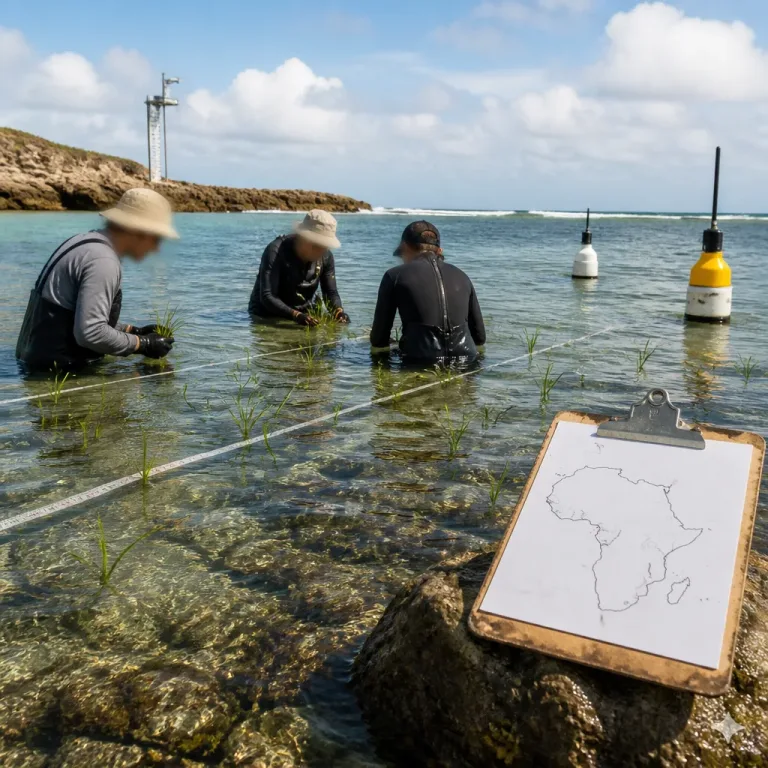
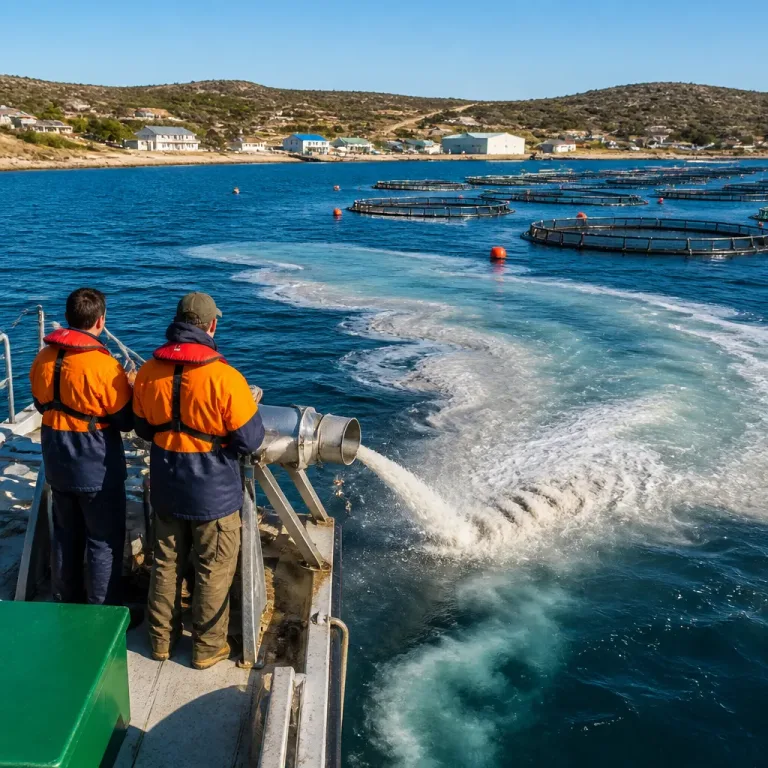
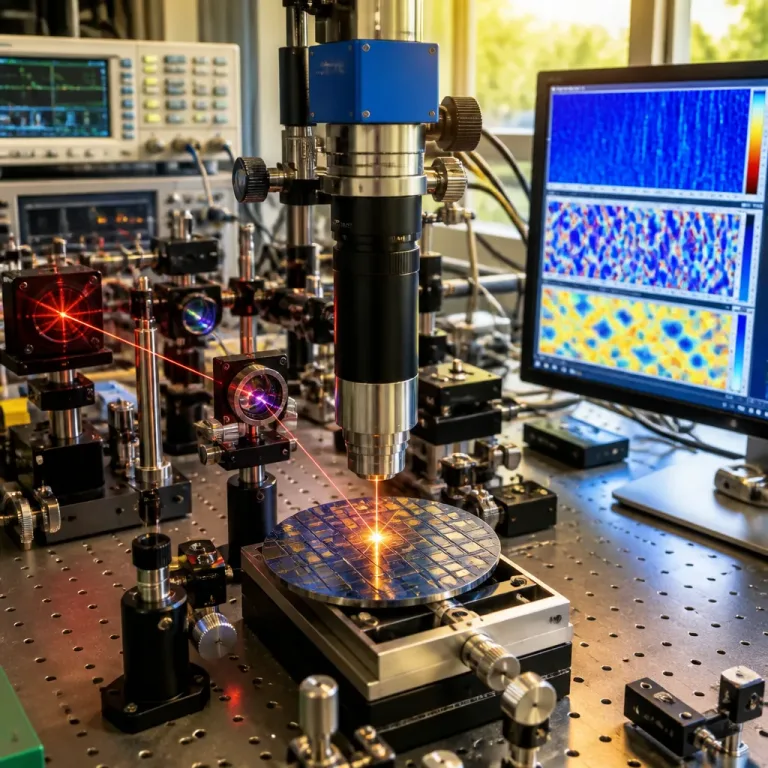
The event was the 32nd UK–Japan Young Scientist Workshop, a long‑running exchange initiated by Britain's Clifton Scientific Trust in 2001. Participants worked in small groups on seven different scientific themes, combining hands‑on laboratory work with data analysis and oral presentations.
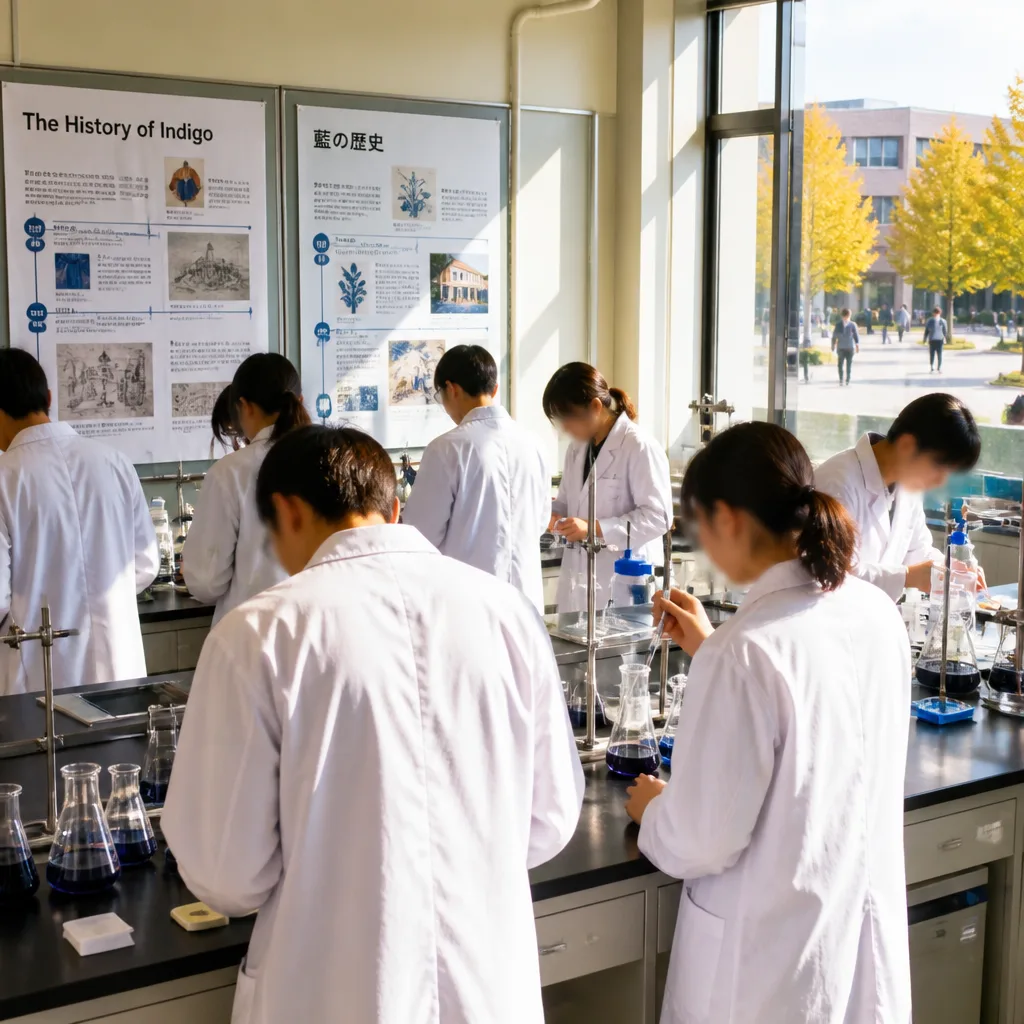
One group collaborated with Professor Mao Minoura of Rikkyo University's College of Science to synthesise indigo, a deep blue dye historically important in both countries. Organisers emphasised that the project combined chemistry with discussions of cultural and historical context: the history of indigo production connects to British colonial involvement in India, while Japan has its own traditions of indigo dyeing.
"A single chemical reaction can change history and culture," Professor Minoura said.
Student experience and language challenge
Students conducted experiments, recorded observations and on the final day delivered presentations in English. The language requirement added an extra layer of difficulty: technical terms had to be understood and expressed in a second language, which organisers said was part of the learning objective.
Itsuki Miyata, a second‑year pupil at Kyoto Seibo Gakuin High School, described the challenge and the benefit. "It was challenging because even the technical terms were explained in English. But I was able to ask the British students questions and become friends with them," Miyata said. He added that the exchange offered a broad range of experiences.
Why these workshops matter
International science exchanges at high‑school level serve several educational purposes:
- They reinforce practical laboratory skills, such as experimental technique and data recording.
- They encourage scientific communication in English, the lingua franca of much modern research.
- They situate scientific topics within cultural and historical narratives, helping learners appreciate broader impacts of technology and chemistry.
| Detail | Information |
|---|---|
| Event | UK–Japan Young Scientist Workshop (32nd edition) |
| Dates | 4–7 August 2026 |
| Location | Rikkyo University, Toshima, Tokyo |
| Participants | About 50 high school students |
| Activities | Seven science themes, laboratory experiments, presentations in English |
Implications for South African science education
Although the workshop took place in Tokyo, the model holds lessons for South African schools and policymakers. Practical, inquiry‑based learning linked to broader social and historical context can strengthen learner engagement — particularly in subjects such as chemistry that are often perceived as abstract.
Equally, the experience highlights the value of international contacts and English‑language scientific communication for learners who may go on to study or work in global teams. Such exchanges can deepen understanding of how scientific developments interact with history, commerce and culture — for example, how a dye‑making reaction became bound up with trade and colonialism.
Organisers did not publish detailed assessment outcomes for the event, so it is not possible to quantify learning gains from this edition. Still, participants described benefits ranging from improved technical confidence to new friendships across national lines.
Workshops like this are one small strand in a larger effort to make science education more collaborative, context‑aware and practice‑based. For countries strengthening their STEM pipelines, the combination of hands‑on work, communication practice and historical perspective is worth noting.
Key factual points
- About 50 Japanese and British high school students attended the four‑day workshop in Tokyo.
- They worked on seven science themes, culminating in English presentations.
- A team synthesised indigo and discussed its chemical, cultural and historical significance.