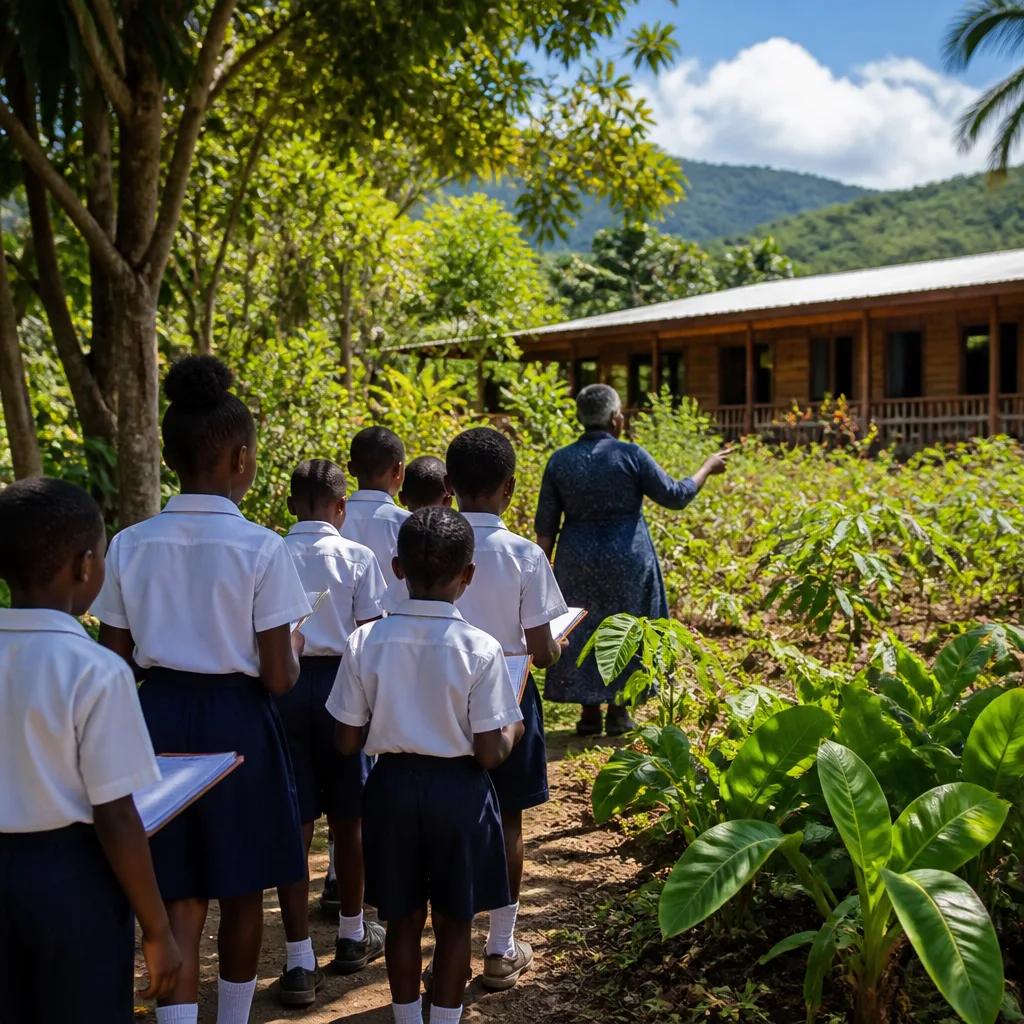
Corôa Vermelha Indigenous State School (Colégio Estadual Indígena Coroa Vermelha) in Santa Cruz Cabrália, southern Bahia, has been chosen as one of five Brazilian schools to participate in UNESCO’s international initiative Transforming Futures: Enhancing Practice for ESD for 2030 through Action Research, the UN agency reported.
Learning shaped by ancestral knowledge and community practice
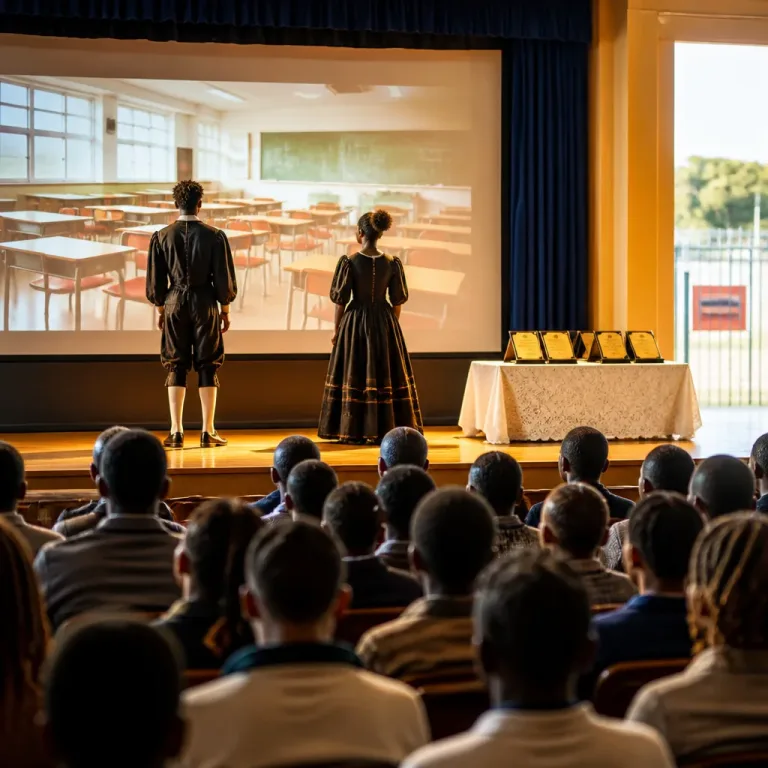
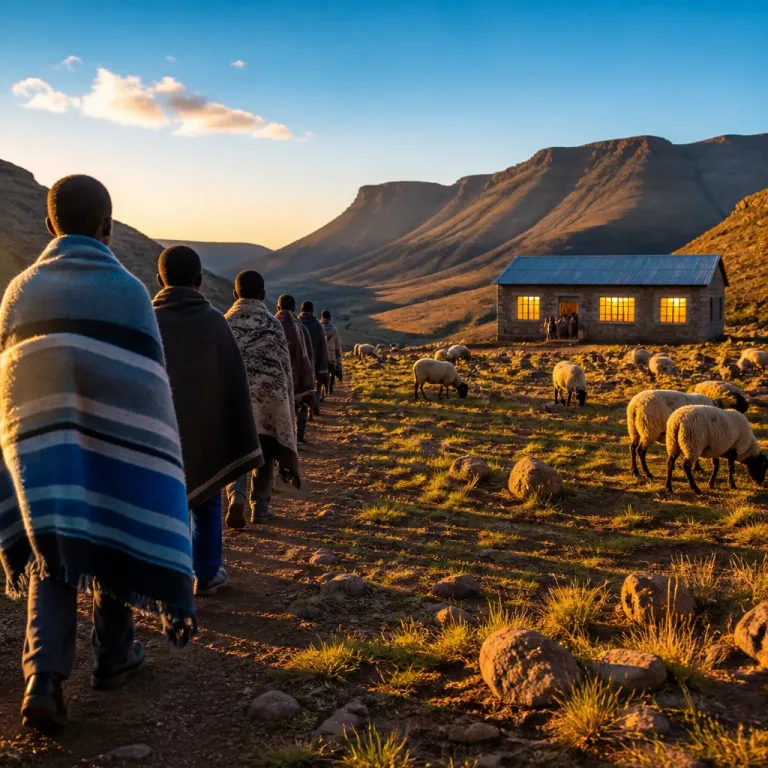
The UNESCO report describes a school where teaching and knowledge production emerge from the interaction of multiple worldviews: the ancestral wisdom of the Pataxó people, scientific inquiry and a pronounced commitment to sustainability. Classroom learning frequently crosses into community and landscape: pupils may walk through the forest with an Indigenous Elder, listen to a traditional healer explain medicinal plants, observe cassava cultivation or engage with community leaders to learn about the cultural and territorial meaning of place.
UNESCO said the selection of the Coroá Vermelha school enabled it to connect with an international exchange network dedicated to building more sustainable futures, and allowed the institution to pilot and review newly developed guidance tools for Education for Sustainable Development (ESD).
Action research and whole‑institution approaches
The Transforming Futures project, coordinated by UNESCO across 10 countries, supports participating institutions in strengthening teaching and learning practices for ESD through action research and the use of recently developed guidance tools. Rather than imposing a single model, organisers asked schools to identify and reinforce practices already embedded in their daily life.
Key areas of focus in the pilot include:
- Whole‑institution approaches to mainstreaming sustainability across school governance, curriculum and community relations;
- ESD pedagogies that draw on local knowledge, participatory learning and place‑based activities;
- Assessment of ESD learning outcomes, to better capture sustainability competencies and community‑centred knowledge.
The project selected five Brazilian institutions to participate: the Coroá Vermelha Indigenous State School in Bahia and four other schools located in Rio Grande do Sul, Rio de Janeiro, the Federal District and Pará. These schools are part of the UNESCO Associated Schools Network (ASPnet).
From local practice to international exchange
UNESCO emphasised that the pilot was not about transplanting pre‑established curricula. Instead, the initiative recognised and strengthened practices that were already present in each school community. For Coroá Vermelha, sustainability, Indigenous identity and learning were already deeply interconnected — a foundation the project aims to reinforce and share within an international network of practitioners.
By using action research, teachers and school leaders document, test and refine ESD practices in situ. UNESCO’s guidance tools support this iterative process, helping educators translate local knowledge and cultural practices into pedagogical strategies and measurable learning outcomes.
The initiative underscores two policy‑relevant points for education systems internationally: first, that sustainable development education can be rooted in lived cultural knowledge rather than imported frameworks; and second, that assessment of ESD requires tools that capture competencies beyond standard subject tests.
| Item | Detail |
|---|---|
| Project | Transforming Futures: Enhancing Practice for ESD for 2030 through Action Research |
| Coordinator | UNESCO |
| Countries involved | 10 |
| Brazilian pilot schools | 5 (including Coroá Vermelha) |
For teachers and school leaders, the report offers practical lessons: engage community elders and knowledge holders as co‑educators; design learning experiences that use the local environment as a classroom; and integrate sustainability across school practices rather than treating it as an add‑on.
For parents and policy planners, the pilot highlights the importance of recognising diverse knowledge systems in formal education and developing assessment tools that reflect sustainability competencies, not only content recall.
"Rather than introducing a pre‑established model, the project recognised and strengthened practices that were already embedded in the school community’s everyday reality," UNESCO reported.
The Transforming Futures pilot in Brazil offers an illustration of how place‑based, culturally rooted education can inform international efforts to meet the ESD goals set for 2030. Its outcomes — in classroom practice, assessment approaches and community partnerships — will be watched closely by educators and policymakers interested in making sustainability education both locally meaningful and globally comparable.