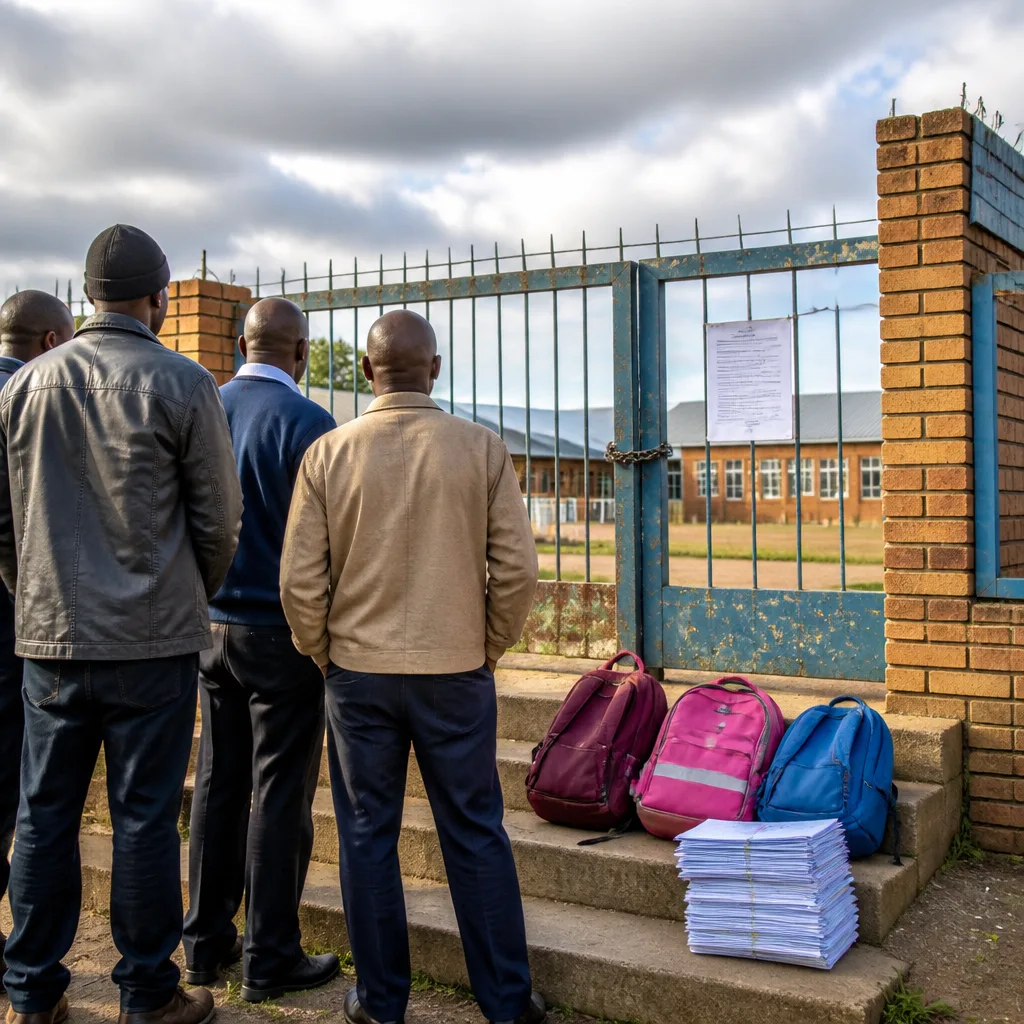
KABUL — Fathers across Afghanistan are reporting deep distress after the Taliban's ban on girls attending secondary school, a prohibition that began in March 2022 and remains in force despite repeated assurances from the authorities that it is temporary, AFP reported on 11 August 2026.
Emotional toll on families and teachers
AFP's reporting, based on interviews conducted nationwide, described men who are struggling to reconcile their religious beliefs with the impact of the ban on their daughters. Many said they had supported schooling for girls and see education as a core part of a child's future. Nine out of 10 Afghan men surveyed by the United Nations last year said secondary schooling for girls was important, and nearly two-thirds considered it "pious" for a father to support a daughter's education, the report noted.
Among the voices cited was an engineer identified as Ahmad, whose wife — formerly a secondary school mathematics professor — is no longer permitted to teach. He said he could not imagine that "one day my daughters would be illiterate" and warned that stopping education at sixth grade would leave them unprepared for the demands of the 21st century. AFP is protecting the identities of interviewees.
"You will never find in the Quran that education is only for men," one devout father told AFP.
Scale of the disruption
The UN estimates that "at least one million girls have been directly affected by the restrictions on secondary education" since the measures began. Girls were banned from attending secondary schools in March 2022, and universities later that year were closed to young women.
The Taliban government, which returned to power in 2021, defends the ban on the basis of its interpretation of Islamic law, AFP reported. The authorities did not respond to AFP's questions about the policy. Despite maintaining it is temporary, the restrictions have now been in place for more than four years.
Consequences in classrooms and communities
The ban has immediate and long-term consequences:
- Learners: Girls are prevented from continuing formal secondary education and from accessing university-level studies, curtailing qualifications and future employment prospects.
- Teachers: Female teachers have lost work; some subject specialists, such as secondary mathematics instructors, can no longer teach in their fields.
- Families: Parents report psychological distress, sleeplessness and anxiety about their children’s futures; some fathers have been jailed for protesting the restrictions.
Those effects were illustrated by AFP's interviews: fathers described clandestine efforts to keep daughters learning, while others weighed the risks of public protest. AFP reported that some men have been imprisoned after taking part in demonstrations against the ban.
Numbers in context
The UN survey finding that a large majority of Afghan men value secondary schooling for girls provides context to the personal accounts AFP gathered. That public support contrasts with the official policy and underlines a disconnect between many families' aspirations and government restrictions.
| Measure | Detail |
|---|---|
| Ban on secondary schooling | Implemented March 2022 |
| Universities closed to women | Late 2022 |
| Estimated girls affected | At least one million (UN estimate) |
| Public opinion (men) | 9 in 10 say secondary school for girls is important; ~2/3 see paternal support as pious (UN) |
The disruption to education also has broader social and economic implications. Interrupted schooling reduces the pipeline of skilled workers, constrains women's participation in the labour market and leaves communities without female teachers and professionals who play critical roles in education and health.
What this means for policymakers and education actors
For international actors monitoring the situation, the UN's estimate offers a scale for humanitarian and education planning. For families and communities in Afghanistan, the immediate challenges are practical and emotional: how to preserve learning, protect teachers' livelihoods and keep pathways to future qualifications open if and when formal schooling resumes.
AFP's reporting underscores an urgent question for those concerned with education rights: how to support the learning and wellbeing of a generation of girls and young women who have been sidelined from formal secondary and tertiary education for several years.