New Delhi: A social media-born satirical movement that began in May has rapidly evolved into a nationwide youth pressure group, tapping into frustration over employment and education and forcing at least one high-profile political casualty, the Business Times reported.
From parody to protest
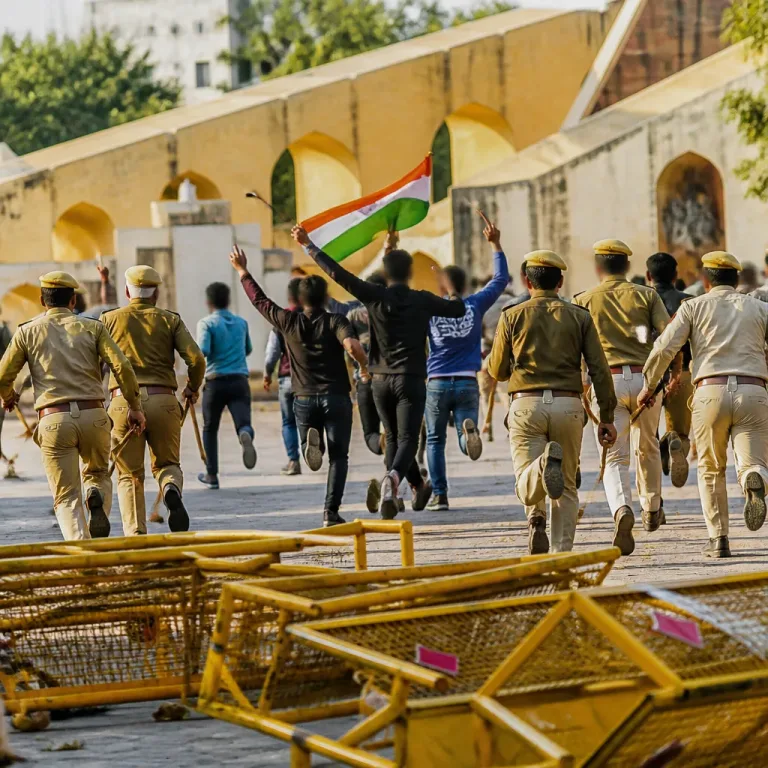
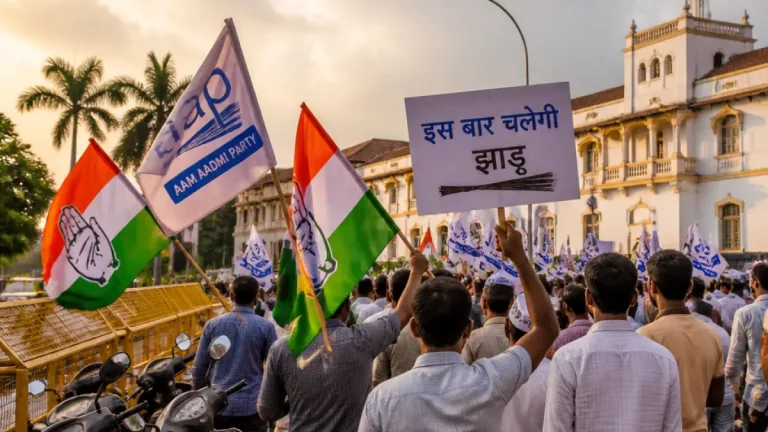
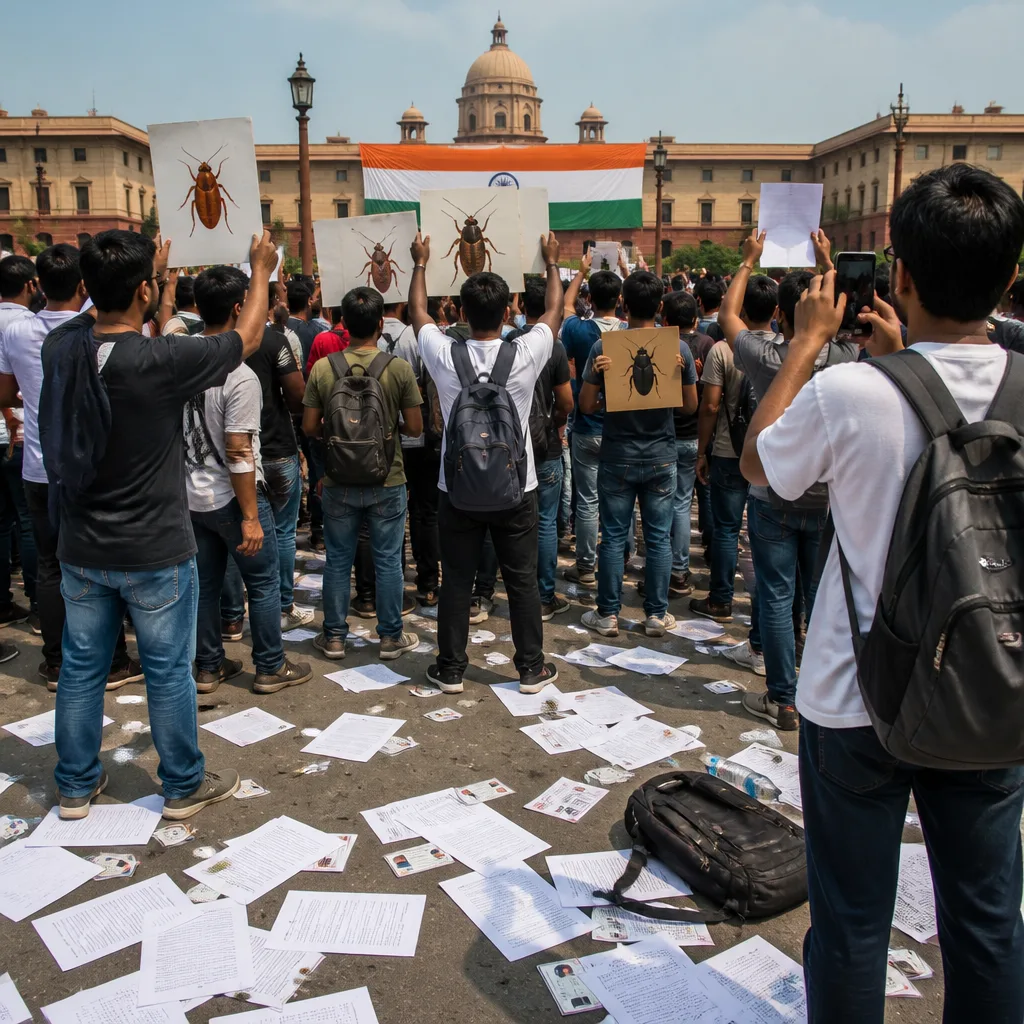
What began on 16 May as a parody political outfit called the Cockroach Janta Party (CJP) has attracted a substantial following online and translated into street protests across major cities, the report said. The movement — initially framed as a humorous response to remarks by a senior judge — has broadened its agenda to focus on education, jobs and government accountability.
The CJP account has amassed close to 27 million Instagram followers, according to the Business Times, exceeding the social-media following of some established political parties and signalling significant reach among young Indians.
Trigger and early leadership
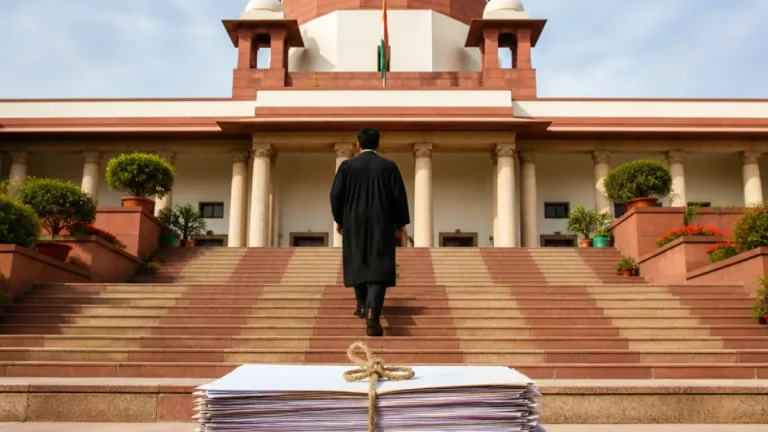
The immediate trigger was remarks by Supreme Court judge Surya Kant in which some unemployed young people were described as "parasites" and "cockroaches" during a court hearing. The comments provoked widespread online anger; the judge later said parts of the media had misrepresented his words, the report added.
"parasites" and "cockroaches"
A parody website created by Abhijeet Dipke, a 30-year-old graduate student abroad, framed the CJP as a political home for the "lazy, unemployed and forgotten" — a self‑mocking label that resonated widely, the Business Times reported. The movement gained momentum when activists including climate engineer Sonam Wangchuk took public actions such as hunger strikes to demand accountability in the education system.
Immediate political consequences
The CJP’s mobilisation coincided with a high-profile exam scandal that culminated, on 25 July, in the resignation of Union Education Minister Dharmendra Pradhan, the report said. Organisers and supporters have used protests and social-media campaigns to press for systemic changes in recruitment and examinations.
Officials in New Delhi are reported to have taken note. The government tightened penalties for leaking examination papers in late July, and Prime Minister Narendra Modi addressed youth concerns during his Independence Day speech in mid-August, moves the Business Times described as responsive to the growing sentiment among young voters.
Why it matters politically
Analysts and observers quoted in the report suggested the movement matters because it taps into a structural challenge: India continues to struggle to create sufficient high-quality jobs for the millions entering the workforce each year. The CJP’s appeal lies in combining satire with organised protest, allowing young people to coalesce around immediate grievances — from alleged examination irregularities to broader employment anxieties.
- Scale: Nearly 27 million Instagram followers reported.
- Key outcome: Resignation of the Union Education Minister after an exam scandal.
- Government reaction: Harsher penalties for exam paper leaks; public outreach to youth by the Prime Minister.
Timeline at a glance
| Date | Event |
|---|---|
| 16 May | Parody CJP website and social accounts created |
| Late July | Government tightens penalties for exam leaks |
| 25 July | Education Minister Dharmendra Pradhan resigns amid exam scandal |
| Mid-August | Prime Minister addresses youth concerns in Independence Day speech |
While the Business Times reported the facts above, the movement’s future trajectory remains uncertain. Observers say sustained impact will depend on whether organisers can convert online popularity into durable, issue-focused campaigns and whether the government’s policy responses address the structural problems highlighted by protesters.
The CJP episode highlights how digital mobilisation among young Indians can rapidly influence public discourse and political outcomes, particularly on issues that affect large cohorts such as education and employment. Government officials, political parties and institutions are likely to watch closely as the movement evolves from satire to potentially lasting political pressure.