Veteran British-based activist Tariq Ali described the recent youth-led street protests in India as "one of the most positive developments in India for some time" but warned that the demonstrators' gains are provisional and could be reversed unless consolidated into lasting institutions, according to his remarks in a discussion with Sidharth Bhatia.
Temporary victory, long-term work required
Ali, now 82, who has a long record of campaigning since the 1960s, said the protests — which he characterised as driven by young people who had been "not only unemployed but abused" — had secured a novel and significant outcome in forcing the resignation of a minister. He described that result as a success, but counselled caution.
"My one message to them would be this. Look, don't think you've won. You've won a temporary victory. It's psychological, partially psychological, partially political. But the only way to cement this victory is to create independent bodies, independent assemblies," he said in the discussion.
Ali warned that the victory was "temporary" and could "disappear very quickly" if protesters did not work to institutionalise their gains. He urged the formation of independent bodies and assemblies — a suggestion framed as a practical route to convert street momentum into longer-term political leverage.
In the discussion, Ali drew parallels between the current wave of demonstrations and global protest movements spanning several decades, citing instances in Sri Lanka, Nepal and Bangladesh where street pressure produced governmental change, and linking the Indian events to a broader history of student and worker protest dating to the 1960s in Europe and the United States.
- Age and background: Ali is 82 and has been active since the 1960s.
- Assessment of protests: He called them among the most positive developments in India in recent years.
- Warning: Described the resignation of the minister as a temporary achievement unless institutional measures follow.
Context and implications for Indian politics
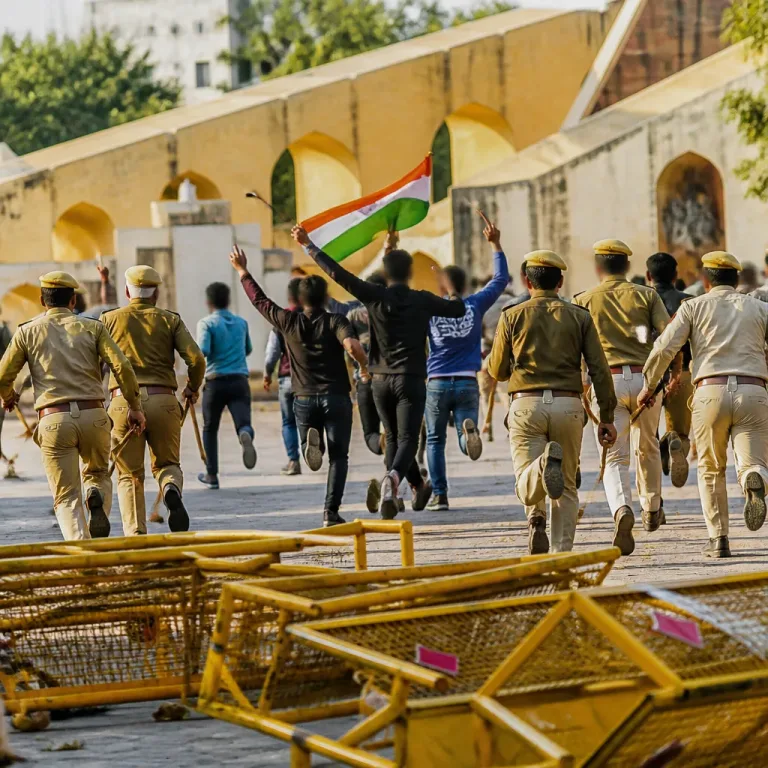
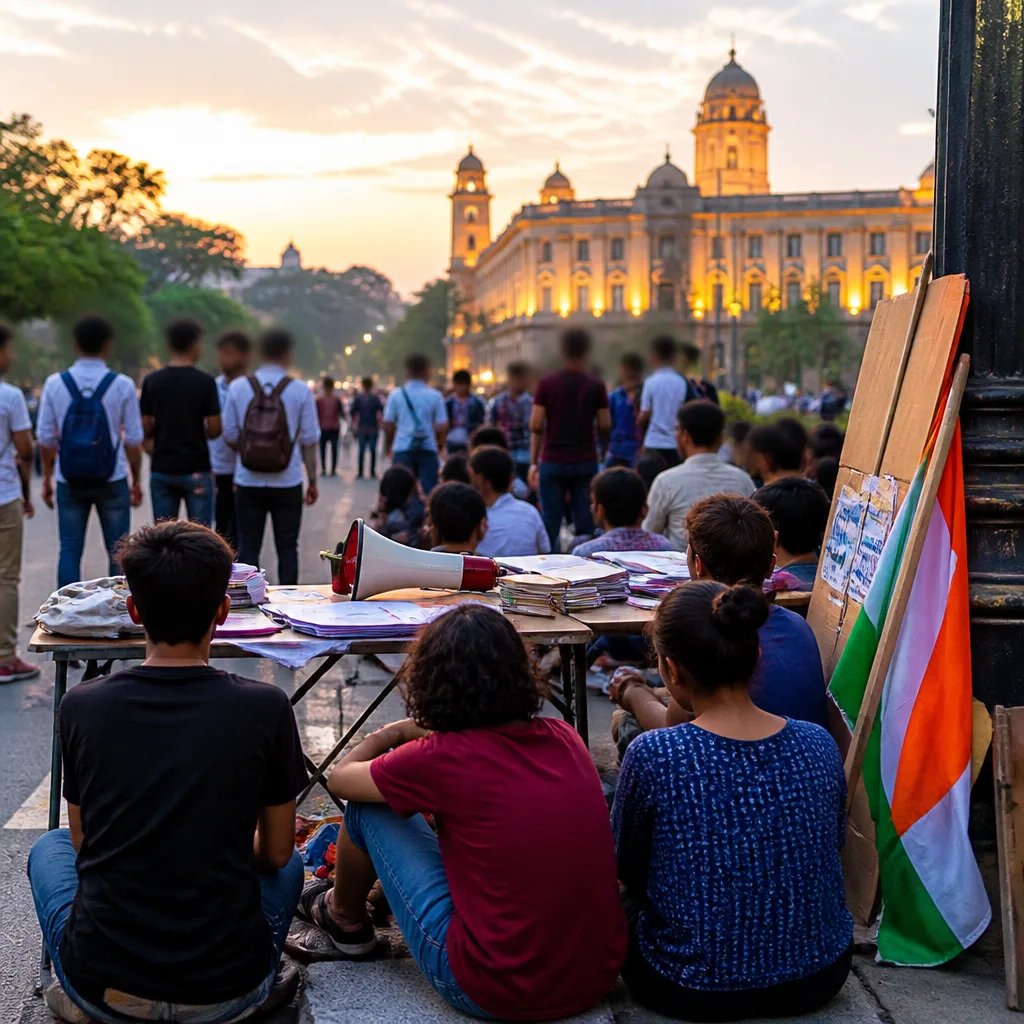
The remarks come after weeks of mass demonstrations in Delhi and other parts of the country led by youth groups that culminated in the resignation of a minister — an outcome Ali and the discussant characterised as unusual in recent Indian political experience. Analysts say that while street protests can force immediate political accountability, their long-term impact depends on whether participants can translate momentum into durable organisational forms or influence formal political processes.
Ali suggested that psychological and political elements combined to produce the present victory, but he emphasised that sustaining pressure requires structural changes. That prescription points to key challenges for protest movements: maintaining public engagement, building representative leadership, and creating institutional mechanisms capable of negotiating with state actors.
Commentators have in recent weeks compared India's wave of protests with contemporaneous movements in other South Asian countries that led to changes in government, and with historical student-led movements in Western democracies. Ali's remarks add a veteran activist's perspective that highlights both the significance of mass mobilisation and the hazards of relying solely on episodic street actions.
| Aspect | Ali's observation |
|---|---|
| Significance | One of the most positive developments in India for some time |
| Outcome | Resignation of a minister — a notable achievement |
| Risk | Victory is temporary; can "disappear very quickly" without institutionalisation |
| Prescription | Create independent bodies and assemblies to cement gains |
Ali's comments were made in the course of a conversation with Sidharth Bhatia and were reported in the published transcript of that discussion. His assessment offers a cautionary note to activist circles in India: that mass mobilisation can open political space but will not, by itself, guarantee sustained reform.
How youth groups and allied organisations respond to the call for institutional consolidation will be central to whether the present movement yields enduring political change or remains a short-lived episode in the country's protest history.