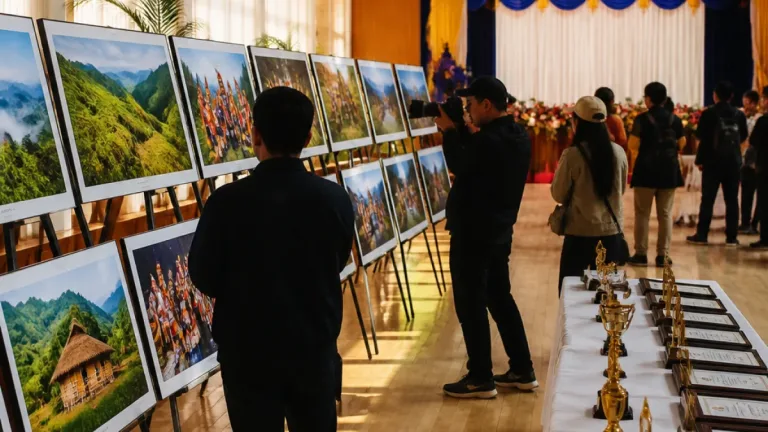
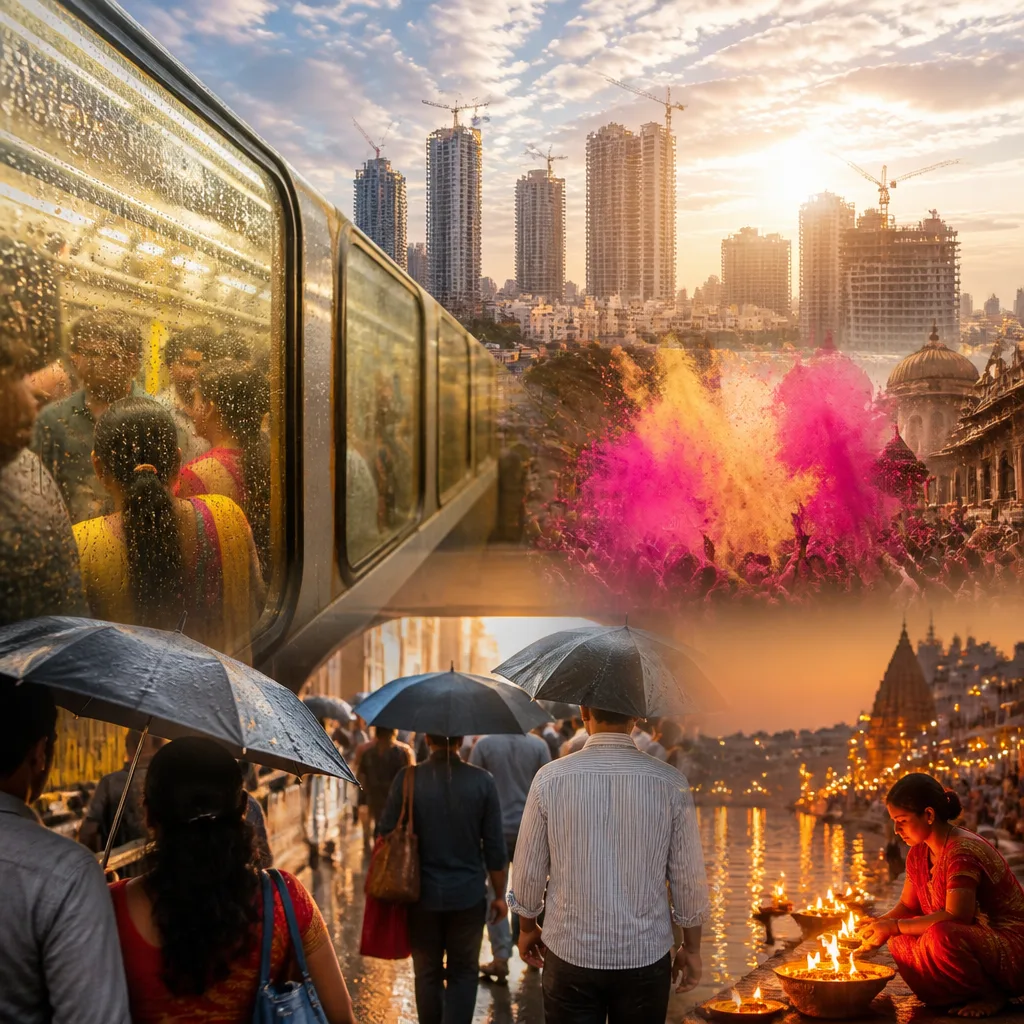
World Photography Day on August 19 this year is marked by a selection of 10 images that explore the theme “Home”, highlighting the shifting textures of daily life across Indian cities, towns and cultural landscapes. The pictures — drawn from news and photo agencies and curated features — focus on how the built environment, traditions and new technology are shaping where and how people live, work and celebrate.
Cities, weather and movement
Several images emphasise the urban pulse. Mumbai, in particular, features prominently: one photograph captures the city in full monsoon mood — commuters negotiating heavy rains and drenched streets that become part of the city’s identity. Another image underlines the city’s changing skyline as high-rises and redevelopment reshape the metropolitan silhouette. A third frame celebrates the city’s railway lifeline: packed local trains linking homes, colleges, markets and workplaces, a visual shorthand for Mumbai’s ceaseless movement.
These photographs, collectively, offer a layered view of rapid urbanisation: while new towers and infrastructure represent growth, they also raise questions about housing, mobility and liveability that cities across India are grappling with.
Tradition, craft and celebration
Beyond metropolitan scenes, the selection turns to tradition and community. A photograph of women at work on a handloom highlights the persistence of craft traditions and the evolving livelihoods they support. Another image of Holi — the festival of colours — captures how public celebrations continue to be one of the country’s most photographed cultural moments, as neighbourhood gatherings evolve alongside larger, organised events.
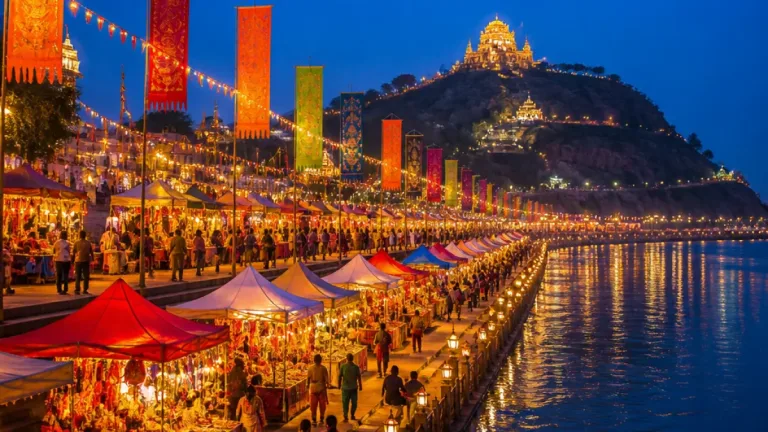
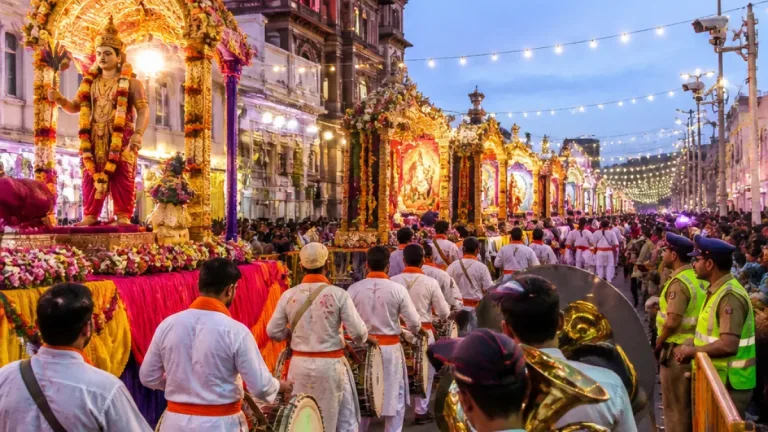
Varanasi’s illuminated ghats are also featured, evoking the continuity of living heritage where faith, ritual and tourism converge in a vivid riverside tableau during festivals such as Dev Deepawali.
Technology and everyday change
The theme of Home extends to everyday economics: a street-level photograph of a smartphone payment at a neighbourhood shop succinctly illustrates India’s digital transformation. UPI and mobile payments, now ubiquitous, have altered how millions of Indians shop, remit money and run small businesses — making the smartphone a new kind of household ledger.
Selected images and what they show
The published selection includes images that were credited to news agencies and photo archives; at least eight captioned frames in the current roundup are listed below:
| Image No. | Subject | What it captures |
|---|---|---|
| 1 | Mumbai Monsoon | Commuters and scenes along Marine Drive showing the city living with the rain (Image: PTI) |
| 2 | Mumbai Skyline | High-rises and the changing urban silhouette reflecting rapid growth (Image: unsplash.com) |
| 3 | Mumbai Local | Local trains as a symbol of daily mobility and urban life (Image: unsplash.com) |
| 4 | Digital India | Smartphone payment at a neighbourhood shop illustrating mobile finance adoption (Image: unsplash.com) |
| 5 | Women at Work | Handloom workers representing craft traditions and changing livelihoods (Image: commons.wikimedia.org) |
| 6 | Holi | Festival colour scenes showing evolving public celebrations (Image: unsplash.com) |
| 7 | Varanasi ghats | Illuminated ghats and Dev Deepawali’s visual spectacle along the Ganga (Image: unsplash.com) |
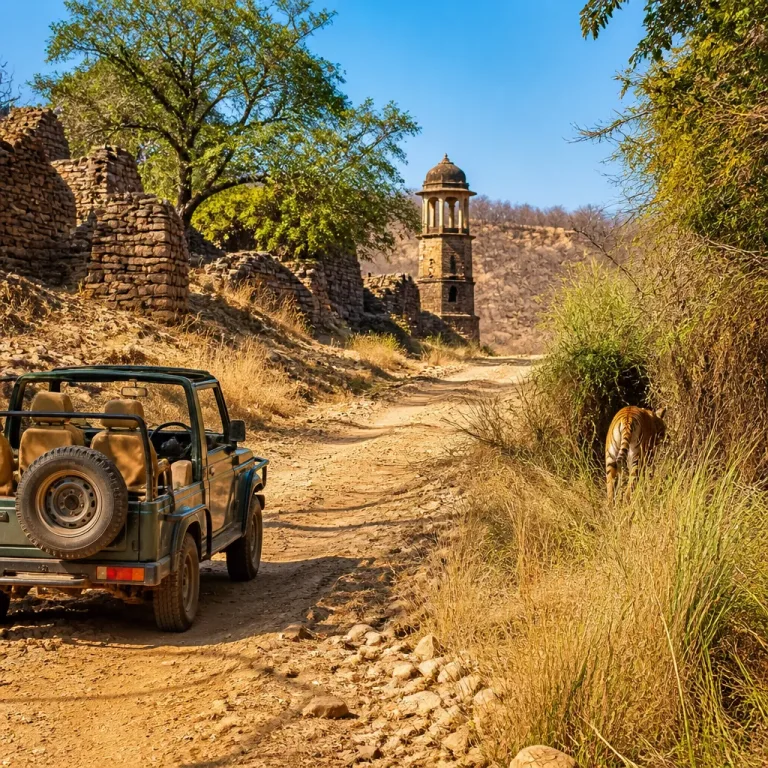
| 8 | Other landscapes | Images that reflect wildlife and broader Indian landscapes (Image credits varied) |
Why these frames matter
Photographs remain one of the clearest ways to chart social change because they record both the familiar and the emergent: daily routines, public spaces, rituals and the material signs of economic transition. The 2026 theme “Home” encourages viewers to think beyond four walls — to include neighbourhood networks, modes of work, transport, technology and seasonal rhythms such as the monsoon.
Visually, the series is a reminder that home in India is often a porous, shared idea — shaped by migration, commerce, faith and craft. Practically, these images also underscore policy and planning questions: how will cities accommodate growth without undermining liveability? How will traditional livelihoods be supported even as markets modernise? How do public rituals adapt as neighbourhoods densify?
- When: World Photography Day is observed on 19 August every year.
- Theme 2026: Home, interpreted across cityscapes, festivals, craft and technology.
- Takeaway: Photographs trace the dialogue between continuity and change in Indian life.
For readers, these images offer both a mirror and a window — reflecting familiar scenes and inviting closer attention to the evolving contours of daily life across India.