
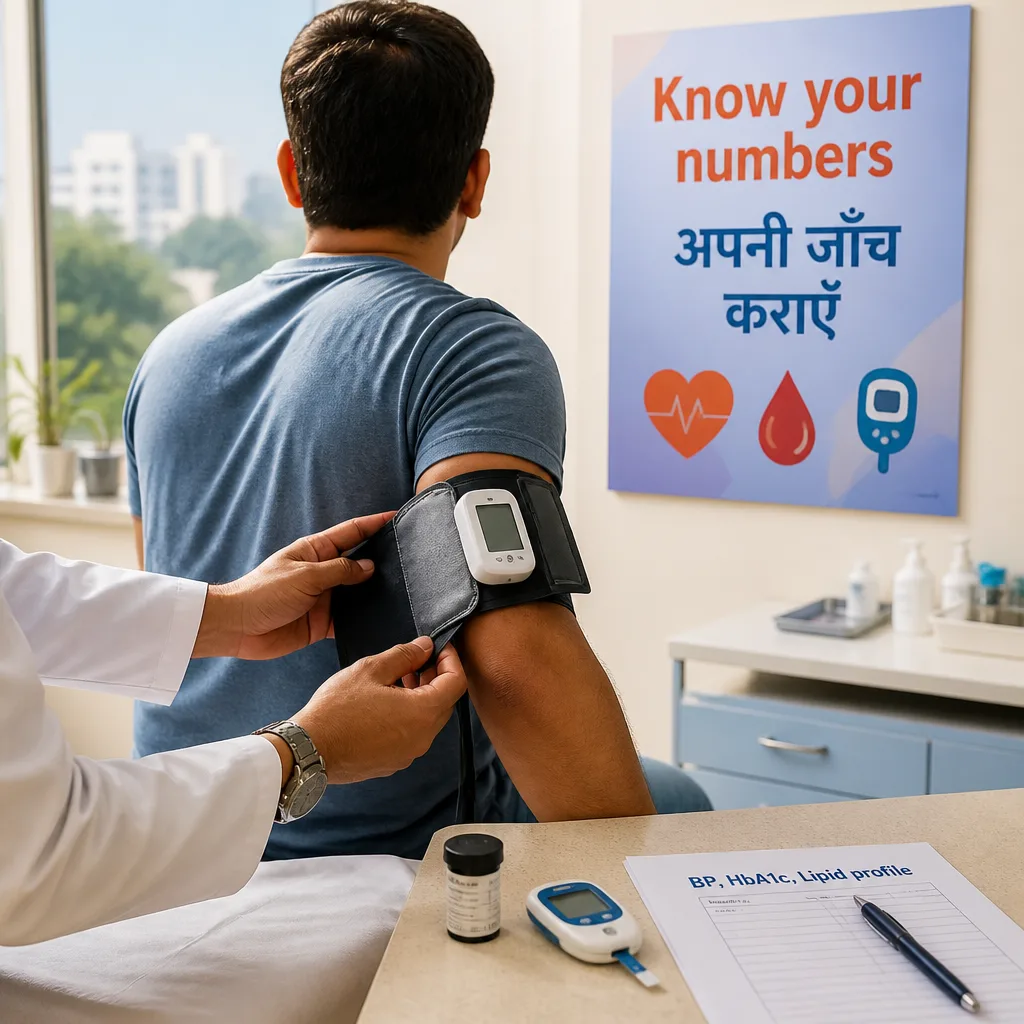
Doctors and diagnosticians are urging people in their 30s to treat the decade as a time to begin systematic heart‑health checks rather than waiting for clear symptoms. The message is particularly relevant for Indians, who, experts say, often develop coronary disease at a younger age.
Why start early?
Cardiovascular risk factors such as high blood pressure, raised cholesterol, excess weight, diabetes, smoking, chronic stress and physical inactivity accumulate over years and can be silent. Detecting unfavourable markers early offers a window to reverse trends through lifestyle change and medical treatment where needed.
“Feeling healthy does not always mean your heart risk is low,” said Dr Rajneesh Kapoor, Chairman, Cardiac Care, Interventional Cardiology, Medanta Gurugram, and recommended routine measurement of key values rather than waiting for warning signs.
Which checks should 30‑somethings consider?
Clinicians recommend a small panel of tests and measurements that together give a clearer picture of cardiovascular risk. These include simple office checks and routine blood tests:
- Blood pressure — an important, readily available indicator of stress on the vascular system.
- Blood sugar — fasting glucose and HbA1c can reveal prediabetes or diabetes before symptoms appear.
- Lipid profile — measures total cholesterol, LDL (low‑density lipoprotein), HDL (high‑density lipoprotein) and triglycerides; high LDL contributes to plaque formation in arteries.
“Indians tend to develop heart disease earlier than several other ethnic groups,” said Dr Ajay Phadke, Director, Strategic Business Development, Agilus Diagnostics.
These tests are not meant to alarm but to guide prevention. When abnormal values appear together — for example, elevated blood sugar with high blood pressure and unfavourable cholesterol — the combined effect raises cardiovascular risk more than any one marker alone.
Small but sustained habit changes
Beyond numbers, clinicians emphasise daily habits. Prolonged sitting is increasingly common because of long commutes, desk jobs and extended screen time. The advice is pragmatic: you do not need to exercise strenuously every day, but you must interrupt long spells of inactivity.
- Take short movement breaks during the workday — brisk walking, stair climbs or simple stretching will help.
- Make moderate activity a routine — cycling, brisk walking or other aerobic movement that raises the heart rate.
- Review dietary patterns — reduce late‑night takeaways and packaged foods, favouring regular meals with more whole foods and vegetables.
These measures aid in weight control and positively influence blood pressure, blood sugar and cholesterol levels, all of which are modifiable contributors to heart disease.
Practical steps and follow‑up
For many adults, an annual or biennial health check that includes the tests above is a reasonable starting point. Where results are borderline or abnormal, clinicians may recommend targeted lifestyle interventions and, where appropriate, medications. The emphasis from specialists is clear: don’t wait for symptoms; check the numbers and act.
| Test / Measure | What it indicates |
|---|---|
| Blood pressure | Risk from sustained hypertension; vascular stress |
| Fasting glucose / HbA1c | Blood sugar control; prediabetes/diabetes |
| Lipid profile (Total, LDL, HDL, Triglycerides) | Cholesterol balance; risk of plaque formation |
For Indians, who may face coronary events at younger ages than some other populations, early vigilance can translate into years of healthier life. Small, consistent changes in movement, eating and routine screening are the tools that clinicians recommend most strongly for people stepping into their 30s.
Regular monitoring, modest daily activity and dietary mindfulness can together blunt the long tail of risk that quietly accumulates over decades.