Women’s leadership in the freedom movement, revisited
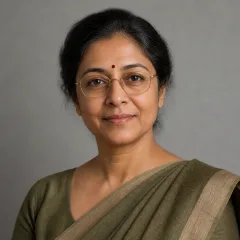
In her address, Dr. Ramalingam highlighted the often overlooked role of Indian women in the struggle for independence, recalling both well‑known and lesser‑known figures whose acts of leadership and sacrifice helped shape the movement. She cited Rani Velu Nachiyar and her commander Kuyili; Madam Bhikaji Cama, who unfurled an early version of the national flag at the International Socialist Congress in Stuttgart in 1907; and Dr. Lakshmi Sehgal, who led the Rani of Jhansi Regiment of the Indian National Army.
Dr. Ramalingam also referred to Usha Mehta, who operated the covert Congress Radio during the Quit India Movement, and to S. N. Sundarambal of Tiruppur, a freedom‑movement participant who went to prison with her infant child.
“These women were not merely supporters of the freedom movement. They were leaders, fighters and freedom‑makers. Their sacrifices remind us of the enormous price that was paid for the freedom we enjoy today,”
The references served to broaden the campus commemoration beyond ceremonial observance to a reflection on agency and leadership by women in India’s modern history.
From political freedom to health freedoms
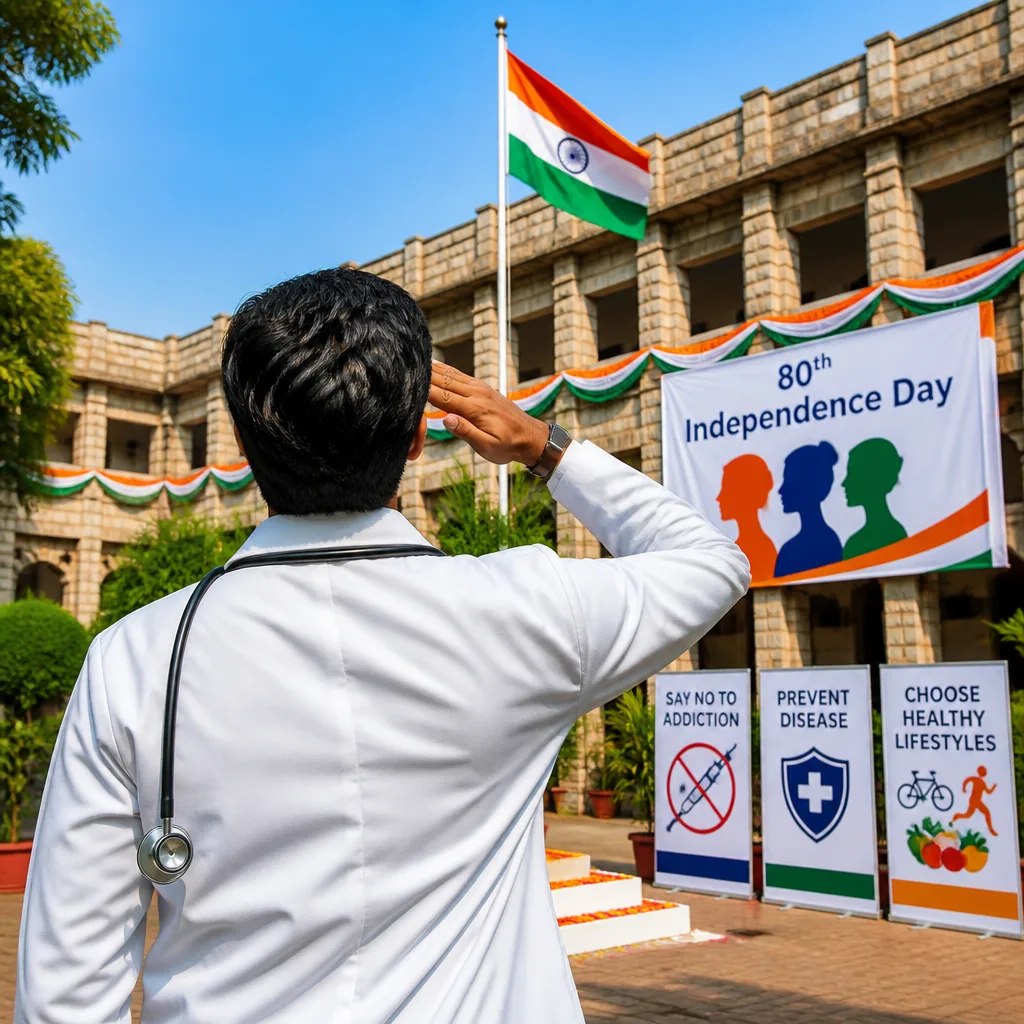
Turning to contemporary concerns, Dr. Ramalingam argued that independence from colonial rule does not mean the end of all forms of bondage. She called for a "new freedom struggle" against growing public‑health threats including addiction, communicable and non‑communicable disease, and unhealthy lifestyles.
“The British may have left India, but there are new forms of bondage that threaten our children, our youth and our society,”
The address linked the historical examples of courage and sacrifice to the responsibilities of today’s health professionals and students, urging them to view public‑health challenges as arenas in which a similar commitment and leadership are required.
Institutional setting and significance
The ceremony involved multiple constituent colleges on the PSG health campus — PSG Institute of Medical Sciences & Research, PSG College of Nursing, PSG College of Physiotherapy and PSG College of Pharmacy. The choice of speaker — the director of research and innovation at a major medical college — underscored an institutional emphasis on research, public health and community engagement.
By foregrounding women freedom‑fighters, the address also reinforced ongoing scholarly and civic efforts to recover and highlight gendered contributions to India’s independence movement. The set of names mentioned spans armed resistance, international advocacy and clandestine communications, illustrating the variety of roles women occupied.
What the remarks imply for science and health education
Linking independence to contemporary public‑health priorities frames health education as part of a larger civic remit. For students and researchers at medical and allied‑health institutions, that can translate to:
- prioritising research and community programmes addressing addiction and lifestyle diseases;
- engaging in public‑facing health communication to reach youth and vulnerable groups;
- embedding historical and ethical perspectives in health curricula to foster leadership and societal responsibility.
Dr. Ramalingam’s remarks did not include policy prescriptions or programme announcements; they were delivered as part of the Independence Day observance and aimed at framing institutional purpose and priorities.
The ceremony illustrates how health‑science campuses can use national commemorations to connect historical memory with current health challenges, encouraging students and faculty to apply scientific training to social problems that shape population health.