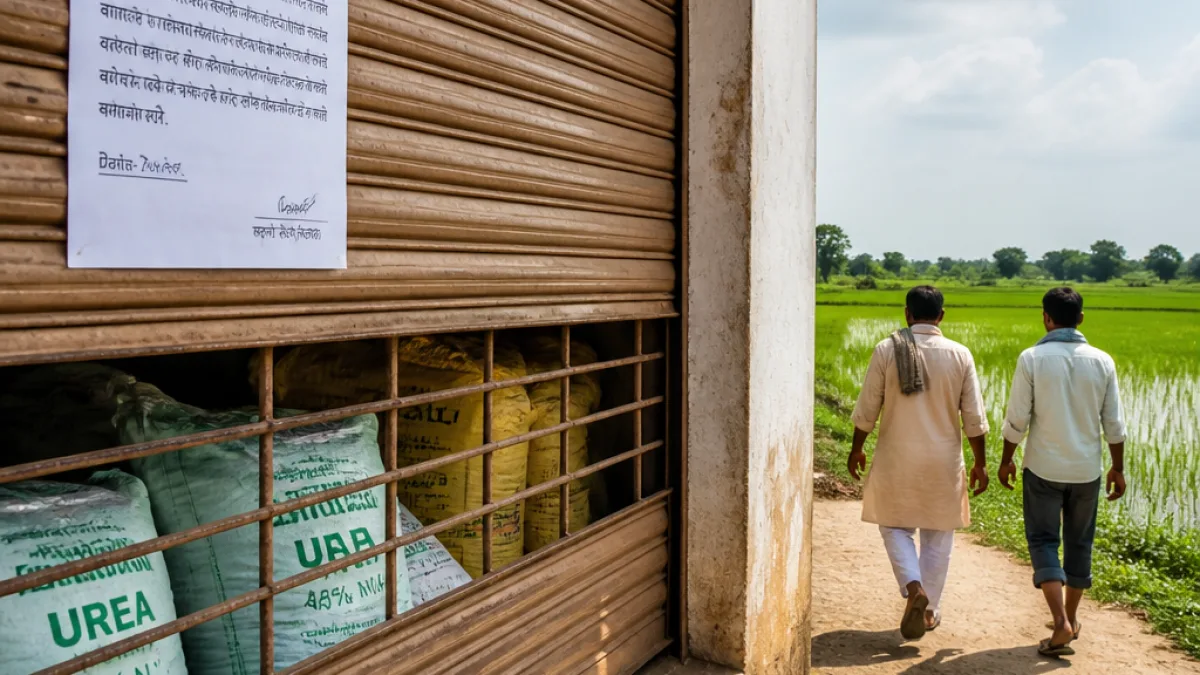
Bhopal: The Madhya Pradesh government has ordered an immediate suspension of subsidised fertiliser sales across the state, citing a need to reconcile physical dealer stocks with records on the central iFMS portal. The ban, which came into force at 7 pm on 14 August, will remain until further orders, the agriculture department said, affecting an estimated 8.2 million farmers, many of them paddy growers preparing inputs for the Kharif season.
Administrative order and scope
The agriculture department issued the directive assigning responsibility for implementation to district collectors and other departmental officers. The order applies to all sale points including marketing federation centres, cooperative societies, MP Agro outlets and private fertiliser dealers. It instructs strict compliance pending completion of a stock reconciliation process.
"No subsidised fertiliser will be sold until further orders," the department order stated.
Immediate impact on farmers and concerns
Farmers and farmer organisations have expressed anxiety over the timing of the suspension, which coincides with critical planting and nutrient-application windows for Kharif crops. Paddy growers were singled out in official briefings as particularly vulnerable given their dependence on timely supply of urea and complex fertilisers.
- Estimated affected farmers: 8.2 million
- Sale points covered: marketing federations, cooperative societies, MP Agro, private dealers
- Main risk cited by stakeholders: delayed applications, crop loss and rise in black marketing
While authorities say the halt is temporary and procedural, no dates have been provided for the completion of reconciliation or resumption of sales. The department has also not outlined interim arrangements for farmers who are currently in need of fertiliser for transplanting and early crop growth.
Background: token protests and previous agitation
The suspension follows widespread protests by farmers against the e‑token system for fertiliser distribution. Large demonstrations, including a march from Narmadapuram to Bhopal on 28–29 July, highlighted farmers' grievances regarding access and allocation under the e‑token regime. Officials say the present action aims to validate stocks and ensure subsidy integrity after complaints about discrepancies between portal entries and actual inventories.
| Item | Detail |
|---|---|
| Order issued by | Nishant Varwade, Secretary, Agriculture Development Department |
| Effective from | 14 August, 7 pm |
| Coverage | All subsidised fertiliser sales outlets across the state |
| Farmers potentially affected | Approx. 8.2 million |
Risks: crop loss and black marketing
Farmers and some farm leaders warned that the disruption could prompt unauthorised sales in the black market, with small and marginal farmers most exposed to higher prices and adulterated supplies. Agricultural economists note that even short delays in nutrient application at critical growth stages can reduce yields, particularly in water‑intensive crops such as paddy.
District administrations now face the twin tasks of completing stock verification quickly and communicating contingency plans to field staff and farmer groups. Collectors have been directed to supervise enforcement, but the department has not shared a timeline for the reconciliation exercise or a mechanism to ensure small farmers can obtain fertiliser if genuine shortages emerge.
What farmers need to know
At present, the department's public instruction is clear: subsidised fertiliser outlets should not dispense stock until reconciliation is complete. Farmers seeking inputs should:
- Contact their nearest cooperative or district agriculture office for official updates.
- Keep records of e‑tokens, purchase receipts and any communications from local dealers.
- Report suspected unauthorised sales or price gouging to the district collector or agricultural officer.
The suspension underscores the challenge of balancing subsidy accountability and timely delivery of critical farm inputs. As the Kharif season advances, authorities will be under pressure to conclude verification rapidly or provide alternative supply arrangements to avoid crop and livelihood losses among the state’s millions of farmers.