CHENNAI: Millions of Indian women are navigating menopause with little medical support and widespread social silence, according to recent reporting. As the country approaches an estimated 400 million women aged 45 and above this year, specialists and surveys point to early onset, substantial symptom burdens and limited public-health attention.
Scale and timing
National data indicate that many Indian women reach menopause earlier than the global average. The average age of menopause in India is around 46 years, nearly four years younger than the global average of 51 years. The National Family Health Survey (NFHS-5) shows that about 14.66% of women aged 30–49 are already in menopause.
Projections cited in the reporting suggest that by 2030 nearly 130 million women could be in the menopausal phase. Experts quoted in the source warn that earlier onset — particularly common in rural districts — lengthens women’s exposure to symptoms and raises long-term risks for conditions such as cardiovascular disease and bone-density loss.
Symptoms, stigma and healthcare gaps
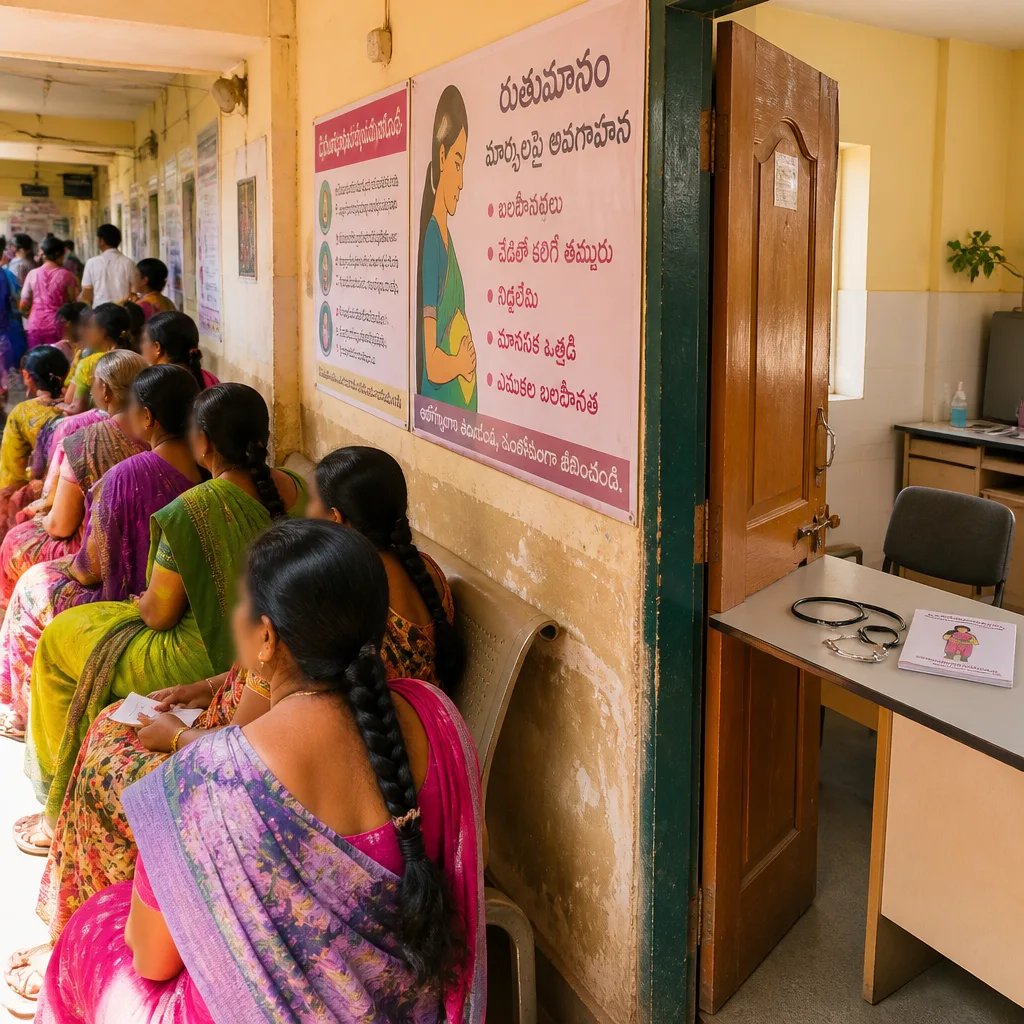
Women describe a range of distressing symptoms that often go unaddressed. Night sweats, severe hot flashes, sleep disruption and cognitive difficulties are recurring complaints. The reporting includes an account of a woman who sought medical help but was told to accept it as simply part of reaching the “menopausal age” and to “manage it”, highlighting a broader tendency to normalise or minimise symptoms rather than offer clinical care.
“...it was just her hitting the ‘menopausal age’ and to ‘manage it’.”
Those interactions reflect structural deficiencies: low awareness among the public and some health professionals, limited access to appropriate medication and services, and cultural taboos that discourage open discussion. The Longitudinal Aging Study in India (LASI-1) found regional variations and a troubling burden of early and premature menopause in some states.
Premature and early menopause — regional concerns
Data from LASI-1 indicate that 7.4% of women experience premature menopause (before age 40), while 17.5% face early menopause between 40–44 years. States such as Andhra Pradesh, Telangana and Bihar show notably higher rates of premature menopause, according to the reporting.
| Measure | Value |
|---|---|
| Women aged 45 and above (estimated, 2026) | 400 million |
| Projected women in menopausal phase by 2030 | 130 million |
| Average age of menopause in India | 46 years |
| Global average age of menopause | 51 years |
| Women 30–49 in menopause (NFHS-5) | 14.66% |
| Premature menopause (before 40) — LASI-1 | 7.4% |
| Early menopause (40–44) — LASI-1 | 17.5% |
Consequences and the way forward
Medical professionals highlight that earlier menopause can extend the period during which women are vulnerable to chronic illnesses. Reduced oestrogen levels over a longer duration are associated with heightened cardiovascular risk and accelerated bone-density loss. Yet many women in India lack access to tailored menopausal care, hormone-replacement therapy where appropriate, or counselling to manage the psychosocial impact.
Addressing the gap will require multiple strategies: raising awareness among the public and primary-care providers, improving training for gynaecologists and general physicians, widening access to safe and evidence-based treatments, and normalising conversations about midlife health in families and communities.
- Large cohort: nearly 400 million women aged 45 and above in 2026.
- Earlier average menopause: India 46 years vs global 51 years.
- Significant regional variation with premature menopause rates as high as 7.4% in some areas.
For many Indian women, menopause is not a single moment but a prolonged life phase that affects sleep, mood, work and relationships. Public-health planning that recognises menopause as a major component of midlife care would relieve both individual suffering and the longer-term burden of preventable chronic disease.
The reporting underscores an urgent need to move menopause out of private silence and into mainstream healthcare policy and community conversation so that midlife can be managed with dignity, choice and effective medical support.