
Moscow, Aug 26: India presented its recent advances in scientific monitoring and management of the snow leopard at a Russia‑India Roundtable Meeting on Snow Leopard Study and Conservation held at the A.N. Severtsov Institute of Ecology and Evolution in Moscow on August 26.
Focus on scientific tools and international cooperation
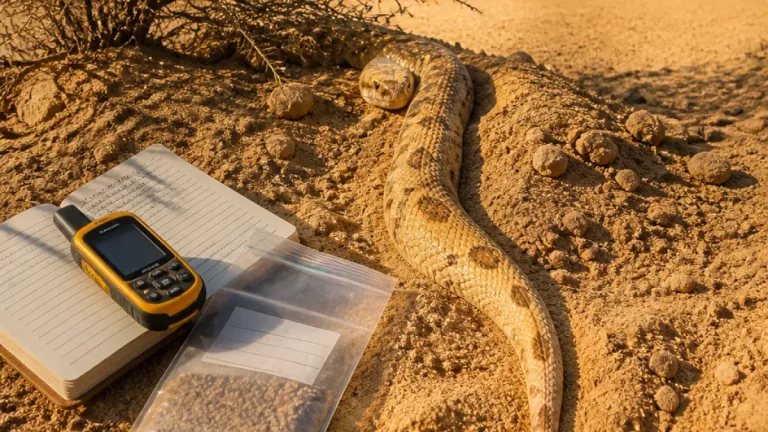
The delegation from the Ministry of Environment, Forest and Climate Change (MoEFCC) outlined the country’s progress in applying systematic, science‑based techniques to study the high‑altitude big cat. Officials from the Wildlife Institute of India (WII) emphasised three areas of work: population estimation, radio telemetry and genetic analysis, and discussed how these methods are being used to improve monitoring and conservation planning.
The roundtable was organised by the A.N. Severtsov Institute of Ecology and Evolution of the Russian Academy of Sciences and convened under the partnership between the Interregional Association ‘Irbis’ and the International Big Cat Alliance (IBCA), a collaboration formalised in December 2025. Representatives from the Russian Ministry of Natural Resources and Environment, Moscow Zoo, Rosprirodnadzor and other researchers working on snow leopard conservation also attended.
What India highlighted
- Population estimation: Indian scientists described methods being used to derive robust population metrics for snow leopards across range landscapes.
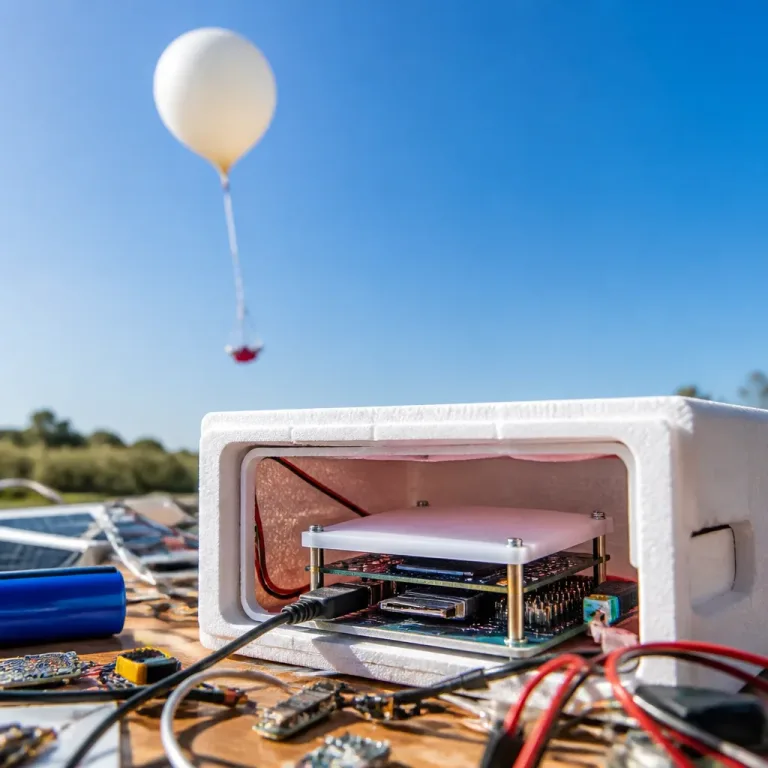
- Radio telemetry: The use of radio‑tracking to study movement, habitat use and transboundary connectivity was presented as a tool to inform management.
- Genetic analysis: Molecular techniques to assess genetic diversity and individual identification were showcased as a way to strengthen monitoring and anti‑poaching strategies.
Delegates engaged in thematic discussions aimed at identifying avenues for joint research, capacity building and information exchange to bolster conservation of this elusive, high‑altitude felid across its range.
“The meeting provided a platform for India and its international partners to exchange knowledge, experiences and scientific expertise related to snow leopard monitoring and conservation,” the official release said.
Participating institutions and roles
| Institution | Role at the roundtable |
|---|---|
| A.N. Severtsov Institute of Ecology and Evolution | Host and convening research institute |
| Interregional Association ‘Irbis’ | Partner organisation in the cooperation agreement |
| International Big Cat Alliance (IBCA) | Partner organisation; agreement signed Dec 2025 |
| MoEFCC and WII (India) | Presented Indian scientific approaches and participated in thematic discussions |
| Russian Ministry of Natural Resources and Environment, Moscow Zoo, Rosprirodnadzor | Representatives and experts contributing to collaborative planning |
Implications for conservation
The dialogue underlines a broader shift in snow leopard conservation from opportunistic field reporting to systematic, science‑led monitoring that can support policy and transboundary management. Population estimation methods help quantify status and trends; telemetry provides data on movement corridors and seasonal ranges; and genetic tools can resolve questions of relatedness, population structure and illegal trade.
By pooling expertise and aligning methods with international partners, India and Russia aim to strengthen cross‑border conservation for a species whose ranges span multiple countries. The partnership framed at the meeting could facilitate coordinated surveys, standardise monitoring protocols and enhance capacity in range states through joint training and data sharing.
The roundtable therefore represents a pragmatic step towards integrating field science with policy actions for a species that is both ecologically important and vulnerable to habitat fragmentation, climate change and human pressure. Future outcomes from the partnership may include joint research projects, harmonised monitoring approaches and technical exchanges among institutions in snow leopard range countries.