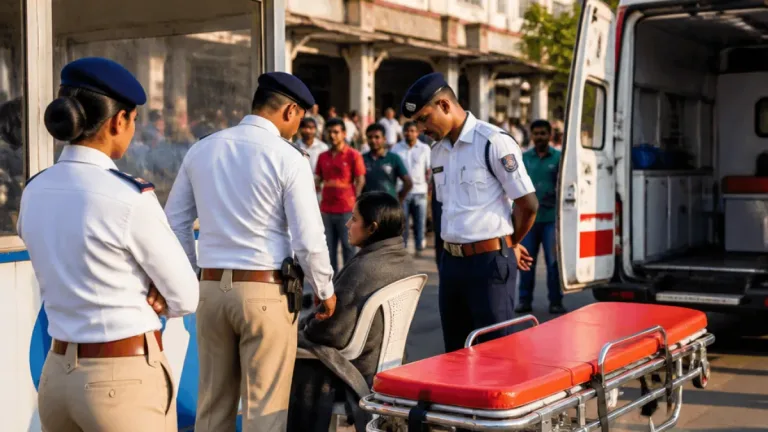
New Delhi: Delhi Health Minister Pankaj Kumar Singh on Friday held discussions with Union Health Minister JP Nadda to review the influenza A(H1N1) situation in the national capital, and gave assurances that there was no shortage of hospital beds or essential medical equipment as cases increased in recent days, according to ANI.
National review of surveillance and preparedness
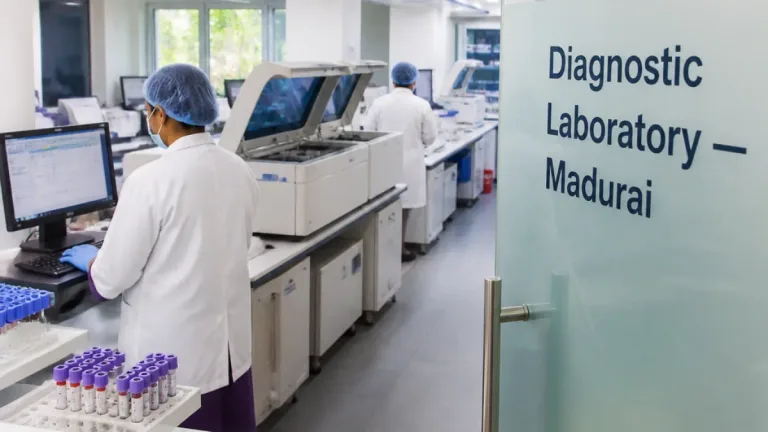
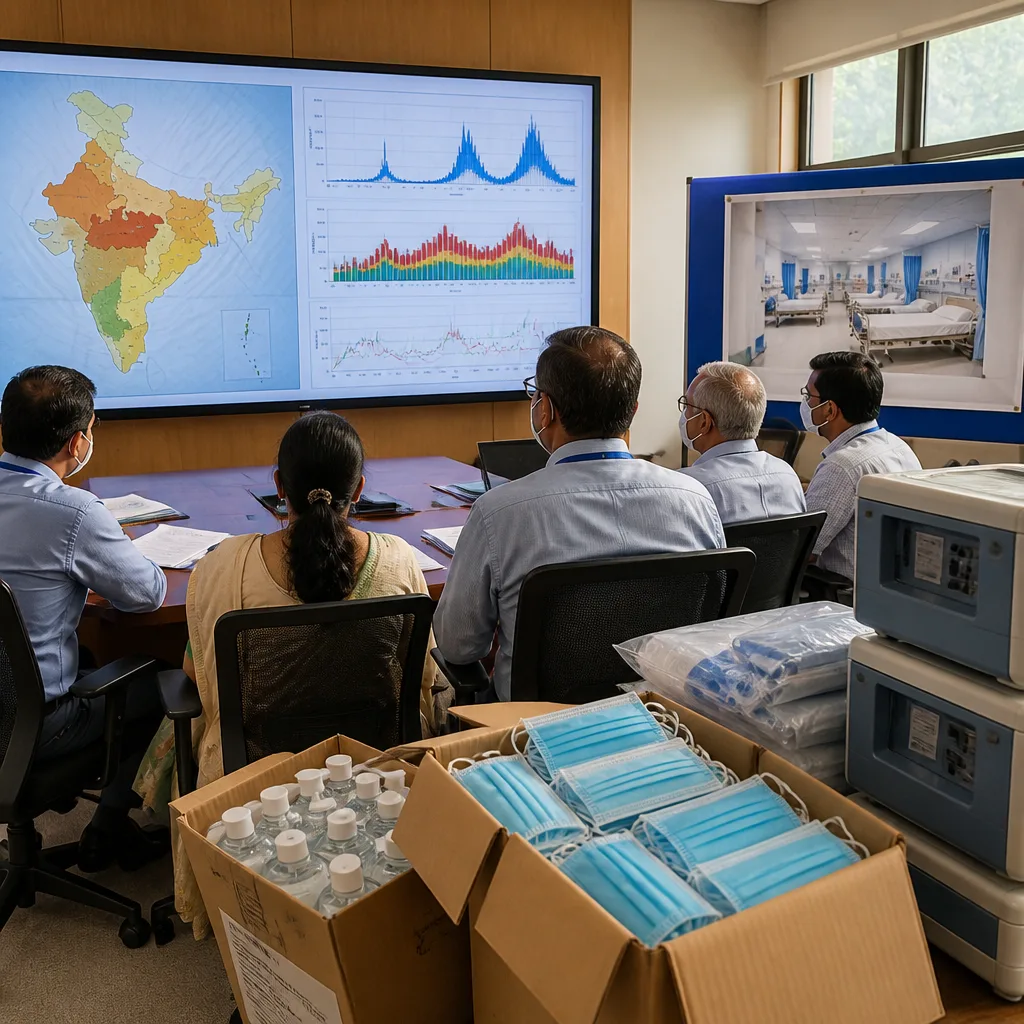
The meeting formed part of a broader national review led by the Union Health Minister of surveillance and epidemiological trends, including influenza-like illness (ILI) and severe acute respiratory infections (SARI), laboratory testing and the readiness of health facilities to manage seasonal influenza cases. Officials examined availability of hospital beds, critical care capacity and other essential supplies in Delhi.
Singh told ANI that until Thursday more than 1,770 patients had sought treatment in Delhi and that several had been discharged after recovery. He sought to reassure the public on the city’s capacity to manage the caseload.
"I would like to assure the people of Delhi that we lack neither equipment nor beds,"
According to the report, Union Health Minister Nadda emphasised the need for continued vigilance, robust surveillance and proactive preparedness, with close monitoring of influenza trends across the country.
What H1N1 means and who is at risk
Influenza A(H1N1), commonly known as swine flu, is a respiratory infection. Typical symptoms include fever, cough, sore throat, body aches, headache, chills and fatigue. Most people recover with supportive care, but influenza can cause serious complications among vulnerable groups, including the elderly, pregnant women, young children and those with chronic medical conditions.
Health authorities have pointed to changing weather patterns, including variations in humidity and temperature, as factors that may increase transmission of seasonal respiratory infections.
Preparedness measures and public guidance
Officials at the meeting assessed several preparedness elements. Key points highlighted by the review included:
- Surveillance: Strengthening laboratory testing and monitoring of ILI and SARI to detect trends early.
- Healthcare capacity: Verifying availability of hospital beds and critical care facilities to handle potential surges.
- Supplies: Ensuring essential equipment and medicines are in place across facilities.
Public health messaging emphasised calm and advised citizens to seek medical attention if they develop symptoms consistent with influenza. Health authorities reiterated standard infection-prevention measures such as respiratory hygiene, hand washing and limiting contact with those who are unwell.
Data snapshot
| Metric | Reported figure |
|---|---|
| Patients reported for treatment in Delhi (until Thursday) | 1,770+ |
| Patients discharged after recovery | Several (notified by Delhi Health Department) |
ANI reported that the Union Health Ministry assured the Delhi government and health department that preparations were in place to prevent any untoward situation. The review comes amid media reports of a rise in H1N1 cases in the capital and surrounding areas.
Context and implications
Seasonal influenza places predictable but variable pressure on health systems every year. Early detection through surveillance and timely clinical management limit severe outcomes. The national review led by the Union Health Ministry is intended to ensure state and city-level capacities are adequate and to coordinate resources where necessary.
Healthcare providers are being urged to maintain high suspicion for influenza in patients presenting with respiratory symptoms, while laboratory networks are continuing diagnostic testing to monitor circulating strains and disease severity.
Readers are advised that the information in this report is based on the ANI account of the meeting and official statements referenced there. For personal medical concerns or symptoms suggestive of influenza, consult a qualified healthcare professional. Public health authorities, including the Indian Council of Medical Research (ICMR) and the Ministry of Health and Family Welfare, provide guidance on testing and clinical management of influenza; this article does not substitute for medical advice.
Authorities also reminded the public that simple measures — vaccination where recommended, hand hygiene, respiratory etiquette and staying home when ill — remain key to reducing spread and protecting vulnerable populations.