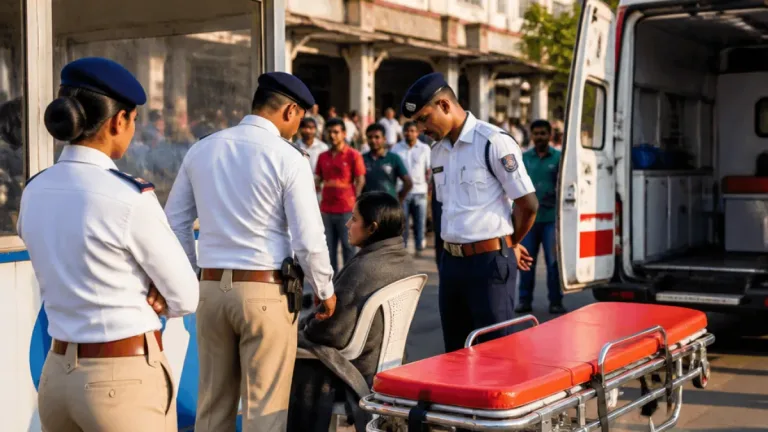
Delhi has seen a sharp increase in laboratory-confirmed H1N1 (influenza A/H1N1)pdm09 infections this monsoon, with 1,349 cases reported so far this year compared with 229 during the same period in the previous year, according to data cited by PTI. The rise — almost six-fold — has prompted routine testing, heightened clinical vigilance and preparatory measures in government hospitals, authorities said.
Officials, hospitals step up preparedness
Delhi Health Minister Pankaj Singh said regular testing is being carried out and patients are receiving treatment. He also outlined arrangements in public facilities to manage the concurrent burden of seasonal infections such as H1N1 and dengue.
"Regular testing is being carried out and patients are receiving treatment," Delhi Health Minister Pankaj Singh said, according to PTI.
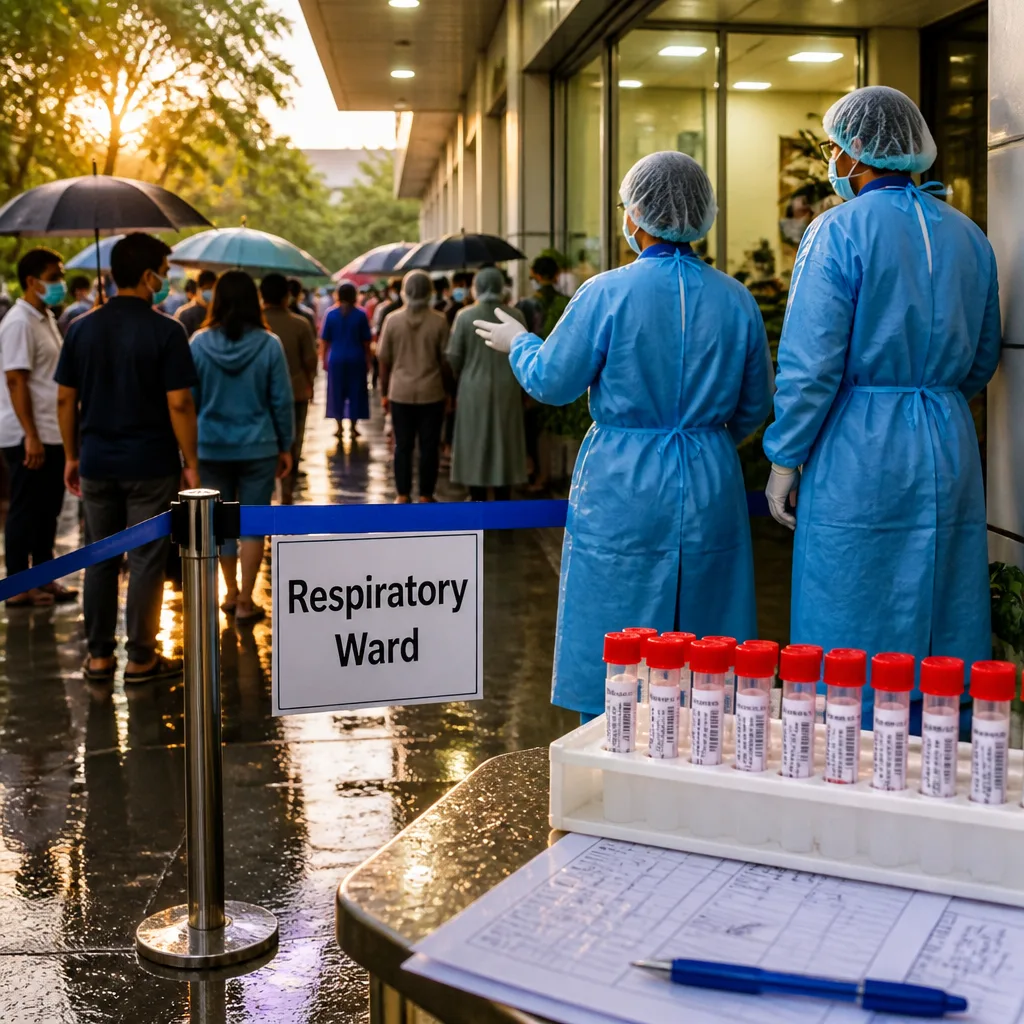
Government hospitals have made logistical preparations, including the designation of separate wards and private rooms for infected patients, the report added. Health authorities are monitoring case trends as respiratory infections typically rise during the monsoon season.
Who is at higher risk and what symptoms to watch for
Clinicians caution that while H1N1 may resemble common seasonal influenza in many otherwise healthy adults, the infection can progress to severe illness in particular groups. Those at increased risk include:
- Older adults
- Pregnant women
- Young children
- People with chronic conditions such as diabetes, chronic heart disease or chronic lung disease
Common early symptoms reported in clinical guidance and surveillance summaries include fever, cough, sore throat, body aches and fatigue. Physicians urge patients in the higher‑risk categories not to dismiss worsening or persistent respiratory symptoms as routine seasonal flu and to seek medical assessment promptly.
Antibiotics not effective; clinical management and public advice
Health experts reiterate that H1N1 is viral in origin. Antibiotics, which target bacteria, are not effective against influenza viruses and should not be used unless there is a documented bacterial complication. Unnecessary antibiotic use can contribute to antimicrobial resistance, a concern emphasised by public‑health agencies including the World Health Organization (WHO).
Management of uncomplicated influenza in otherwise healthy adults typically focuses on supportive care: rest, hydration and fever control. Antiviral agents active against influenza may be indicated for patients at high risk of complications or those who develop severe disease; clinicians determine treatment on a case‑by‑case basis.
Surveillance context and next steps
Monsoon months often coincide with a rise in various respiratory infections. Increased testing and hospital readiness reported from Delhi follow established public‑health practice to identify cases early, isolate where appropriate and provide timely treatment to those at risk of severe illness.
| Period | H1N1 cases reported |
|---|---|
| Same period last year | 229 |
| Current season (to date) | 1,349 |
Public‑health authorities, including the Indian Council of Medical Research (ICMR) and the Union Health Ministry, routinely monitor influenza activity through laboratory surveillance networks and issue clinical guidance as required. The WHO also classifies groups at higher risk for severe influenza and provides global guidance on surveillance and case management.
Readers are advised to consult a qualified physician if they or a family member develop worsening respiratory symptoms. This article is informational and not a substitute for professional medical advice. For the latest local guidance, contact municipal health authorities or the nearest government hospital.