Beijing on Monday criticised India’s recent action to standardise names for 27 locations in Arunachal Pradesh, declaring the move unlawful and asserting it would not alter China’s claim to the territory. The statement was issued by the Chinese Foreign Ministry amid heightened sensitivities over nomenclature and frontier control.
Beijing rejects India's move
Chinese Foreign Ministry spokesperson Guo Jiakun said Beijing did not recognise the area India calls Arunachal Pradesh and insisted that the region—referred to by China as Zangnan—forms part of Chinese territory. The spokesperson described New Delhi’s replacement of names used by China with Indian standard names as “illegal, null and void”, and said the step would not change Beijing’s stance.
"China does not recognise the so‑called 'Arunachal Pradesh', which it refers to as 'Zangnan'. 'Zangnan region is China’s territory. China does not recognise the so‑called ‘Arunachal Pradesh’ illegally set up by India.'"
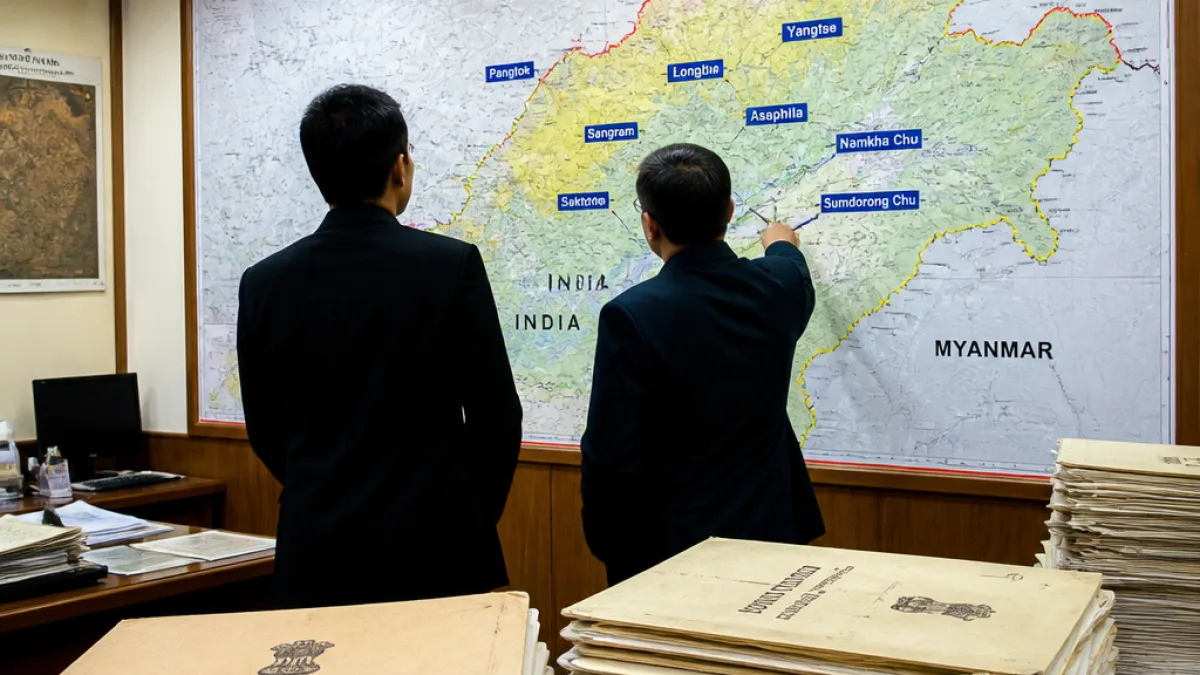
The Chinese reaction followed India’s formal exercise last week to identify and publish the standard names of 27 places and geographic features within Arunachal Pradesh on the Survey of India map. New Delhi said the move was intended to facilitate accurate recognition and improved public awareness of those locations.
Locations named include strategically sensitive sites
The list of 27 names includes several sites that feature in the history of India‑China frontier tensions and the 1962 conflict. Among the places publicly identified by India are:
- Long Ju — a site along the Line of Actual Control that was an early flashpoint in 1959;
- Maja village in Upper Subansiri district;
- Dzo La, Riza La, Pukur La, Thag La — high‑altitude passes, with Thag La noted for being among the initial battle sites in the 1962 war;
- Jairampur — a logistics hub in Changlang district, serving as a gateway to the eastern border region;
- Other entries such as Sambho Sarovar, Bara Kundun, Chhota Kundun, Dhan Bari, Pritnagar, Teritnagar, Ramnagar, Jaswant Garh, Sagar, Padma, Jyotinagar and Baisakhi.
| Category | Examples named by India |
|---|---|
| Border flashpoints | Long Ju, Thag La, Dzo La |
| District hubs | Jairampur (Changlang) |
| Memorials and villages | Sher-e-Thapa Memorial, Maja, Jaswant Garh |
New Delhi's rationale and previous responses
India presented the naming exercise as an administrative measure by the Survey of India to ensure correct identification and raise awareness among the public. New Delhi has in the past resisted Beijing’s attempts to assign Chinese names to features in Arunachal Pradesh, calling such efforts baseless and unable to alter the legal and political status of the state.
The naming move comes against the backdrop of repeated exchanges between the two countries over maps, nomenclature and territorial claims. Chinese authorities have long considered parts of the state as disputed, while India maintains that Arunachal Pradesh is an integral part of the Republic.
Strategic and local implications
Officials and observers often view the naming of geographic features and places as more than symbolic: names appear on official charts, maps and administrative records and can affect logistics, border administration and public perception. Several of the newly listed sites are located in frontier districts where infrastructure, access and security are priorities for both civil administration and defence establishments.
The inclusion of passes and locations linked to the 1962 conflict underscores their continued relevance to strategic planning and local memory. The list also contains sites tied to cultural and commemorative interests, such as the memorial dedicated to 1962 war figure Trilok Singh Thapa.
Diplomatic fallout and next steps
China’s public rejection signals the likelihood of continued exchanges in diplomatic and official channels. Past incidents involving maps and place‑naming have typically prompted formal protests or counter‑statements from both sides. How New Delhi and Beijing proceed operationally—whether through quiet diplomatic engagement or further public rebuttals—remains to be seen.
For Arunachal Pradesh residents and local administrations, the formal naming exercise is likely to be implemented through official records and Survey of India products over the coming weeks, while the diplomatic dispute may continue at the foreign ministry level.
Key takeaways:
- China has rejected India’s formal identification of 27 places in Arunachal Pradesh, calling the action illegal and asserting a claim over the territory.
- India said the exercise was meant to ensure accurate recognition on the Survey of India map and greater public awareness.
- The list includes strategically sensitive locations such as Long Ju and several high passes tied to the 1962 conflict.