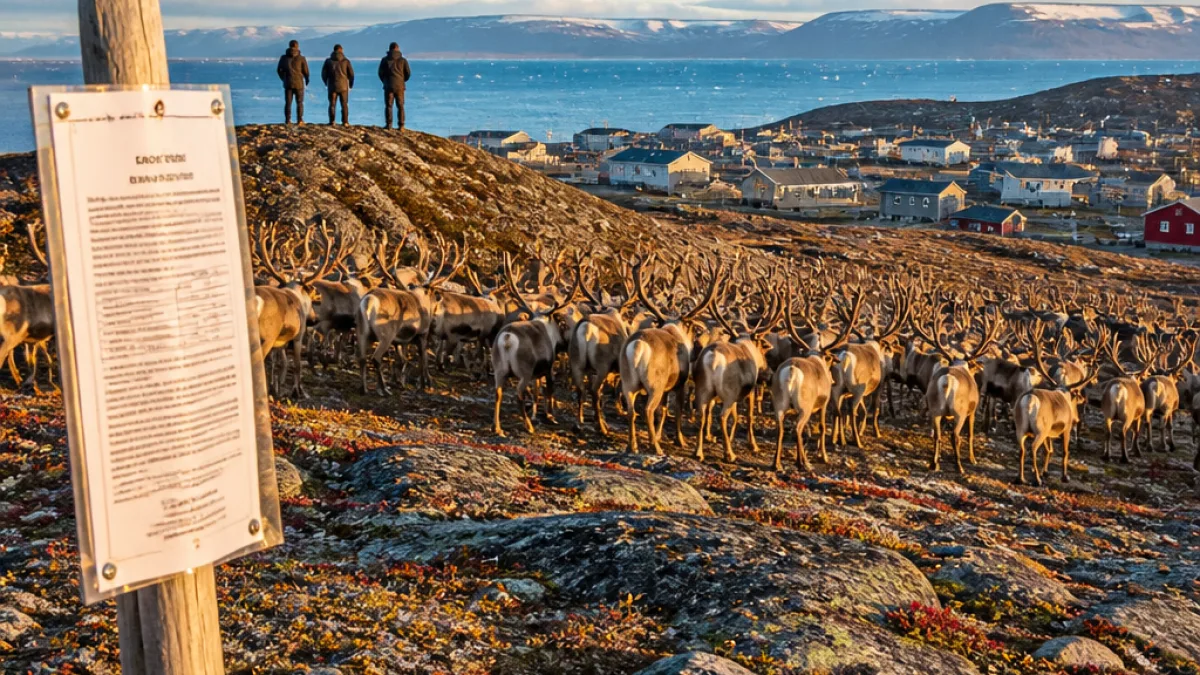
The Government of Nunavut has approved a substantial increase to the maximum allowable harvest for caribou on Baffin Island, authorizing a limit of 6,000 animals for the 2026–27 hunting year after provincial wildlife managers reported a rapid and sustained population rise.
Large herd growth prompts policy shift
The new harvest ceiling replaces a previous cap of 550 and applies to the hunting season that runs from July 1, 2026 to June 30, 2027. The decision also removes the special restrictions that had limited the harvesting of female caribou — measures that were earlier introduced to encourage herd recovery.
Officials say the change follows population estimates indicating Baffin Island caribou have grown to about 48,000 animals, more than ten times the number recorded in 2014. At that earlier count, there were an estimated 4,600 caribou and the total allowable harvest was far lower.
Risk assessment and scientific context
The Nunavut Wildlife Management Board (NWMB) noted that the new total represents roughly 12.3 per cent of the current herd — a higher proportion than the board’s prior guideline of allowing about 5 per cent of the population to be harvested. In its July decision the board acknowledged that a 12.3-per-cent harvest rate carries greater risk than the previous policy.
“This increase provides expanded harvesting opportunities for Nunavummiut while ensuring the long-term sustainability of the Baffin Island caribou population,”
said Estela Aguilar, manager of communications for the Department of Environment, in a statement released Aug. 13.
Government staff advised the board that if the herd continues to grow at the observed rate of roughly 25 per cent annually, a harvest at the 12.3-per-cent level would not be expected to stop population growth, the NWMB said.
Drivers of the population increase
Researchers have pointed to ecological changes behind the expansion. A study from Northern Caribou Canada linked the caribou rebound to a declining wolf population on Baffin Island, reducing predation pressure on the ungulates.
That dynamic shifts how managers and communities think about sustainable harvest. Unlike southern jurisdictions where caribou declines often prompt restrictions, some northern herds are currently abundant and communities seek increased harvest opportunities for food and cultural uses.
Community allocations and legal rules
The total allowable harvest will be divided among Nunavut communities by local Hunters and Trappers Organizations (HTOs) and similar bodies. Members in each community receive allocations from those local shares. Hunting without a community allocation is an offence under the Nunavut Wildlife Act and can lead to fines.
- Harvest limit for 2026–27: 6,000 caribou
- Herd estimate for 2026: approximately 48,000
- Previous harvest cap: 550
- 2014 herd estimate: roughly 4,600 caribou
| Year | Estimated herd | Total allowable harvest |
|---|---|---|
| 2014 | ~4,600 | 250–550 (historic limits varied) |
| 2026 | ~48,000 | 6,000 (approved for 2026–27) |
Phased increases and future monitoring
The GN says the harvest limit will rise by 125 animals each year beginning July 1, 2027, creating a stepped approach that will be monitored by wildlife managers. Continued surveys and local harvesting reports will inform whether the herd’s growth rate and health remain consistent with current projections.
Local hunters, HTOs and wildlife staff will play a role in implementing the allocation system and observing the herd on the land. Decisions around allowable harvests rely on a mix of scientific counts and Inuit knowledge collected at the community level.
For harvesters, the immediate practical takeaway is to check with their local HTO or the Department of Environment about community allocations and any local harvesting rules before heading out. The Wildlife Act makes clear that harvesting without an assigned share is a punishable offence.
As the plan is put into effect, communities and managers will watch for ecological signals — calf survival, predator trends and movement patterns — that indicate whether the increased take is sustainable over time. The government and NWMB have committed to ongoing monitoring as the herd moves through this period of rapid change.
This policy shift reflects a rare instance of a northern caribou population rebounding to the point where harvest opportunities expand, but it also highlights the careful balance managers must strike between enabling subsistence access and maintaining long-term herd health.