TORONTO — Nunavut leaders used the Canada Investment Summit platform to press for major investments in Arctic infrastructure, arguing the territory’s projects will strengthen national supply chains, open trade corridors and create sustained economic activity for Nunavummiut.
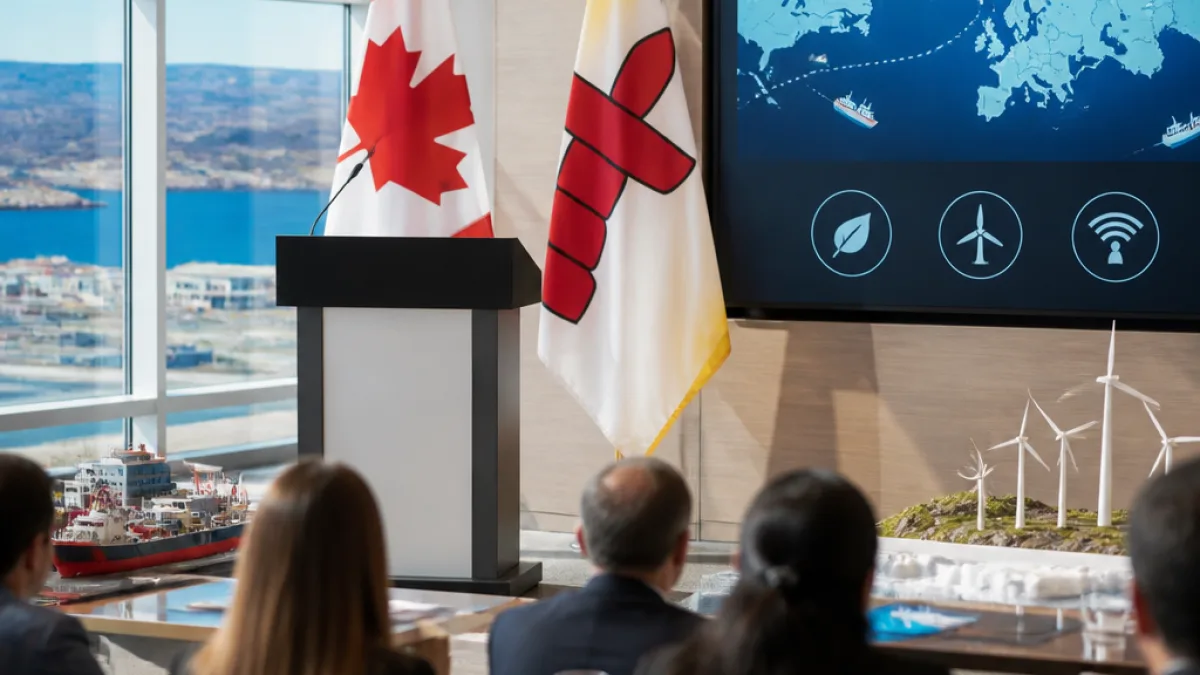
On Sept. 14, Nunavut Tunngavik Incorporated (NTI) and the Government of Nunavut hosted an event titled Nunavut: Building Canada’s Arctic Future on Bay Street. The session brought together Premier John Main, NTI vice-president Paul Irngaut, project proponents, investors, industry leaders and infrastructure partners to highlight the territory’s priorities.
Speakers emphasised that the projects are Inuit-led and designed to deliver benefits locally while contributing to the national economy. Officials framed the case for investment as both economic and strategic: better energy and communications, safer and more reliable transportation links, and improved marine access.
“Canada is focused on building a stronger and more resilient economy, and Nunavut has an important role to play,”
The summit appearance underscores a coordinated effort by territorial and Inuit institutions to place Nunavut prominently in the federal and private-sector investment agenda. Materials distributed at the summit indicate Nunavut features in the Canada Investment Summit Deal Book, signalling a concerted push to attract capital and partnerships.
What leaders want
Officials outlined priorities that span four main sectors. Each area responds to chronic challenges Nunavut communities face, such as high energy costs, unreliable internet connectivity, limited port capacity and constrained overland and marine routes.
- Clean energy: projects to provide more reliable, lower-cost power to communities and reduce reliance on diesel.
- Telecommunications: expanding high-speed networks to support education, health care and economic development.
- Transportation: improving airport and road links to reduce costs and improve access between communities and southern markets.
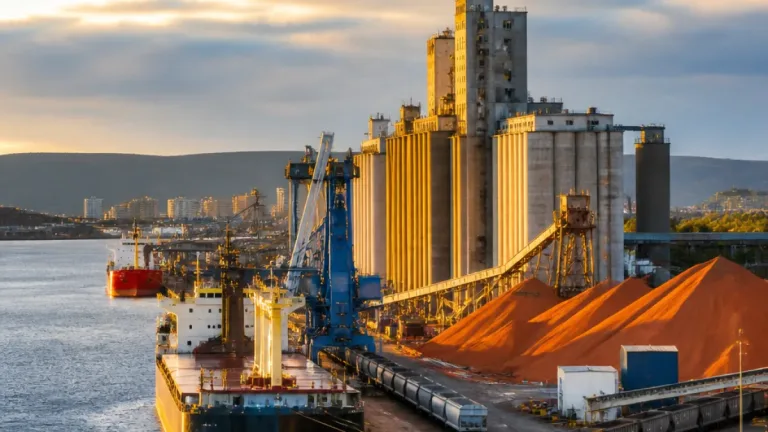
- Marine infrastructure: upgrading ports and harbours to enable safer resupply, greater export capacity and year-round access where feasible.
The event tied these elements together as foundational investments that “work three ways” — for communities, for resource development, and for Canada’s broader economic resilience, according to the session literature.
Local impact and national argument
Proponents argued investment in Nunavut would strengthen domestic supply chains and unlock critical-mineral development, while delivering direct benefits to residents through jobs, training and improved public services. For Nunavummiut, the promise is that infrastructure built now will reduce living costs, improve access to services and enable more local control over economic opportunities.
Speakers repeatedly stressed Inuit leadership in project planning and urged investors to consider partnerships that respect land claim obligations and community priorities. NTI’s involvement reflects federal-recognised Inuit authority over certain regional development decisions under the Nunavut Agreement.
Numbers at a glance
| Sector | Expected outcomes |
|---|---|
| Clean energy | Lower electricity costs, reduced diesel reliance |
| Telecommunications | Improved connectivity for health, education and business |
| Transportation | Safer, more reliable links to markets and services |
| Marine infrastructure | Expanded port capacity and safer resupply |
Exact project budgets and timelines were not released in the public summary distributed at the summit. The event was framed as a first step in building investor interest and moving from concept to concrete partnership agreements.
What to watch next
Nunavut delegates said follow-up will include more detailed project proposals for potential investors and discussions with federal partners about funding and approvals. Observers will be watching for:
- Specific funding commitments from federal and private sources;
- Partnership agreements that include Inuit authorities and community benefits;
- Timelines for project approvals, environmental assessment and construction.
For residents in Nunavut, the outcomes of these investor discussions have practical implications: lower power bills, faster internet for remote learning and telehealth, more reliable food and fuel shipping, and new jobs that keep more economic activity in the territory.
The push on Bay Street reflects a long-standing argument made by Nunavut leaders: that investments in Arctic infrastructure are investments in Canada’s future as much as they are in northern communities. How quickly that message converts into concrete dollars and shovel-ready projects remains to be seen.
Leah Qammaniq is the Nunavut correspondent for WE NEWS, reporting on territorial politics, Indigenous governance and Arctic development from the local perspective.