Growing idea aims to keep women moving safely in Iqaluit
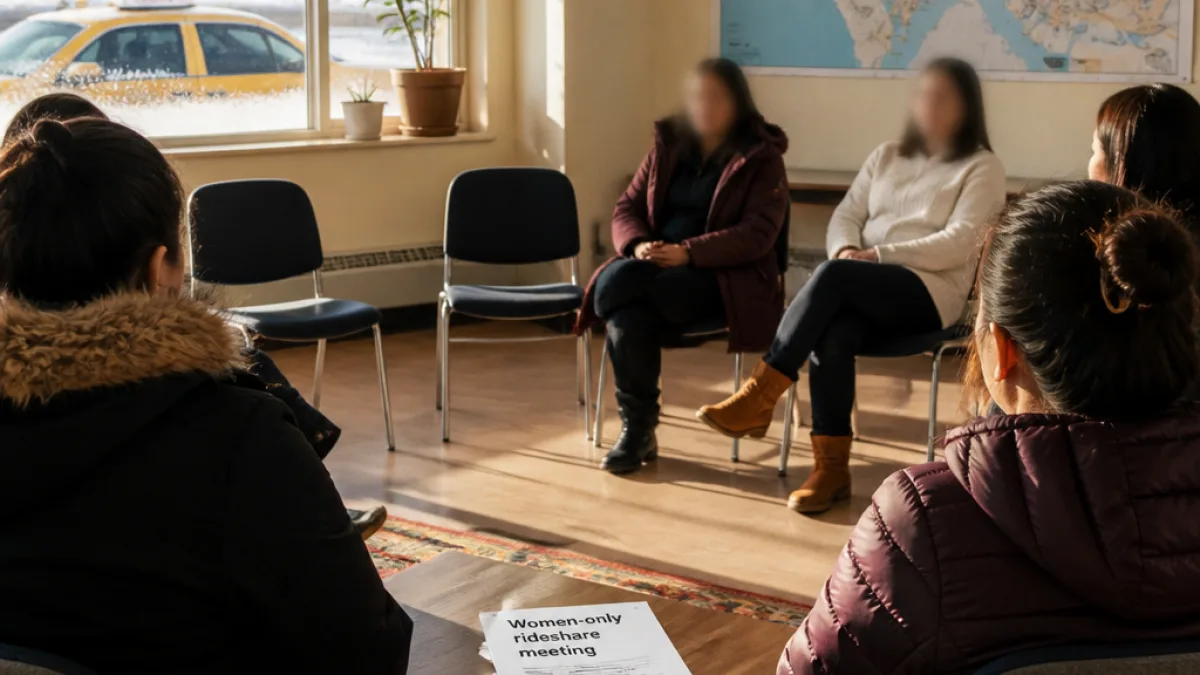
Worried about feeling unsafe in taxis, a 22-year-old college student in Iqaluit is organising a community discussion to explore women-only ridesharing and carpooling as a practical local response. The meeting, set for Aug. 27 at the YWCA-Agvik women’s shelter, aims to gather experiences from passengers and consider building a Facebook group, an app or informal carpool network.
The idea came from everyday moments: female friends calling or FaceTiming each other while travelling by taxi to shops or home from bars. Those calls, organisers say, are a form of mutual safety check — and a signal that many feel vulnerable when it comes to getting around town.
“[Drivers] have said creepy stuff to me, and I don’t want my friends or myself to deal with that,”
The organiser told reporters she had been called "baby girl" in a ride, offered wine, and even propositioned. She also described being followed or watched after being dropped off. When she feels unsafe, her priority has been getting home, not noting cab licence numbers — a reason she has not filed a formal complaint with Iqaluit’s largest taxi company.
Transport realities in a small Arctic city
In Iqaluit, where many services and social spaces are within a short distance but winter conditions, darkness and limited transit options make door-to-door transportation important. For some residents, taxis are the only reliable option late at night. That reliance can heighten the impact when a passenger feels uncomfortable.
Caribou Cabs, the city’s largest taxi service, says it has not received direct complaints from female passengers about inappropriate behaviour. Rod Mugford, the company’s business development compliance manager, acknowledged complaints can happen in any business but said none had been formally reported to the company.
Community meeting details
The Aug. 27 session is being framed as a space for survivors and people with concerns to share their stories and discuss practical steps the community can take to improve safety and mobility.
| What | Details |
|---|---|
| Event | Community meeting to discuss women-focused rideshare |
| Date | Aug. 27 |
| Time | 7 p.m. |
| Location | YWCA-Agvik women’s shelter, Iqaluit |
Options on the table
Organisers have suggested several possible models that could be explored at the meeting, each with different trade-offs for privacy, safety and ease of use. Options mentioned publicly include:
- Creating a private Facebook group where women can coordinate shared rides;
- Developing or using an app designed for women-centred ride coordination;
- Setting up an informal carpool network among friends and neighbours.
Each approach raises practical questions: how to vet and trust drivers, how to ensure safety for both drivers and passengers, and how to make a system accessible for elders, young people and those without smartphones. In small communities like Iqaluit, word-of-mouth and personal networks are a strong foundation, but formalising arrangements can add accountability.
Local context and next steps
Creating an alternate transportation network in Iqaluit would not solve all safety issues, but it could provide an option for those who feel unsafe using traditional taxi services. The meeting is an opportunity for women and other concerned residents to speak about specific incidents and to recommend steps that service providers, community organisations and city officials could take.
Whether participants opt for a grassroots rideshare list or push for policy and enforcement changes, this conversation points to a broader need: ensuring people can move about Iqaluit without fear. For many residents, this is not abstract — it shapes decisions about work, school and social life. Improving safety on the street and in transit systems is as much about community care and mutual support as it is about regulation.
The organiser has invited anyone with experience or interest to attend the Aug. 27 meeting at the YWCA-Agvik shelter. The space aims to centre women's voices and lived experiences as the community looks for practical, culturally informed solutions.