Harvey Weinstein was sentenced to 15 years in prison on Wednesday after a New York jury found him guilty in a high‑profile retrial of sexually assaulting former production assistant Miriam Haley.
Judge cites lack of responsibility; survivor speaks
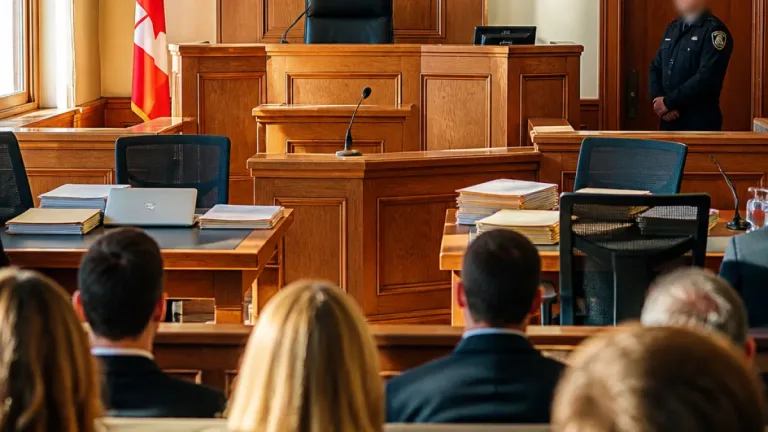
The sentence, imposed in a downtown Manhattan courtroom, will be followed by five years of supervised release and a requirement that Weinstein register as a sex offender. The 15‑year term comes more than a year after jurors returned guilty verdicts in the retrial.
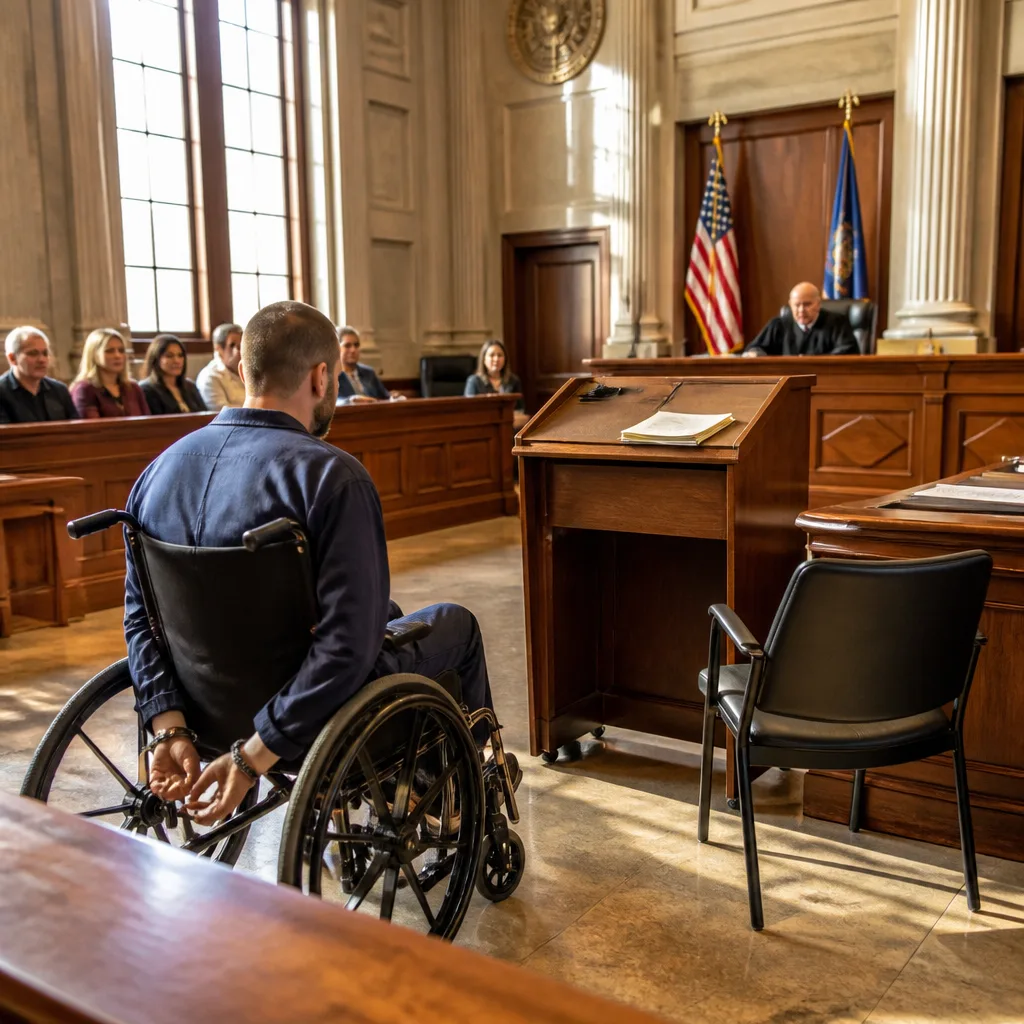
Weinstein appeared in court seated in a wheelchair with his hands cuffed to the chair. A victim impact statement read in court by Haley described the lasting effects of the assault, saying the abuse of power had produced a “devastating effect” on her life and security.
“It is a life sentence for me,” Haley said.
Weinstein addressed the court, denying the allegations while offering an apology to “anyone I may have hurt by my actions,” and saying, “I am not a perfect person… I am not a violent man.”
In handing down the sentence, Judge Curtis Farber sharply criticised Weinstein’s conduct and demeanour. The judge said the accused had “taken what you wanted by force” and had failed to accept responsibility.
Legal history and the path to Wednesday’s sentence
The sentencing concludes a protracted string of trials, appeals and court proceedings that has kept Weinstein in custody since his arrest in 2018, a case closely associated with the rise of the #MeToo movement.
Key points in the case include:
- In 2020 Weinstein was convicted on charges including third‑degree rape and first‑degree criminal sexual act and received a 23‑year sentence.
- An appeals court overturned aspects of that conviction in 2024 and ordered a new trial.
- Following the retrial, Weinstein was again convicted in June 2025 of a first‑degree criminal sexual act involving Miriam Haley.
Manhattan District Attorney Alvin Bragg, speaking after the sentencing, framed the day as one for survivors, saying he was moved by their courage and perseverance through what he called a challenging legal process.
Consequences and context
The ruling renews focus on the criminal accountability of powerful figures in entertainment and the challenges of prosecuting historic allegations. The sequence of convictions, reversal and retrial underscores the complexity of high‑profile sex‑crime prosecutions, where appellate rulings can reshape trial outcomes and sentencing.
Weinstein’s continued incarceration follows years of litigation that have included multiple trials and legal challenges. The sentence also imposes long‑term obligations through supervised release and sex‑offender registration, measures intended to monitor behaviour after confinement.
| Year | Event |
|---|---|
| 2018 | Weinstein arrested |
| 2020 | Convicted; sentenced to 23 years |
| 2024 | Appeals court overturned conviction; new trial ordered |
| 2025 | Retrial conviction in June; sentencing to 15 years in 2026 |
The case remains a focal point for discussions about workplace power dynamics, the credibility of survivors in sexual‑misconduct cases, and the ability of the criminal justice system to deliver finality in complex, prolonged prosecutions.
Prosecutors have emphasised survivor testimony and persistence through appeals in securing the latest conviction. Defence statements in court reiterated Weinstein’s denials and offered limited apologies without admitting the acts alleged by prosecutors.
Wednesday’s sentencing marks another major development in a legal saga that began nearly a decade ago and that has had wide cultural and legal reverberations beyond the courtroom.