Province provides seed funding for new highway cameras in Waterloo region
The Ontario government announced Wednesday it will provide $100,000 to begin installing CCTV cameras equipped with automated licence plate recognition (ALPR) technology along provincial highways in Waterloo region. The announcement was made at the Waterloo Regional Police Service (WRPS) headquarters by Solicitor General Michael Kerzner, who was joined by Regional Chair Karen Redman and WRPS Chief Mark Crowell.
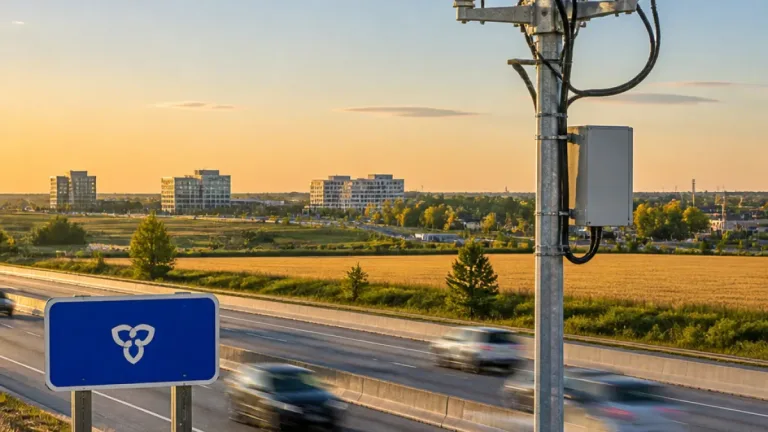
The new cameras are intended to deter crime and assist investigations, and will integrate with the existing CCTV network already operated by the police service across the region. Officials say the funding is seed money to start the project; the exact number of cameras and their locations have not yet been determined.
"When we have public safety that's strong, everything revolves around it. People invest in communities, entrepreneurs come to communities like Waterloo region, which was the home of so many innovations over the years," Kerzner said at the announcement. "New subdivisions are built, schools are built, hospitals are built. People will come here because the region is safe."
How the system will work and local context
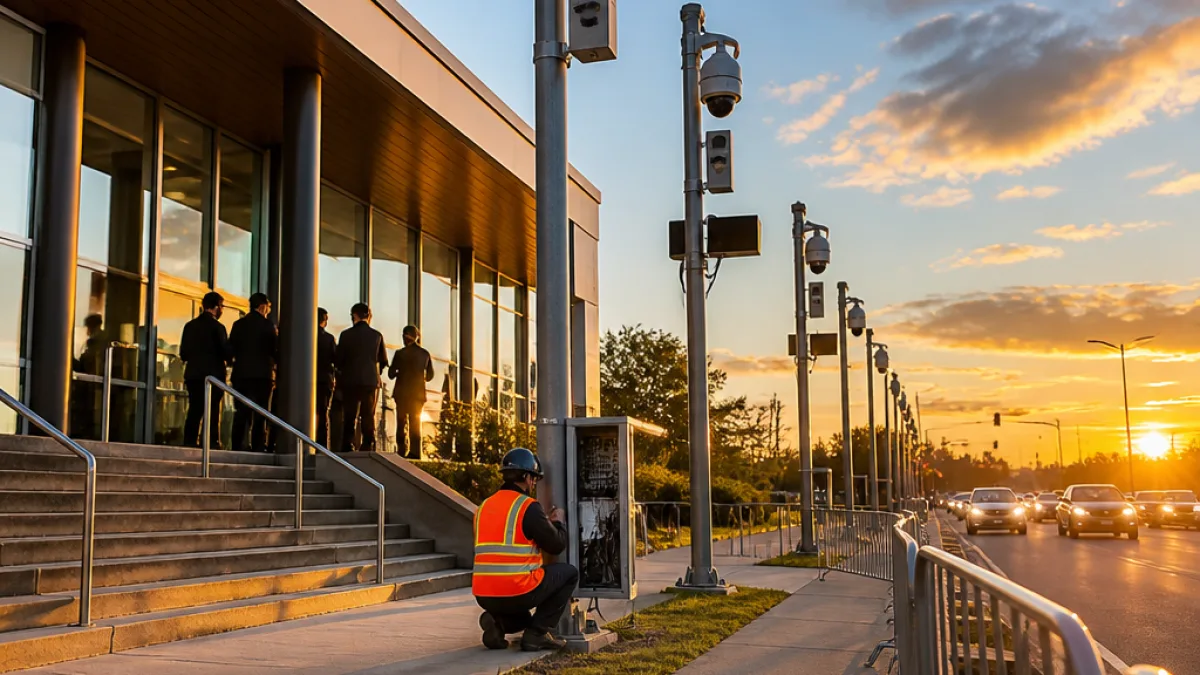
The cameras announced Wednesday will use CCTV for visual monitoring and ALPR to capture licence-plate information. Police services commonly use ALPR to quickly identify vehicles of interest, including stolen vehicles, vehicles connected to outstanding warrants, or those linked to active investigations.
WRPS already operates an existing CCTV camera system with cameras positioned throughout the Waterloo region; the new provincial cameras are intended to complement that infrastructure and focus on stretches of provincial highways that run through the region. Officials have not released a timeline for deployment or the precise corridors that will be targeted.
- Funding: $100,000 from Ontario provincial government (seed funding)
- Technology: CCTV cameras with automated licence plate recognition
- Partners present: Ontario Solicitor General, Waterloo Regional Police Service, Waterloo Region officials
- Unknowns: exact number of cameras, precise locations, deployment timeline
Local implications: safety, investigations and privacy
Officials framed the funding as an investment in public safety and economic confidence. In remarks at WRPS headquarters, the Solicitor General tied visible policing infrastructure to broader community goals such as attracting businesses, housing development and services.
For residents of Waterloo and neighbouring municipalities, the project promises potentially faster identification of vehicles involved in crime and support for highway-related investigations. For police, integrating provincial cameras with existing municipal systems could broaden coverage along key travel routes and help link incidents across jurisdictions.
At the same time, the use of ALPR and increased camera coverage often raises privacy and civil liberties questions. The announcement did not include details on data retention, access controls, oversight mechanisms or whether data collected by the provincial cameras will be subject to specific limits on storage and sharing. Those details typically matter to both municipal officials and privacy advocates as systems expand.
| Item | Known detail |
|---|---|
| Funding amount | $100,000 (seed money) |
| Technology | CCTV with automated licence plate recognition |
| Announcement location | Waterloo Regional Police Service headquarters |
| Exact camera count and locations | Not yet determined |
Next steps and what residents should expect
With only initial funding announced, the project appears to be in a planning and scoping phase. Residents and local leaders can expect further briefings as the province and WRPS determine where cameras will be deployed and how the system will operate. Questions over data governance, oversight and how ALPR matches will be handled are likely to surface as details are finalised.
Until then, officials say the investment is aimed at making roadways and communities safer and supporting police efforts to prevent and investigate crime along provincial highways that serve Waterloo region.