Ambitious growth targets and near-term milestones
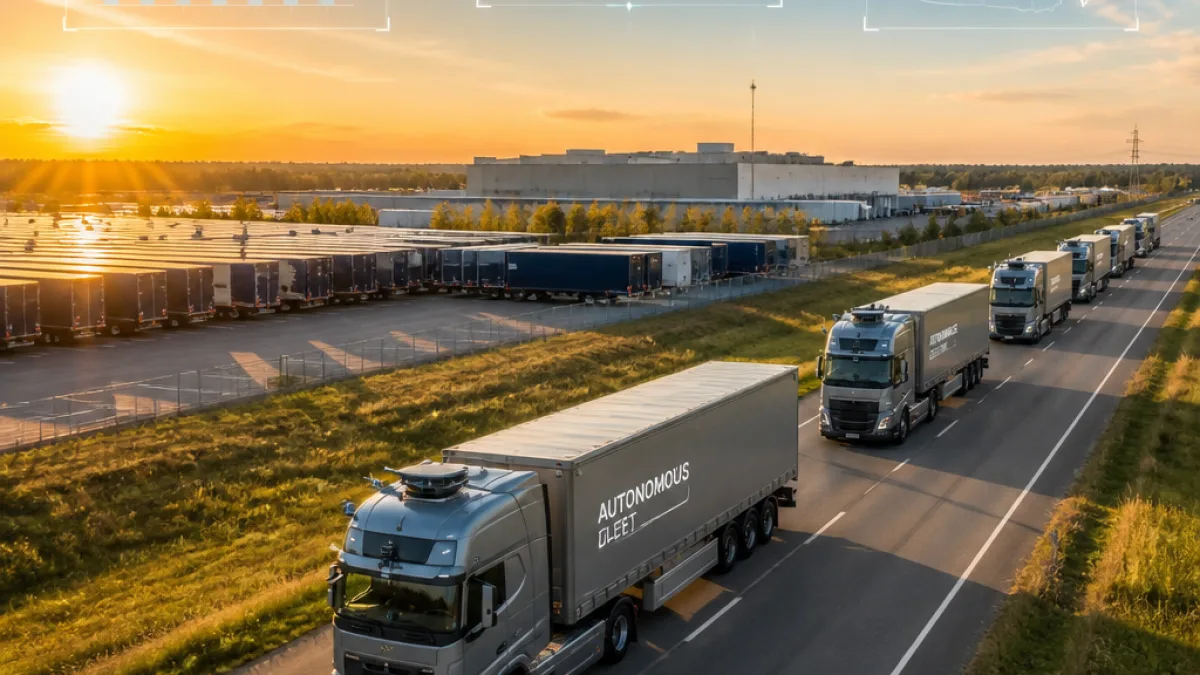
Aurora Innovation said Wednesday it is aiming to have more than 30,000 driverless trucks in service by 2030, a dramatic scale-up from the roughly 200 vehicles it expects to have on the road by the end of this year.
The autonomous-driving developer set out the plan at its Analyst and Investor Day in Dallas on Sept. 23. Attendees were offered rides in Aurora Driver-equipped trucks on a portion of the company’s Dallas-to-Houston commercial route as the firm described how it intends to expand operations under different commercial models.
Company figures presented at the event emphasise both utilisation and hardware durability as pillars of the growth strategy. Aurora says its driverless trucks have logged more than 500,000 miles (800,000 km) since commercial operations began, and that trucks operating for customers including McLane and Werner are averaging an annualised utilisation rate in excess of 225,000 miles (360,000 km) per year — more than double that of a traditional truck, the company said.
“Transformative technologies develop for years before reaching a decisive commercial inflection point – Aurora has arrived at that moment,” said Chris Urmson, co-founder and CEO of Aurora.
Business models and production steps
Aurora described two primary models for growth. Under its Transport as a Service (TaaS) offering the company is fully allocated to reach 200 trucks in operation by year-end. Separately, fleets can adopt its Driver as a Service (DaaS) approach: the carrier Hirschbach intends to own and operate 500 Aurora-powered trucks, with deliveries scheduled to begin in 2027. Aurora said it is in negotiations for additional DaaS agreements with other fleet operators.
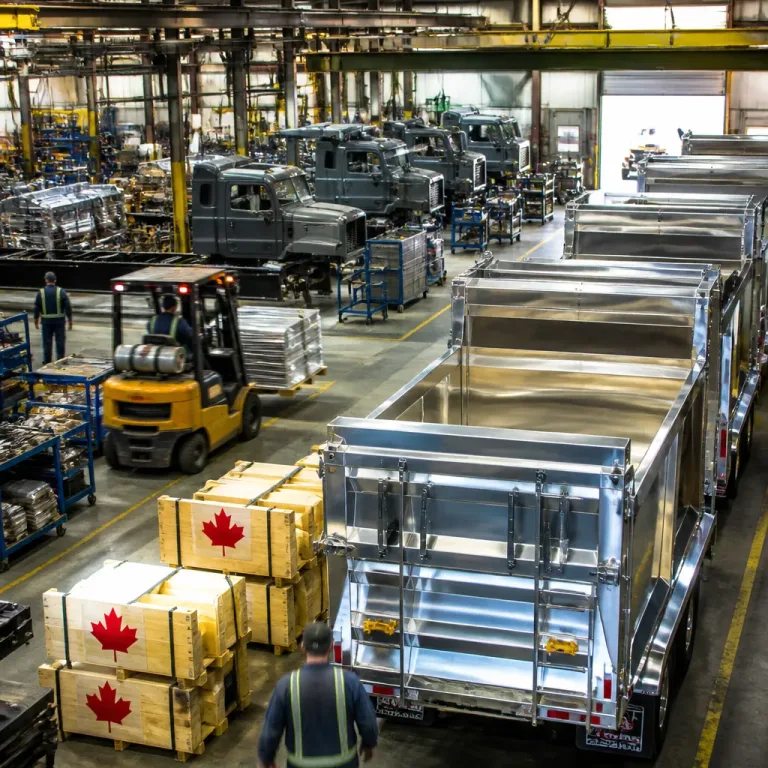
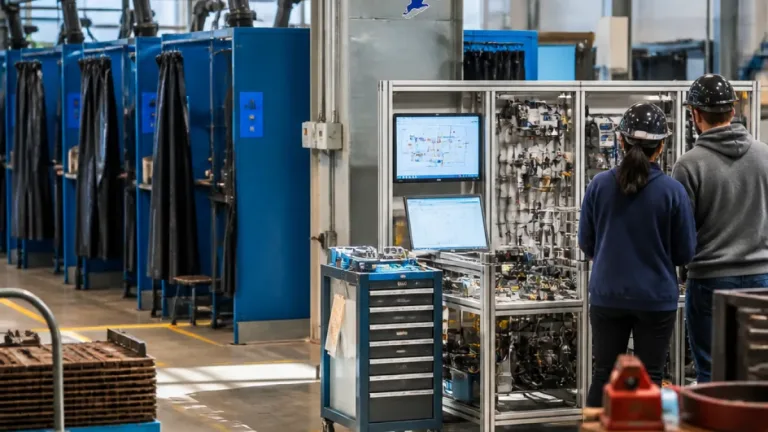
On the manufacturing side, Aurora told investors its second-generation commercial hardware kit is engineered for a one-million-mile operating life while costing less than half as much as the first-generation system. Roush, which Aurora named as an upfitting partner, has begun volume upfitting and is targeting production of 20 trucks per week in October. The company also noted integration work with vehicle makers, mentioning that the Aurora Driver is being upfitted onto International LT Series trucks and that Volvo is integrating the technology into its VNL Autonomous production line.
What the numbers mean for the broader freight network
The figures presented by Aurora point to a business case built on high utilisation and durable hardware. If trucks can sustain the annualised mileage the company cites, operators could see more continuous asset utilisation than with conventional long-haul tractors. Aurora framed that proposition as unlocking safety benefits and substantial economic value "across the freight ecosystem." The company also highlighted that its vehicles have nearly doubled the number of customers in 2026.
- Short-term target: 200 trucks in operation by year-end under TaaS
- Mid-term partner commitment: Hirschbach to operate 500 Aurora trucks beginning 2027 under DaaS
- Long-term goal: over 30,000 driverless trucks by 2030
| Metric | Figure |
|---|---|
| Miles driven (accumulated) | 500,000 miles (800,000 km) |
| Annualised utilisation cited | 225,000 miles (360,000 km) per truck |
| Target production rate (Roush) | 20 trucks per week (starting October) |
For communities that rely on steady freight connections and regional trucking employment, the shift Aurora describes could have wide-ranging implications. Higher equipment utilisation and remote operation models may change how fleets schedule drivers, maintain vehicles and plan routes. At the same time, Aurora framed its expansion as a safety and efficiency play — a common argument from autonomous-vehicle firms seeking regulatory support and commercial partners.
While the company’s targets are ambitious, the information presented at Dallas gives a clear timeline and several measurable benchmarks to watch over the next four years. Observers will monitor operational safety records, regulatory developments and the pace of customer adoption as Aurora attempts to move from proof-of-concept to mass commercial deployment.
Locally, residents and businesses in Ontario and across Canada will be watching whether the projected economies of scale and increased utilisation translate into lower freight costs, changes in long-haul driving employment, or altered traffic and logistics patterns on major corridors. For now, Aurora’s investor day offers a roadmap and a set of milestones that industry players and regulators will be tracking closely.