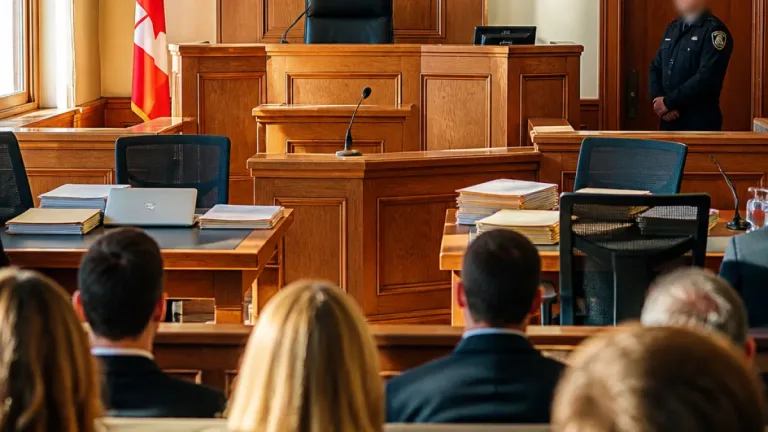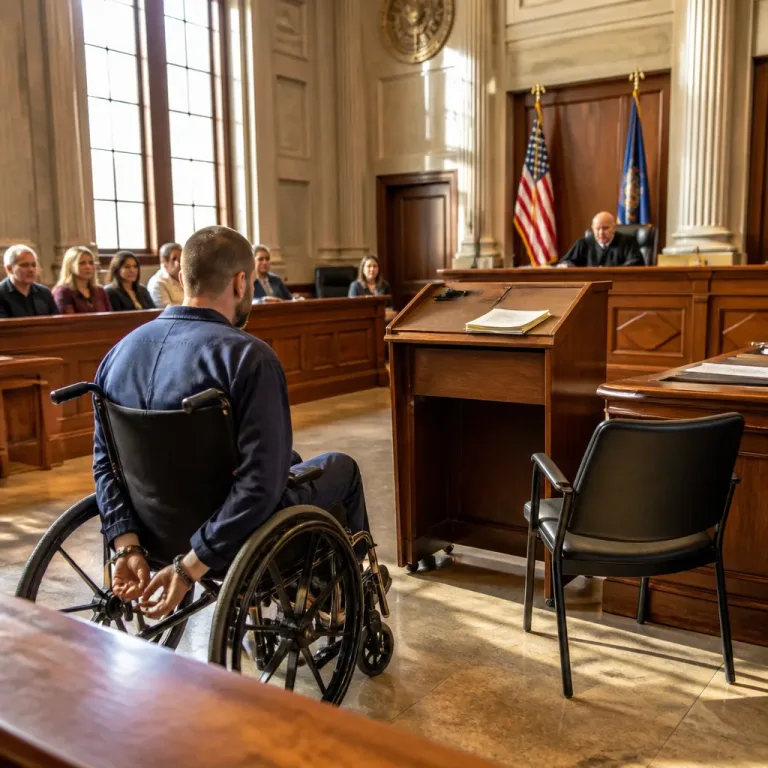
The Ontario Court of Justice in Newmarket opened a sentencing hearing Wednesday for Kenneth Law, a former Mississauga chef who pleaded guilty in May to 14 counts of aiding suicide in connection with the deaths of 14 people in the province.
Victims' families speak directly to court
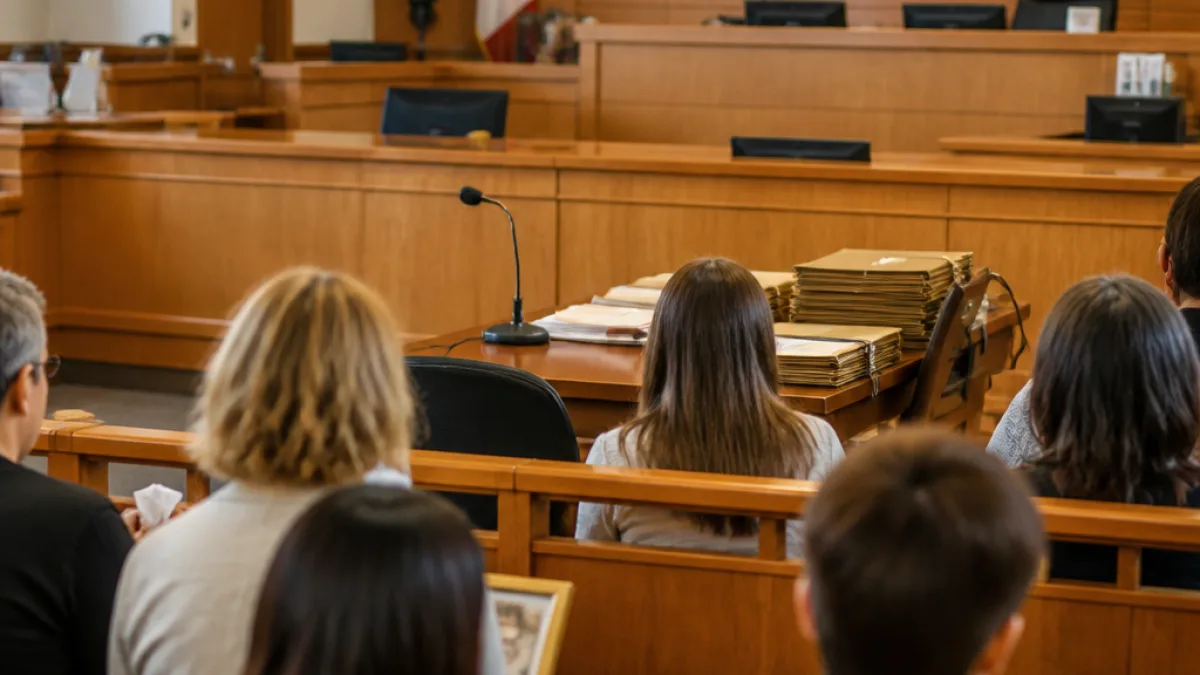
Over the coming days, the court will hear an estimated 74 victim impact statements. Family members and friends are expected to appear in person, provide recorded statements or have their words read aloud by Crown prosecutors. The proceedings are giving those who remain a formal forum to describe the void left by sudden, preventable losses.
In one statement read in court by the Crown, Jeshennia Bedoya-Lopez’s father recounted the persistent and destabilizing grief his family endures after discovering the 18-year-old’s body four years ago. He described a household fractured by sorrow and said he feels overwhelmed by the inability to protect his daughter.
"As a father and as a husband, the powerlessness is devastating," the statement read. "I couldn't save my daughter from what happened. I can't erase my wife's pain. I can't erase my own. All I can do now is fight so that losing our daughter doesn't mean also losing each other."
Charges, pleas and legal context
Law initially faced a broader slate of accusations that included first-degree murder charges relating to the same victims. His guilty plea in late May to 14 counts of aiding suicide was entered weeks before a scheduled trial. Prosecutors have indicated they will seek to withdraw the murder charges after the court hands down sentence.
Under Ontario law, a conviction for aiding suicide carries a maximum sentence of 14 years' imprisonment. Both Crown and defence counsel are expected to make recommendations to the judge about what constitutes an appropriate punishment, taking into account the nature of the offences and the extensive, documented harm to families.
| Detail | Count / Note |
|---|---|
| Counts pleaded guilty (aiding suicide) | 14 |
| Victim impact statements expected | 74 |
| Maximum sentence for aiding suicide | 14 years |
Local dimensions and wider fallout
The case has drawn attention across Ontario and internationally because prosecutors linked Law to deaths beyond provincial borders. In court here, however, the focus remains intensely local: grieving families, the criminal justice system's response to facilitated deaths, and the limits of accountability for someone who allegedly supplied means used in tragic decisions.
Those who have attended appearances outside the courtroom say the emotional weight is palpable. Some relatives have travelled to Newmarket to watch the proceedings; others have submitted recordings or written statements. For many, the hearing is as much about public recognition and official record as it is about sentencing.
What comes next
Sentencing submissions from Crown and defence will outline legal arguments and proposed penalties. The judge will consider aggravating and mitigating factors, including the number of victims, Law’s role in the deaths, any prior criminal history and the emotional impact documented through the victim statements.
- Victim impact statements give families a formal avenue to describe harm and seek recognition.
- Legal outcome will set a precedent for how courts address cases where supply of items or assistance is linked to multiple deaths.
- Community response may include calls for policy review around online sales of materials that can be used to self-harm, though such measures were not part of the court record.
As the hearing unfolds, it will test the capacity of Ontario’s courts to balance retribution, deterrence and the needs of victims’ families. The judge’s eventual decision will bring clarity to how the province punishes those convicted of facilitating others’ deaths and may influence related prosecutions going forward.
Reports from the courthouse indicate the emotional testimony will continue over multiple days. Sentencing in such matters can be delayed while the court considers the volume of victim submissions and other evidentiary matters; a final sentence has not yet been scheduled publicly.
This case remains a focal point for families searching for closure and for a community grappling with how to prevent further tragedies. The court’s handling of the sentencing — from the treatment of victims’ voices to the punishment imposed — will be closely watched across the province.