Regional CCTV rollout already aiding Cambridge investigations
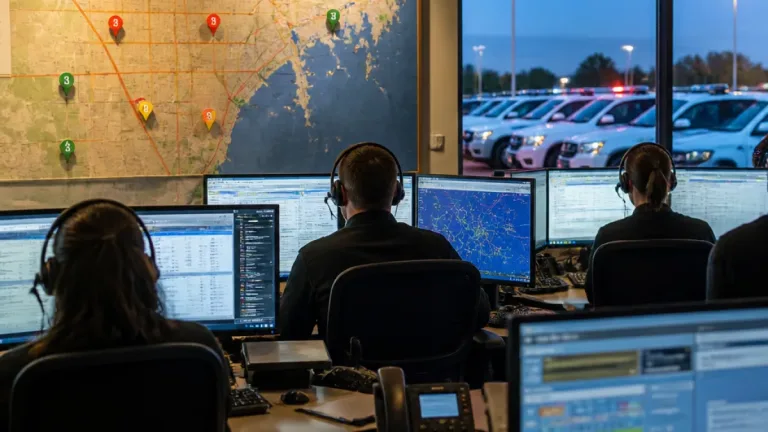
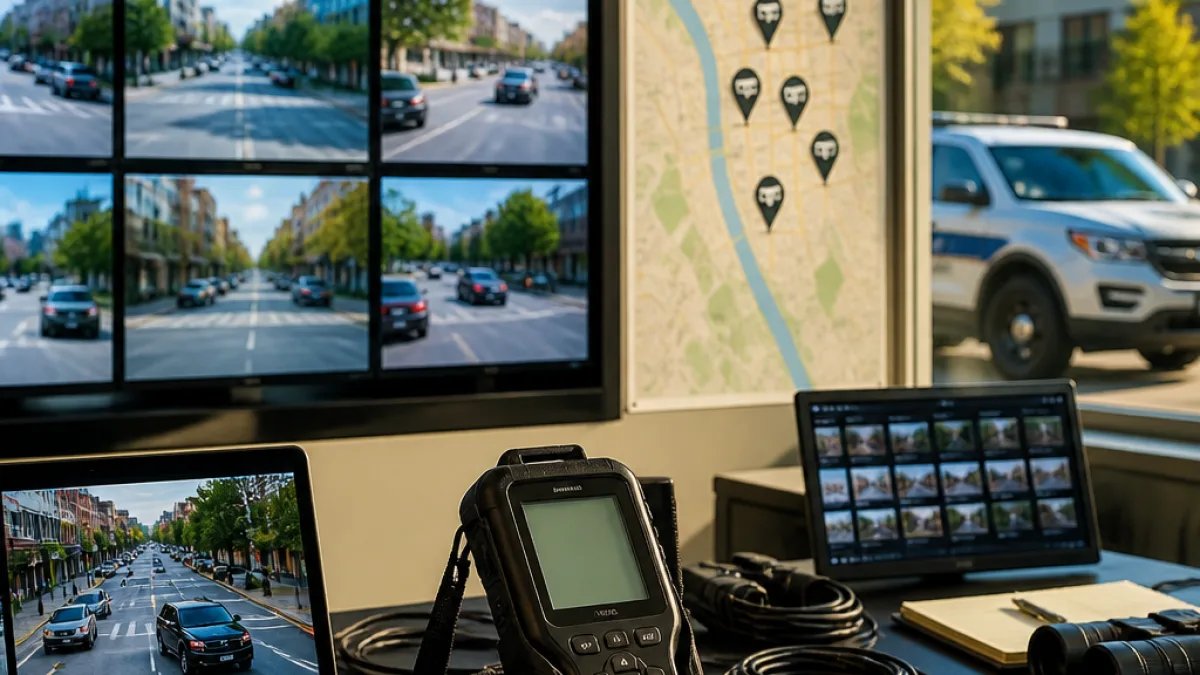
The Waterloo Regional Police Services (WRPS) told its oversight board this week that the region’s new closed-circuit television (CCTV) network and integrated automated licence-plate recognition (ALPR) have been used in a variety of criminal probes — including a notable share in Cambridge.
In a progress report covering the first 44 days of operation, Inspector Jarrett Brown from WRPS’s Innovation and Modernization division said the cameras were used in 19 separate investigations. The footage and plate-recognition data were applied to cases ranging from sexual assault and robbery to dangerous driving, impaired driving, fraud and collisions.
“Our investigative teams are finding value across multiple areas of policing and are beginning to treat the CCTV program as another available source of evidence when developing investigative leads.” — Inspector Jarrett Brown
Brown told the board the cameras have both confirmed allegations and, in some instances, shown that reported incidents did not occur, allowing investigators to redirect resources.
- Uses recorded in the report include verification of witness statements and identification of vehicle movements.
- The technology helped verify an incident in North Dumfries where an alleged impaired driver had reportedly fallen asleep at a red light.
- In one case, footage helped confirm that a reported serious crime had not taken place.
Deployment and Cambridge figures
According to the update, the regional program had 12 cameras operational and 28 cameras deployed at the time of the report. The WRPS said the CCTV and ALPR tools were used 10 times in Cambridge, eight times in Waterloo and once in North Dumfries. Cameras near Kitchener’s Fairview Park Mall were not included because they were not installed until Aug. 6.
| Metric | Count |
|---|---|
| Cameras operational | 12 |
| Cameras deployed | 28 |
| Investigations using CCTV | 19 |
| Uses in Cambridge | 10 |
Board members responding to the report expressed cautious optimism and asked whether the early results could help inform municipalities that have yet to permit cameras on municipal property.
The rollout has not been uniform across the region: Woolwich and Wellesley councils had not yet made final decisions on allowing installations on municipal property, while Wilmot Township Council had opted not to proceed with the program.
Local implications and questions ahead
For Cambridge residents the initial figures highlight two immediate implications. First, the program is already being used in local investigations, suggesting quicker access to investigatory leads for crimes involving public spaces and vehicle movements. Second, the uneven uptake among regional municipalities means the coverage map remains patchy; gaps in camera siting could limit the network’s effectiveness for cross-jurisdictional incidents.
Privacy, oversight and transparency remain central concerns in public discussion of CCTV and ALPR systems. The police board’s update was framed around investigative value, but councillors asked whether the findings could help sway municipalities that have put decisions on hold.
WRPS said it hopes to activate at least one additional camera each in Kitchener, Waterloo and Cambridge in the coming weeks, expanding the network’s reach. As installations proceed, municipal councils and the regional board will be watching whether the early investigative gains persist and whether those gains outweigh public concerns about surveillance and data use.
For now, the report provides a data-driven snapshot: in its first month-and-a-half, the CCTV and ALPR program has been a tangible investigative tool in Cambridge and elsewhere in Waterloo Region, but the program’s long-term role will hinge on further deployments, council decisions and public debate.