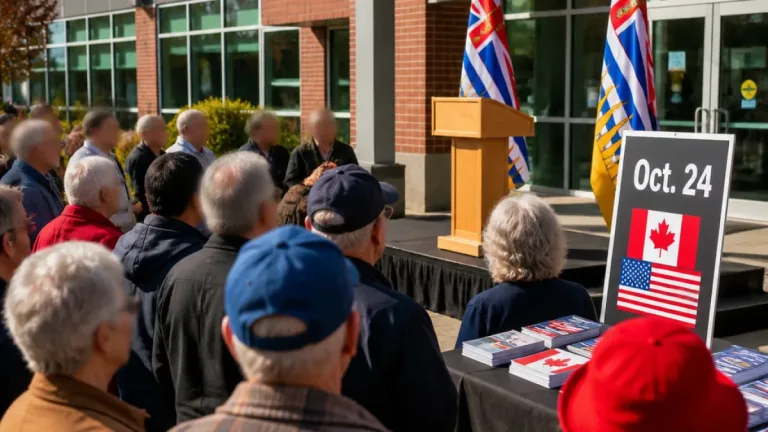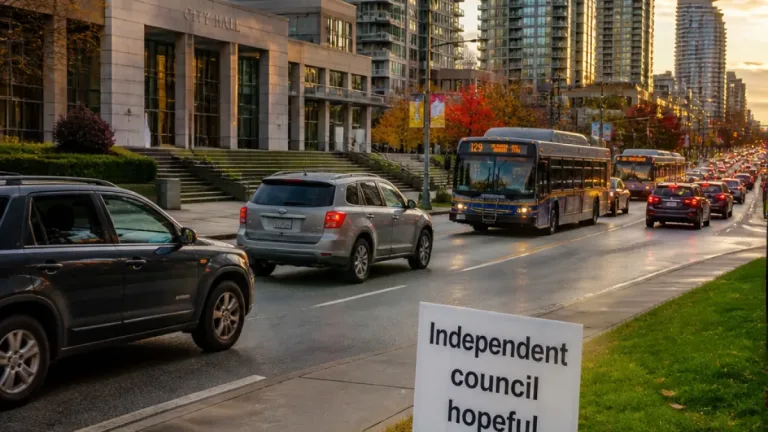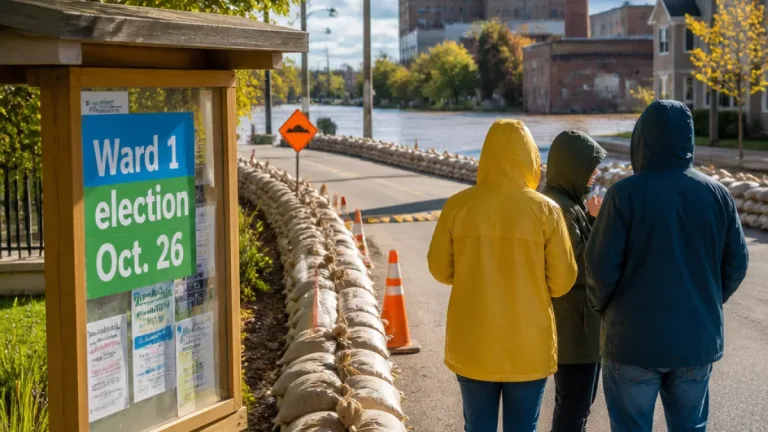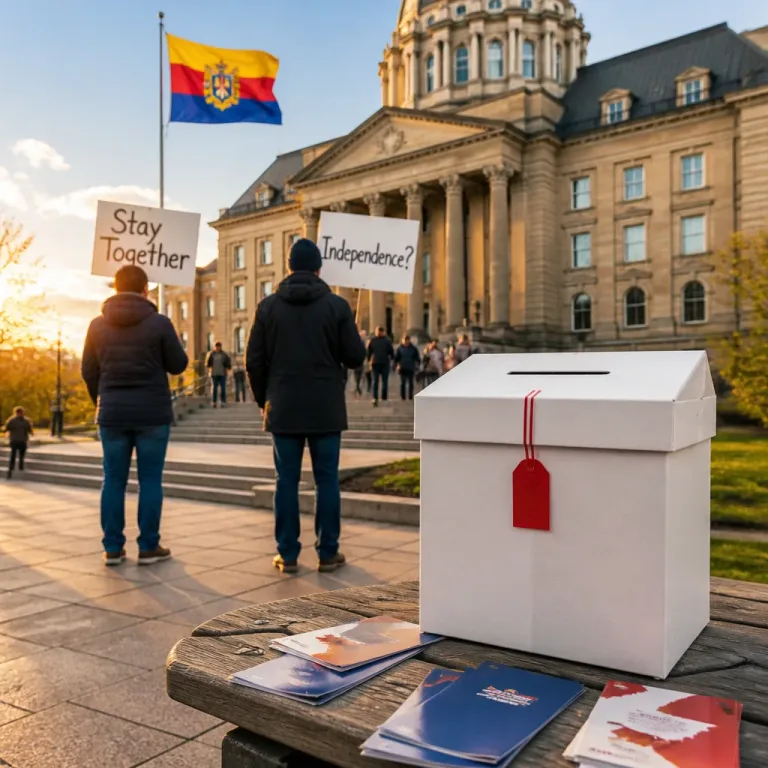
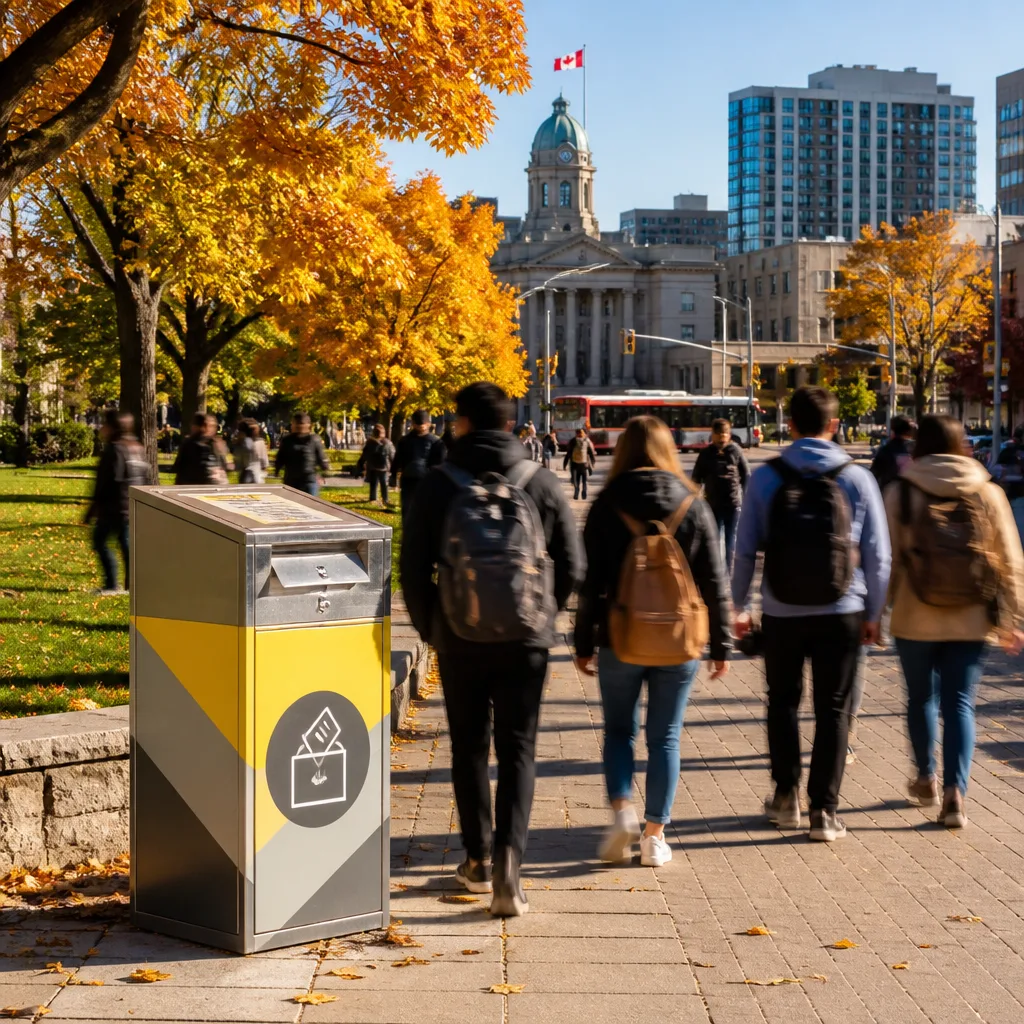
With municipal elections in British Columbia scheduled for Oct. 17 and a provincial vote set to follow one week later, participation among younger voters—especially post‑secondary students—remains a glaring weakness in local democracy. Recent trends suggest that municipal contests draw markedly fewer voters than provincial or federal elections, leaving decisions on housing, transportation and community planning to a smaller, typically older electorate.
Why municipal ballots matter
Local governments are responsible for many policy areas that directly affect students and residents’ daily lives: land‑use decisions and rezoning; transit and transportation planning; parks and recreation; road maintenance and emergency services; and the municipal budgets that fund them. When turnout is low, choices about those services are made by a narrower slice of the public.
"Local councils shape our daily lives,"
The gap in voter participation is stark: municipal elections in recent cycles have attracted roughly 30 per cent of eligible voters, compared with about 58 per cent in provincial contests and 68 per cent federally. Among post‑secondary students—who generally skew younger—turnout is likely substantially lower than the municipal average.
Barriers to student engagement
The reasons for lower participation among students are practical and structural. Municipal campaigns are often less partisan and frequently lack party labels that many voters use as decision shortcuts. That means voters must invest more time to learn candidates’ positions. For students balancing classes, jobs and, for some, lengthy commutes, that time can be scarce. Weekly council meetings and municipal committee work demand attention that many students cannot spare.
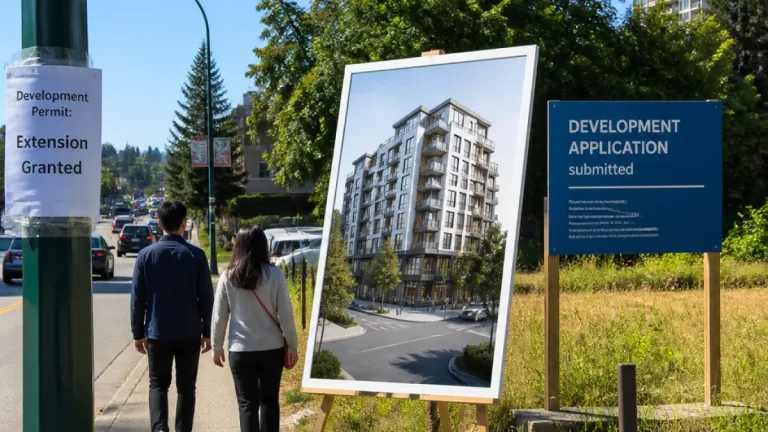
At the same time, the issues at stake are immediate for students: rezoning approvals and permits can determine whether new housing near campuses appears; transportation plans affect the reliability and affordability of commutes; long‑term infrastructure investments influence future tax burdens. When students do not cast ballots, they risk leaving those choices to others whose priorities may differ.
- Housing: Rezoning and permitting decisions shape supply and affordability near campuses.
- Transportation: Local transit and road planning determine access to work, class and services.
- Long‑term costs: Infrastructure decisions influence future municipal spending and tax impacts.
What the timing means
The proximity of the municipal and provincial elections compounds information costs for voters. When two major elections occur close together, voters must parse candidate records and platforms across multiple levels of government in quick succession. That can favour better‑resourced campaigns and voters with more time to research, while disadvantaging transient or time‑poor populations such as students.
Student representation in municipal politics can be effective when it exists. The source material notes past success where elected representatives have championed student concerns at the local level, illustrating that when students’ voices reach council chambers, they can shape outcomes. But that representation depends on turnout—and on finding candidates prepared to prioritise issues that matter to younger residents.
| Election type | Approximate turnout |
|---|---|
| Municipal | 30% |
| Provincial | 58% |
| Federal | 68% |
Low municipal turnout carries consequences beyond immediate policy decisions. It can skew the composition of councils, reduce accountability and limit the electoral incentive for candidates to prioritise issues affecting younger residents. That dynamic may also reduce pressure on councils to act on housing supply or transit investments that would benefit students and lower‑income residents.
For students and other under‑represented groups, the remedy is straightforward though not simple: participation. Casting a ballot is one of the most direct tools for influencing municipal decisions. Where time for meetings is limited, choosing representatives who will advocate on students’ behalf becomes even more critical.
With two important votes scheduled within a week of each other in B.C., the coming weeks will test whether transient and younger voters can overcome the practical hurdles to participation—and whether municipalities respond to a public that increasingly expects local government to tackle questions of affordability and access.