Armenia’s performance on a recent international assessment shows a marked deterioration in student learning, with 15-year-olds recording scores that place the country behind regional peers it previously outperformed. The results raise urgent questions about curriculum, instruction and the impact of educational policy changes over the last decade.
Historic gains lost
Two decades ago, Armenian students ranked substantially higher in global and regional comparisons. In the early 2000s, eighth-grade pupils posted scores that were well above those of Turkey and Georgia: in one international assessment Armenia recorded 478 in mathematics and 461 in science in 2003, improving to 499 in mathematics and 488 in science by 2007.
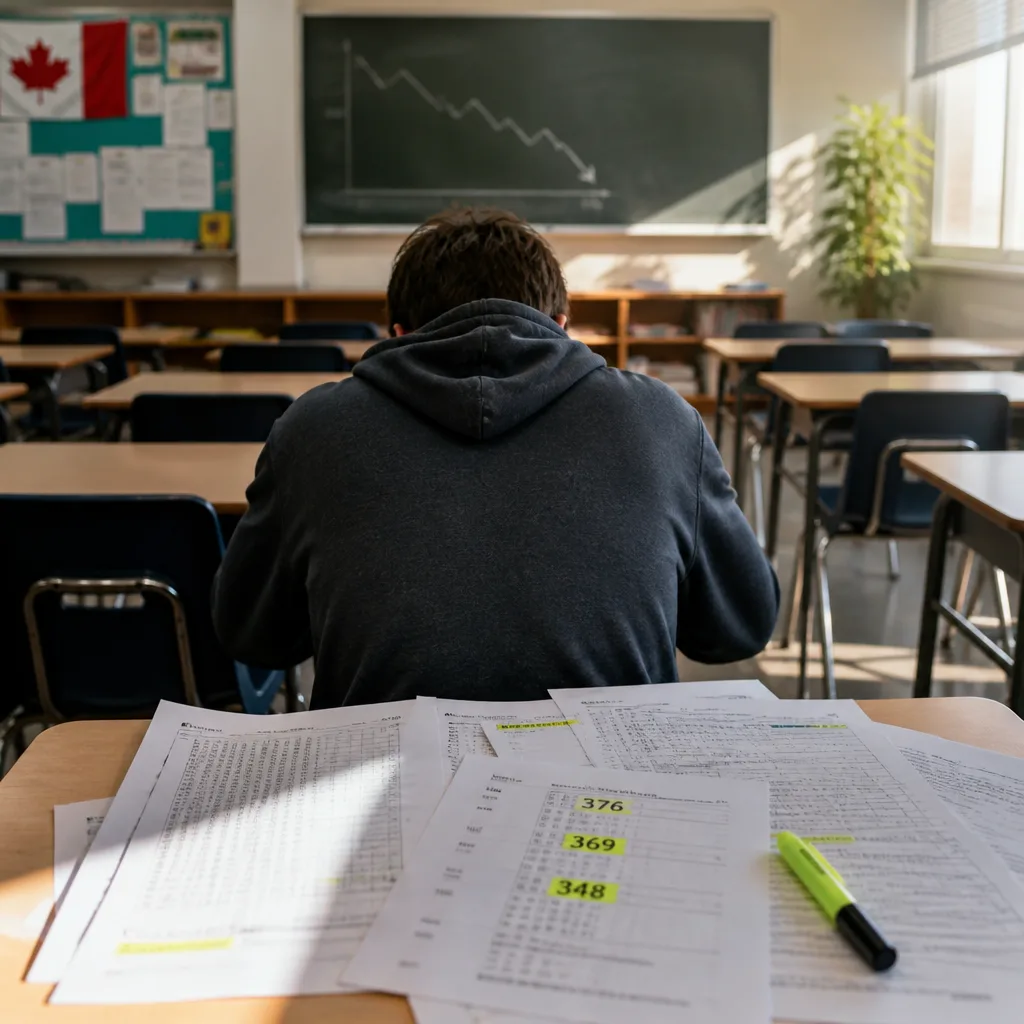
By contrast, the latest round of testing — administered to 15-year-olds — returned much lower marks: 376 in mathematics, 369 in science and 348 in reading. Those numbers mean Armenia now trails Georgia, Azerbaijan and Turkey across all three subjects.
| Year / cohort | Mathematics | Science | Reading |
|---|---|---|---|
| 2003 (eighth grade) | 478 | 461 | — |
| 2007 (eighth grade) | 499 | 488 | — |
| Latest (15-year-olds) | 376 | 369 | 348 |
Proficiency and implications
Proficiency rates in the most recent assessment are particularly concerning. Only 28 per cent of tested students met basic thresholds in mathematics and science; in reading that figure falls to 19 per cent. Put differently, roughly four out of five 15-year-old students did not demonstrate basic reading proficiency on this international measure.
- Mathematics: 376 (latest) versus 499 (2007)
- Science: 369 (latest) versus 488 (2007)
- Reading proficiency: only 19% of students reached the basic level
These outcomes matter for both individual life chances and national priorities. Lower proficiency can limit access to further education and employment, and has been discussed in Armenia as a matter of public safety and state capacity.
"functional illiteracy had become a national security problem."
The comment above was publicly made by the prime minister in 2022, and the most recent test results underscore the severity of the challenge his government identified years ago. The students assessed would have been around seven or eight years old when current leadership assumed power in 2018, meaning much of their schooling occurred under the present administration.
Policy shifts under scrutiny
Observers point to a series of changes in recent years that may have influenced outcomes: disruption within the education system, curriculum revisions, shifting standards and the increasing presence of ideological considerations in schooling. The precise contribution of each factor to the decline cannot be isolated from the assessment data alone, but the scale of the drop and the reversal of regional standing make a clear case for sustained policy review.
For teachers, families and students, the data are a call to action. Reversing a long-term slide in learning typically requires coordinated efforts: strengthening teacher training and support, aligning curricula with international standards, ensuring consistent assessment and remediation, and protecting classroom time from non-educational interference.
International comparisons can be blunt instruments, but they remain useful signals. For Armenia — once among the stronger performers in its neighbourhood — the recent results signal a need for urgent, evidence-based reform to restore standards and improve outcomes for the current generation of learners.