Fenway Health has acknowledged an IT incident that disrupted some services last week, saying it is working with external experts to restore systems but declining to confirm whether the problem was a cyberattack.
What Fenway Health says
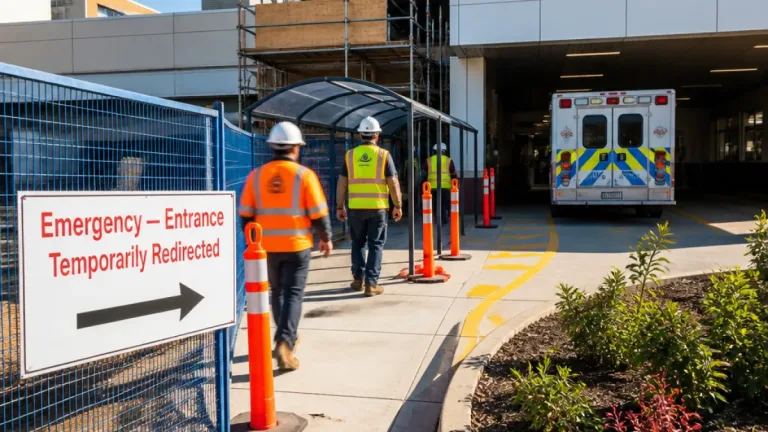
The Boston-area hospital system — which serves more than 30,000 patients including many from the Fenway neighbourhood and LGBTQ+ communities — posted a notice on its website that it was “continuing to respond to an IT incident” and warned patients to expect delayed MyChart messages and callback response times. By Sunday, the notice had been removed.
"We have taken multiple steps to limit impacts to patient care," said Ryan Dunn, a Fenway Health spokesperson, adding that the organisation is working with external IT experts to resume operations.
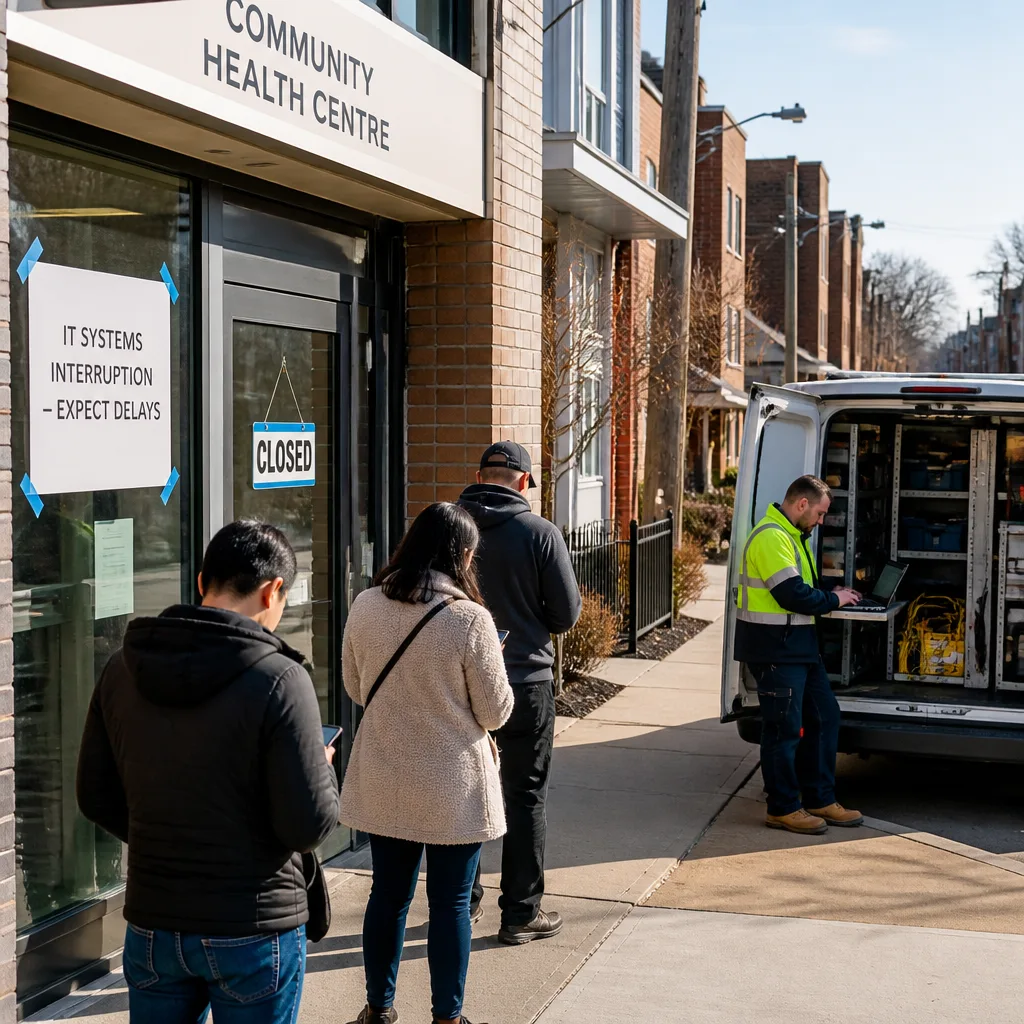
In emailed comments to Axios, Fenway Health described the event as an “interruption to IT systems” after the health centre announced the closure of a sexual health clinic on Friday. The organisation did not confirm whether patient information or other sensitive data were accessed.
Scope and immediate impacts
Details remain limited. Fenway Health has not answered questions about when the issue was first detected, how many days it lasted or the full extent of its effect on appointments, MyChart correspondence and other services. The hospital system also did not confirm whether any patient data were compromised.
The incident follows other recent cyber disruptions in the U.S., including closures at Springfield Public Schools and part of Everett City Hall earlier the same week. Those events form part of a string of public-sector IT interruptions that have raised concerns about the resilience of critical services.
- Impacted population: more than 30,000 patients served by Fenway Health
- Service disruptions: delayed MyChart messages, callbacks and closure of a sexual health clinic reported
- Response: Fenway says it has engaged external IT experts and has taken steps to limit impacts to patient care
Why the uncertainty matters
When health centres experience IT interruptions, patients can face immediate obstacles to care: delayed test results, postponed appointments, and reduced access to electronic messaging platforms used to coordinate follow-up and prescriptions. For communities that rely heavily on a single provider — including marginalised groups and patients requiring sexual health services — such interruptions can have outsized consequences.
Cyber incidents at medical institutions also raise questions about the security of electronic medical records and the potential for privacy breaches. Fenway Health has not said whether any records were accessed or altered, leaving patients and advocacy groups without clear information about possible risks to their personal health data.
| Item | Status reported by Fenway |
|---|---|
| Notice on website | Posted then removed; initially said IT incident ongoing |
| Patient messaging (MyChart) | Delays expected |
| Sexual health clinic | Closed on Friday |
| Confirmation of cyberattack | Fenway declined to confirm |
In its public statements, Fenway emphasised steps to protect patient care while it investigates and remediates the disruption. The organisation's silence on several operational and security questions, however, mirrors a common pattern seen during and after institutional IT incidents: early notices accompanied by sparse technical detail.
Looking ahead
Fenway Health's experience underscores ongoing concerns about the vulnerability of health-care infrastructure to technical failures and malicious cyber activity. Patients and the public will be watching for further information about the cause of the interruption, the duration of service impacts and whether any personal health information was affected.
For now, Fenway's statement that it is working with outside IT specialists signals a priority to restore services. The broader public-health implication is the need for transparent communication from health providers when IT incidents threaten access to care or patient privacy.
Reporting note: The institution provided limited information in its emailed statement; further queries about detection timing, operational effects and data compromise remain unanswered.